


 Downloader
 Free FTP
5 Ways to Lower Cholesterol Without Medication
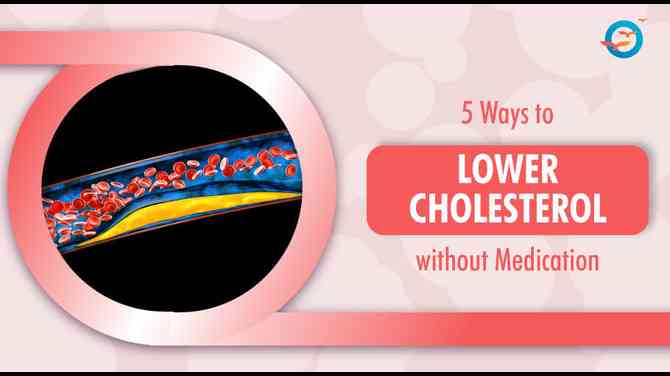
5 Ways to Lower Cholesterol Without Medication
Introduction to Cholesterol
Cholesterol is a waxy, fat-like substance produced by the body that plays an essential role in maintaining overall health. It helps in building cell membranes, producing hormones, and supporting Vitamin D synthesis. Although cholesterol is necessary, excess levels can be harmful and lead to serious health conditions.
There are two main types of cholesterol: High Density Lipoprotein (HDL) and Low Density Lipoprotein (LDL). HDL is often referred to as good cholesterol because it helps transport excess cholesterol to the liver, where it is processed and removed from the body. LDL, on the other hand, is known as bad cholesterol because it can accumulate in the arteries and form plaque, leading to narrowing of blood vessels and increased risk of heart disease and stroke.
Understanding the Role of Cholesterol in the Body
Cholesterol is naturally produced by the liver and is necessary for normal body functioning. However, when lifestyle habits such as poor diet, lack of exercise, and unhealthy routines come into play, cholesterol levels can rise beyond normal limits.
High cholesterol often does not show obvious symptoms in the early stages, which makes it important to monitor regularly. If left unmanaged, it can silently contribute to cardiovascular diseases over time.
Natural Ways to Lower Cholesterol
Improve Your Diet
Diet is one of the most important factors influencing cholesterol levels. Foods high in saturated fats, trans fats, sugar, and processed ingredients contribute significantly to increased LDL cholesterol.
Reducing intake of fried foods, packaged snacks, sweets, refined oils, dairy products, and fast food can help improve cholesterol balance. Instead, focus on a diet rich in fruits, vegetables, whole grains, legumes, and plant-based foods. These foods support heart health and help the body maintain optimal cholesterol levels.
Engage in Regular Exercise
Physical activity plays a key role in maintaining healthy cholesterol levels. Regular exercise helps lower LDL cholesterol while increasing HDL cholesterol, which is beneficial for heart health.
A combination of aerobic exercises such as walking, jogging, swimming, or cycling along with strength training and flexibility exercises like yoga can provide comprehensive benefits. Consistency is more important than intensity, and even moderate daily activity can make a noticeable difference over time.
Maintain a Healthy Body Weight
Excess body weight is closely linked with higher cholesterol levels. When the body carries extra fat, it tends to produce more cholesterol and triglycerides, which can negatively affect heart health.
Losing even a small percentage of body weight can help improve cholesterol levels, reduce inflammation, and enhance insulin sensitivity. A balanced diet, portion control, and regular physical activity are essential for achieving and maintaining a healthy weight.
Include Cholesterol-Friendly Foods
Certain natural foods can help support cholesterol reduction.
Garlic is known for its heart-protective properties and may help reduce cholesterol levels when consumed regularly. Flax seeds are rich in omega 3 fatty acids, which help reduce inflammation and prevent cholesterol buildup in arteries. Soluble fiber found in fruits, vegetables, whole grains, and legumes helps reduce LDL cholesterol by improving digestion and binding excess cholesterol in the body.
Incorporating these foods into daily meals can contribute to better heart health and overall well-being.
Quit Smoking
Smoking has a negative impact on cholesterol levels and overall cardiovascular health. It increases LDL cholesterol while lowering HDL cholesterol, making it more difficult for the body to maintain a healthy balance.
In addition, smoking damages blood vessels and increases the risk of heart disease and stroke. Quitting smoking can improve HDL levels, enhance blood vessel function, and significantly reduce health risks within a short period of time.
Conclusion
Cholesterol is essential for the body, but maintaining a balance between good and bad cholesterol is important for long term health. Unhealthy lifestyle habits such as poor diet, lack of exercise, smoking, and excess weight can contribute to high cholesterol levels.
By adopting healthier eating habits, staying physically active, maintaining a healthy weight, including beneficial foods, and avoiding smoking, it is possible to manage cholesterol naturally without relying solely on medication.
To Read More

 English
 Arabic
 French
 Spanish
 Portuguese
 Deutsch
 Turkish
 Dutch
Dutch
 Italiano
 Russian
 Romaian
 Greek
Greek
