


 Downloader
 Free FTP
Is Coconut milk safe for sugar patients?
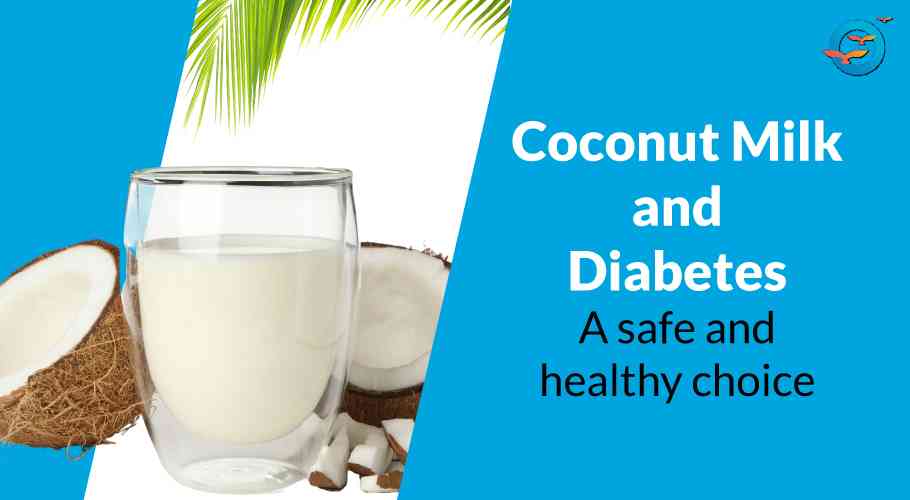
Is Coconut Milk Good for Diabetes Patients?
With diabetes becoming increasingly common across the world, especially in India, people are now more conscious about what they eat and drink daily. Managing blood sugar levels is not only about avoiding sugar but also about choosing the right kind of fats, proteins, and carbohydrates. As more individuals shift towards plant-based and dairy-free alternatives, coconut milk has gained popularity. This naturally creamy liquid is often seen as a healthier option, but many diabetics wonder whether coconut milk is truly safe for blood sugar control.
Coconut milk is extracted from the white flesh of mature coconuts. The flesh is grated, blended with water, and then strained to obtain a rich, smooth liquid. It is widely used in Southeast Asian, South Indian, and Caribbean cuisines, where it adds depth and flavor to curries, soups, gravies, desserts, and beverages. Coconut milk is available in both fresh and packaged forms, as well as in light and full-fat varieties, making it suitable for different dietary needs.
Nutritional Profile of Coconut Milk
Coconut milk is naturally rich in healthy fats, particularly medium-chain triglycerides, also known as MCTs. These fats are metabolized differently from long-chain fats and are quickly used by the body as a source of energy. This makes coconut milk more satisfying and less likely to contribute to fat storage when consumed in moderation.
In addition to healthy fats, coconut milk contains essential vitamins and minerals. It is a good source of vitamin E, a powerful antioxidant that helps protect the body from oxidative stress. Coconut milk also provides minerals such as calcium, magnesium, potassium, and iron, which support bone health, muscle function, and overall metabolic balance. Because it is lactose-free, coconut milk is a suitable option for people who are lactose intolerant or prefer vegan alternatives.
Coconut Milk and Blood Sugar Control
One of the main reasons coconut milk is considered suitable for diabetics is its low carbohydrate content. Unlike regular dairy milk or sweetened plant-based milks, coconut milk does not cause rapid spikes in blood sugar levels when consumed in its unsweetened form. Its low glycemic index means that glucose is released slowly into the bloodstream, helping maintain stable blood sugar levels.
Coconut milk also does not contain insulin-like growth factor, which can affect insulin sensitivity. This makes it a safer choice for people with diabetes who are trying to avoid ingredients that may interfere with insulin function. The presence of healthy fats further helps slow digestion and absorption of carbohydrates from meals, which supports better post-meal blood sugar control.
Role of MCTs in Diabetes Management
The medium-chain triglycerides found in coconut milk play a supportive role in diabetes management. MCTs are quickly absorbed and converted into energy rather than being stored as fat. This can help improve energy levels and may support better insulin sensitivity over time.
Healthy fats also promote a feeling of fullness, which helps reduce frequent hunger and unnecessary snacking. Better appetite control supports weight management, which is a crucial factor in managing type 2 diabetes. Maintaining a healthy weight can significantly improve blood sugar levels and reduce dependency on medication.
Fresh Coconut Milk Versus Packaged Coconut Milk
Fresh coconut milk is generally considered the healthiest option. It is prepared directly from mature coconuts and does not contain preservatives, stabilizers, or artificial additives. Fresh coconut milk retains its natural nutrients and has a richer taste and texture.
Packaged coconut milk, on the other hand, is more convenient but requires careful selection. Many store-bought varieties contain emulsifiers, preservatives, and sometimes added sugars to improve shelf life and consistency. These added ingredients can reduce the health benefits of coconut milk and may negatively affect blood sugar levels. When choosing packaged coconut milk, it is important to read the ingredient label and select unsweetened versions with minimal additives.
How Much Coconut Milk Is Safe for Diabetics?
Moderation is essential when including coconut milk in a diabetic diet. Coconut milk is calorie-dense and high in fat, so portion control is important. A daily intake of about one-fourth to half a cup is generally considered safe for most people with diabetes, depending on individual calorie needs and blood sugar response.
Lighter or thinner coconut milk is often a better choice for regular use, as it contains more water and fewer calories compared to thick, full-fat versions. Thinner coconut milk can still add creaminess and flavor to dishes without contributing excessive saturated fat.
Best Ways to Include Coconut Milk in a Diabetic Diet
Coconut milk can be used in moderation in curries, vegetable gravies, soups, and smoothies. It pairs well with fiber-rich vegetables and proteins, which further helps stabilize blood sugar levels. Using coconut milk as an occasional replacement for dairy milk in recipes can add variety and taste while keeping meals diabetes-friendly.
It is always advisable to avoid sweetened coconut milk beverages and flavored versions, as these often contain added sugars that can cause blood sugar spikes.
Is Coconut Milk a Good Vegan Option for Diabetics?
Coconut milk is completely plant-based and fits well into a vegan or dairy-free lifestyle. For diabetics who avoid animal products, coconut milk offers a nutritious alternative that provides healthy fats and essential nutrients without lactose or cholesterol. When consumed mindfully, it can be part of a balanced diabetes-friendly diet.
FAQs About Coconut Milk and Diabetes
Coconut milk is generally safe for diabetics when consumed in moderation and in its unsweetened form. It is low in carbohydrates and has a low glycemic index.
Coconut milk does not significantly raise blood sugar levels when taken in controlled portions.
Diabetics can drink coconut milk, but portion size and product quality are important factors.
Coconut milk supports satiety, heart health, and energy levels due to its healthy fat content.
Excess consumption may lead to weight gain or increased cholesterol, so moderation is key.
To read more about this, visit our blog.
https://www.freedomfromdiabetes.org/blog/post/coconut-milk-and-diabetes/4262

 English
 Arabic
 Spanish
 Portuguese
 Deutsch
 Turkish
 Dutch
Dutch
 Italiano
 Russian
 Romaian
 Portuguese (Brazil)
 Greek
Greek
