


 Downloader
 Free FTP
Intermittent Fasting and Type 2 Diabetes: Simple Guide to Benefits and Risks
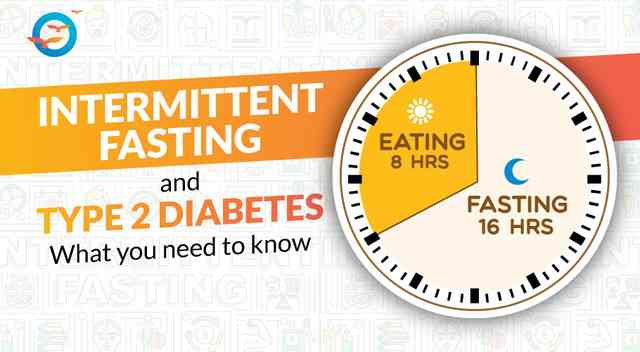
Intermittent Fasting and Type 2 Diabetes: Simple Guide to Benefits and Risks
Intermittent fasting (IF) has become a popular way to manage weight and improve health. For people with type 2 diabetes, it may offer extra benefits—but there are also some risks to be aware of.
What is Intermittent Fasting?
Intermittent fasting means eating during specific hours and fasting (not eating) the rest of the time. Common methods include:
-
16:8 – Fast for 16 hours, eat within 8 hours
-
12:12 – Fast for 12 hours, eat within 12 hours
-
15:9 – Fast for 15 hours, eat within 9 hours
-
5:2 – Eat normally 5 days a week, eat fewer calories on 2 days
-
Alternate-day fasting – Fast every other day
Benefits of Intermittent Fasting for Type 2 Diabetes
1. Helps with Weight Loss
Fasting helps reduce calorie intake and may support fat burning. Over time, this can help manage weight better.
2. Improves Insulin Sensitivity
Fasting gives your body a break from insulin. This can help your cells use insulin more effectively, leading to better blood sugar control.
3. Lowers Inflammation
Fasting may reduce harmful inflammation, which is linked to diabetes and other health problems. It can also support healthy gut bacteria and cell repair.
Risks and Things to Keep in Mind
1. Low Blood Sugar (Hypoglycemia)
If you take insulin or certain diabetes medications, fasting can cause your blood sugar to drop too low. That can be dangerous.
2. Lack of Nutrients
Skipping meals or eating in short windows may lead to poor nutrition if you're not careful.
3. Medication Timing Issues
Fasting can affect how and when you take your medicines. Always speak to your doctor before making changes.
Tips for Safe Fasting with Type 2 Diabetes
-
Talk to Your Doctor first before starting intermittent fasting
-
Track Your Blood Sugar closely to spot any drops
-
Stay Hydrated by drinking water during fasting hours
-
Choose Healthy Foods when you eat—focus on whole, nutrient-rich meals
Final Thought
Once you find a fasting schedule that fits your life and supports your health, stick with it. Staying consistent helps your body adjust. Make sure it’s realistic, comfortable, and doctor-approved.
Conclusion
Intermittent fasting can be helpful for managing type 2 diabetes—especially for weight loss and better blood sugar control. But it’s not for everyone. Make sure to start slowly, be mindful of risks, and always get advice from your doctor or a registered dietitian before starting.
To read more about this, visit our blog.

 Arabic
 French
 Spanish
 Portuguese
 Deutsch
 Turkish
 Dutch
Dutch
 Italiano
 Russian
 Romaian
 Portuguese (Brazil)
 Greek
Greek
