


 Downloader
 Free FTP
The Invisible Shield in the OR: How Patient Positioning Gel Pads Keep Surgeries Safe
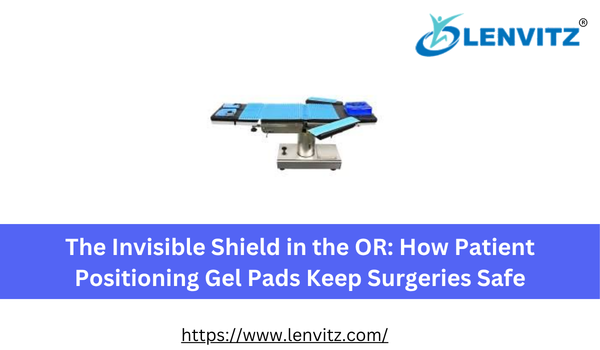
When we think about what makes a surgery successful, our minds naturally go to the surgeon's skill, the advanced robotic tools, or the high-tech monitoring screens. But there is a silent, unsung hero in the operating room that plays a massive role in a patient's recovery long after the anesthesia wears off: specialized medical gel cushions.
If you or a loved one are preparing for an upcoming procedure, you might wonder how hospitals keep patients safe and comfortable while they are completely still for hours. The secret lies in advanced materials designed to protect the body when it cannot protect itself.
Why Operating Room Comfort is More Than Skin Deep
When a patient is under anesthesia, their body loses its natural ability to shift, roll, or react to discomfort. Lying flat on a hard surface for an extended period creates intense pressure on specific bony parts of the body, such as the heels, hips, and head. Without the right support, this pressure can restrict blood flow, leading to painful complications known as pressure ulcers or bedsores.
To prevent this, modern hospitals rely heavily on patient positioning gel pads. These aren't your typical everyday cushions; they are highly engineered medical devices designed to mimic the texture of human skin and fat, distributing body weight evenly across the surface.
The Role of an OT Table Positioning Gel Pads
The operating theater (OT) environment requires absolute precision. An ot table positioning gel pads setup is meticulously arranged by the surgical team before the patient even enters the room. Because different surgeries require different body postures—whether lying on the stomach, side, or back—these specialized gel pads are molded into various shapes to support the spine, arms, and legs perfectly. By absorbing the patient's weight and reducing friction, they ensure that the nervous and circulatory systems remain entirely uncompromised throughout the procedure.
The Science of Softness: Silicon Gel Pads
Among the various materials used in the medical field, silicon gel pads stand out as the gold standard for skin protection. Silicon possesses a unique combination of flexibility, durability, and biocompatibility.
Why Surgeons Prefer Silicon Support
-
Pressure Distribution: It naturally flows and shifts to contour perfectly to the patient’s unique anatomy, neutralizing high-pressure hotspots.
-
Shear Reduction: When a patient is subtly shifted during surgery, friction can tear delicate skin layers. Silicon significantly minimizes this "shear" force.
-
Temperature Regulation: It helps maintain a stable temperature, preventing the skin from overheating and sweating, which weakens the skin barrier.
What This Means for Your Recovery
For the general public, understanding the role of patient positioning gel pads offers incredible peace of mind. It shows that patient care extends far beyond the incision itself. Safe positioning ensures that you won't wake up with unnecessary nerve pain, deep muscle soreness, or skin breakdown.
The next time you or a family member prepares for a hospital procedure, you can rest easy knowing that beneath the sterile drapes, a sophisticated network of gel pads is working around the clock to keep you safe, supported, and protected.

 English
 Arabic
 French
 Spanish
 Deutsch
 Turkish
 Dutch
Dutch
 Italiano
 Russian
 Romaian
 Portuguese (Brazil)
 Greek
Greek
