


 Downloader
 Free FTP
Poha vs Dhokla for Breakfast: Which One Supports Better Health, Weight Loss, and Diabetes Control?
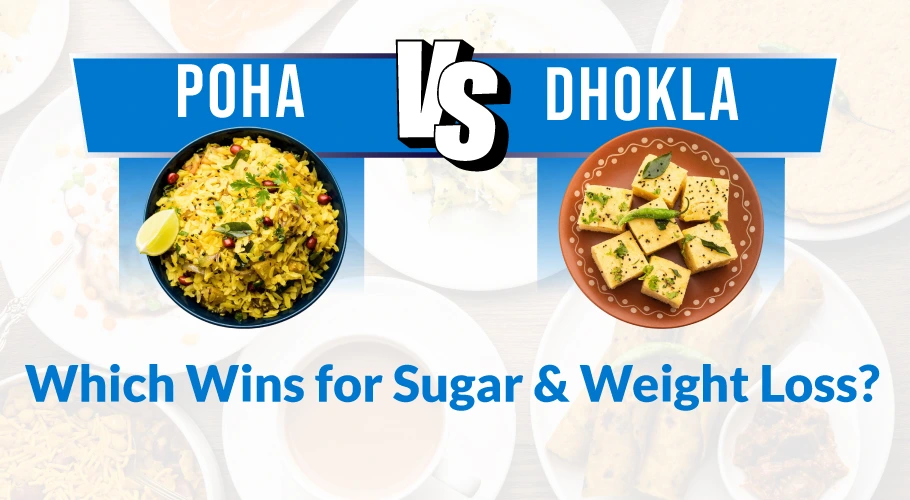
Poha vs Dhokla for Breakfast: Which One Supports Better Health, Weight Loss, and Diabetes Control?
Choosing what to eat in the morning can feel confusing, especially when you’re trying to manage weight or blood sugar levels. Two common Indian breakfast choices—poha and dhokla—often come up in this discussion. Both are light, tasty, and easy to prepare. But when it comes to health goals, they don’t affect your body in the same way.
Let’s take a closer look at poha vs dhokla for breakfast and understand which one may work better for you.
What Do You Usually Eat? A Quick Look at Both
Poha: Simple and Comforting
Poha is made from flattened rice. It’s typically cooked with mustard seeds, onions, turmeric, curry leaves, and sometimes peanuts or potatoes. It’s quick to prepare and easy to digest, which is why many people prefer it on busy mornings.
For example, if you’re running late for work, a quick bowl of poha feels like a safe and filling option.
Dhokla: Light but Nutrient-Rich
Dhokla is made using fermented gram flour (besan) or a mix of lentils. It is steamed, not fried, which keeps it light. The fermentation process also improves digestion and nutrient absorption.
A plate of homemade dhokla, especially without added sugar, can be a great start to the day if you want something light but sustaining.
Nutritional Comparison: Poha vs Dhokla
Here’s how they differ when you look at basic nutrition per 100 grams:
|
Nutrient |
Poha |
Dhokla |
|
Calories |
110–130 kcal |
140–150 kcal |
|
Carbohydrates |
19–23 g |
18–25 g |
|
Protein |
2.4–4 g |
7–12 g |
|
Fiber |
0.9–3.4 g |
2–4 g |
|
Fat |
1–3 g |
1–2 g |
|
Glycemic Index |
~60 |
~31–40 |
While dhokla may have slightly more calories, it contains much more protein and fiber. This combination helps you feel full longer and keeps energy levels stable.
Poha vs Dhokla for Diabetes
If blood sugar control is your priority, dhokla has a clear edge.
Dhokla has a lower glycemic index, which means it releases glucose slowly into the bloodstream. This helps avoid sudden spikes and crashes in blood sugar levels.
Poha, on the other hand, has a moderate glycemic index. It digests faster and may lead to a quicker rise in blood sugar, especially if eaten alone without protein or fiber.
For instance, eating plain poha may leave you feeling hungry again within a short time, while dhokla keeps you satisfied for longer.
Poha vs Dhokla for Weight Loss
When comparing poha vs dhokla for weight loss, dhokla again tends to perform better.
Here’s why:
-
Higher protein helps control hunger
-
More fiber supports digestion and fullness
-
Fermentation improves gut health
All these factors can reduce unnecessary snacking during the day.
That said, poha is not unhealthy. It just needs a few smart tweaks. Adding vegetables, sprouts, or a squeeze of lemon can improve its fiber content and reduce its impact on blood sugar.
Digestion and Satiety: What Keeps You Full?
Poha is soft and easy on the stomach. It’s a good option when you want something light, especially if you’re not feeling very hungry.
Dhokla, however, offers better satiety. Because it contains more protein and fiber, it keeps you full for a longer time. This can help avoid mid-morning cravings.
Think of it this way—poha fills your stomach quickly, but dhokla keeps it satisfied longer.
Which One Is the Better Breakfast Choice?
When comparing poha vs dhokla for breakfast, the answer depends on your goals.
Choose dhokla if you:
-
Want better blood sugar control
-
Are trying to lose weight
-
Need a filling breakfast that lasts longer
Choose poha if you:
-
Want something light and easy to digest
-
Need a quick meal option
-
Prefer a milder taste
Both can be part of a healthy diet when prepared mindfully.
Tips to Make Both Healthier
Make Poha Better:
-
Add vegetables like peas, carrots, or capsicum
-
Include sprouts or peanuts for protein
-
Avoid adding sev or excess potatoes
Make Dhokla Better:
-
Prepare it at home to avoid added sugar
-
Use minimal oil for tempering
-
Pair it with green chutney instead of sweet sauces
Small changes in preparation can make a big difference.
Final Thoughts
The debate around poha vs dhokla for breakfast doesn’t have a one-size-fits-all answer. But if you’re focused on managing diabetes or losing weight, dhokla usually offers more benefits due to its lower glycemic index, higher protein, and better satiety.
Still, poha can be enjoyed occasionally, especially when balanced with fiber-rich ingredients. The key is not just what you eat, but how you prepare and portion it.
If you’re trying to build a sustainable routine, variety and balance matter more than strict rules.
👉 To explore this topic in more detail visit our blog poha vs dhokla for breakfast for diabetes.

 English
 French
 Spanish
 Portuguese
 Deutsch
 Turkish
 Dutch
Dutch
 Italiano
 Russian
 Romaian
 Portuguese (Brazil)
 Greek
Greek
