


 Downloader
 Free FTP
What Is a D1 Minibus Licence & Who Needs It?
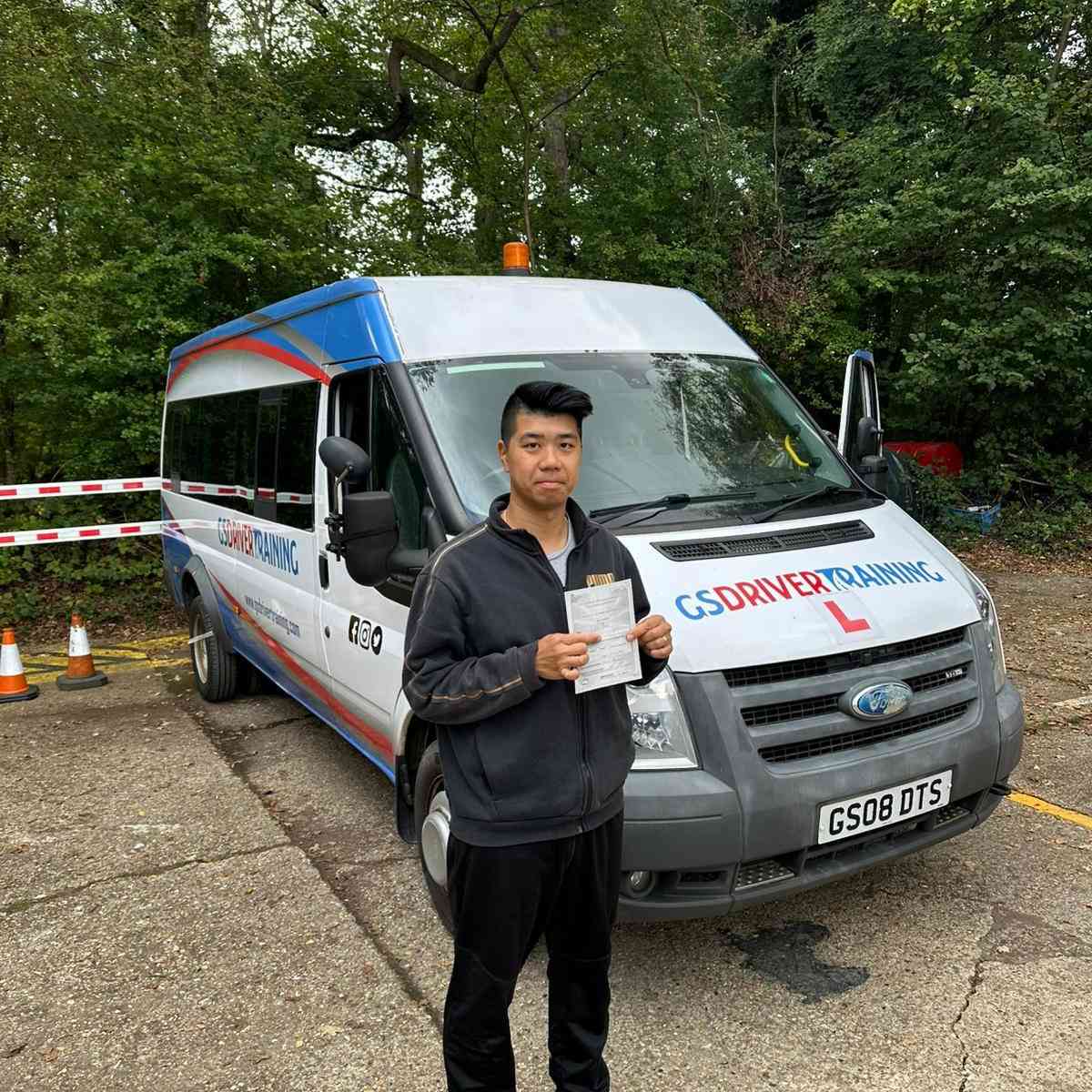
Driving a minibus in the UK is different from driving a standard car. If you plan to transport multiple passengers for work, school, community services, or private purposes, you may need a D1 minibus licence. Many people are unsure whether they qualify to drive a minibus or if additional training is required.
A D1 licence allows drivers to legally operate certain minibuses while following UK road regulations. Whether you want to become a professional driver or need a minibus for an organisation, understanding the D1 licence is important.
In this guide, we will explain what a D1 minibus licence is, who needs it, eligibility requirements, benefits, and how to get one.
What Is a D1 Minibus Licence?
A D1 minibus licence is a driving licence category that allows drivers to operate a minibus with:
- Up to 16 passenger seats
- A maximum vehicle length of 8 metres
- The option to tow a small trailer within legal limits
This licence is designed for drivers who need to carry more passengers than a regular car can accommodate.
A standard car licence (Category B) may not always allow you to legally drive a minibus, especially for business or commercial purposes. In many situations, a D1 entitlement is required.
What Vehicles Can You Drive with a D1 Licence?
A D1 licence allows drivers to operate different types of minibuses commonly used for transporting groups of people.
These may include:
- School minibuses
- Community transport vehicles
- Care home minibuses
- Airport shuttle minibuses
- Private hire passenger vehicles
- Charity or volunteer transport minibuses
The D1 category is ideal for anyone who regularly drives vehicles carrying larger groups of passengers.
Who Needs a D1 Minibus Licence?
Not everyone requires a D1 licence. However, many people must have one depending on the purpose of driving and vehicle type.
1. School and College Drivers
Schools and educational institutions often use minibuses to transport students for trips, sports events, and daily travel.
Drivers transporting students usually require D1 entitlement.
2. Care Home and Healthcare Workers
Care homes, healthcare centres, and disability support organisations frequently use minibuses to transport residents and patients.
A D1 licence helps ensure safe passenger transport.
3. Charity and Community Transport Drivers
Volunteers and charity organisations often provide transport services for elderly people, disabled individuals, or local communities.
Depending on vehicle use, a D1 licence may be necessary.
4. Professional Minibus Drivers
If driving a minibus is part of your job, such as:
- Hotel shuttle services
- Airport transfers
- Passenger transport services
- Tour operations
You will usually need proper D1 licensing and additional qualifications.
5. Sports Clubs and Group Organisations
Sports teams, clubs, and youth organisations often use minibuses for events and travel. Drivers may require D1 entitlement to transport passengers legally.
You Can Also Read : D1 vs PCV Licence: What Is the Difference?
Do You Automatically Have a D1 Licence?
This depends on when you passed your UK driving test.
Some older licence holders may already have D1 entitlement included automatically, often referred to as “grandfather rights.”
However, many newer drivers will need to complete specific training and testing to gain a D1 licence.
It is always important to check your driving licence categories before operating a minibus.
What Are the Requirements for a D1 Minibus Licence?
To apply for a D1 licence, drivers usually need to meet certain eligibility requirements.
Common requirements include:
- Holding a valid UK driving licence
- Meeting minimum age requirements
- Passing a medical examination if required
- Completing theory and practical driving tests
- Meeting legal driving standards
Professional training schools often guide learners through the full process.
What Is Included in D1 Minibus Training?
D1 training helps drivers develop the skills needed to transport passengers safely and confidently.
Training commonly includes:
Vehicle Safety Checks
Drivers learn how to inspect minibuses before journeys to ensure passenger safety.
Passenger Awareness
Minibus driving requires extra care because passengers are onboard. Drivers learn how to manage passenger comfort and safety.
Driving Larger Vehicles
Minibuses are larger than standard cars and require different handling techniques.
Training covers:
- Turning and manoeuvring
- Parking
- Braking safely
- Driving in traffic
- Reversing
Road Safety Training
Drivers learn how to safely transport groups of passengers under different road conditions.
Practical Driving Experience
Hands-on lessons help learners build confidence behind the wheel.
Benefits of Getting a D1 Minibus Licence
A D1 licence offers several personal and professional advantages.
More Job Opportunities
Many employers look for qualified D1 drivers in:
- Schools
- Care services
- Logistics
- Community transport
- Hospitality sectors
Improved Driving Skills
Training helps drivers become safer and more confident when handling larger vehicles.
Legal Compliance
Holding the correct licence ensures you drive minibuses legally and avoid penalties.
Better Passenger Safety
Professional training improves awareness of passenger transport responsibilities.
Career Growth
A D1 licence can open doors to transport and driving-related careers.
Also Read : Everything You Need to Know About the D1 Minibus Licence
Common Challenges for First-Time Minibus Drivers
Driving a minibus for the first time can feel challenging.
Some common difficulties include:
Vehicle Size
Minibuses are larger and wider than regular cars.
Passenger Responsibility
Drivers must focus on both road safety and passenger comfort.
Turning and Parking
Larger vehicles require more space when manoeuvring.
Confidence on Busy Roads
New drivers may need time to adjust to handling bigger passenger vehicles.
Professional training helps reduce these challenges.
Tips for Safe Minibus Driving
Here are a few useful safety tips:
- Always check mirrors frequently
- Leave extra stopping distance
- Avoid sudden braking
- Perform regular vehicle safety checks
- Drive carefully around passengers
- Follow passenger weight and seating limits
Safe driving protects both passengers and other road users.
How to Get a D1 Minibus Licence
The process of getting a D1 licence is straightforward when you train with professionals.
The usual steps include:
- Check eligibility requirements
- Apply for provisional D1 entitlement
- Complete a medical assessment if needed
- Pass theory and hazard perception tests
- Take practical D1 driving training
- Pass the practical driving test
Professional instructors can help make the process smoother and easier.
Why Choose Professional D1 Training?
Choosing a trusted training provider helps drivers gain practical experience and confidence.
Professional D1 training offers:
- Experienced instructors
- Modern training vehicles
- Flexible course schedules
- Practical minibus driving experience
- Guidance throughout the licence process
Good training ensures drivers are fully prepared for safe and responsible passenger transport.
Why Choose GS Driver Training for D1 Minibus Training in Surrey
Choosing the right training provider is important when applying for a D1 minibus licence. GS Driver Training offers professional and practical D1 minibus training in Surrey, helping learners gain the confidence and skills needed to drive minibuses safely and legally. Their experienced instructors provide hands-on training tailored to both beginners and experienced drivers.
Why choose GS Driver Training?
- Experienced and professional D1 instructors
- Practical minibus driving lessons
- Flexible training schedules to suit your availability
- Supportive guidance throughout the licence process
- Focus on safe passenger transport and road confidence
- High-quality training vehicles for real driving experience
With expert instruction and practical learning, GS Driver Training helps drivers become confident, skilled, and fully prepared for D1 minibus driving in Surrey.
Final Thoughts
A D1 minibus licence is essential for many drivers who transport groups of passengers in the UK. Whether you work for a school, charity, care home, or transport business, having the correct licence ensures legal compliance and passenger safety.
With professional training, drivers can gain confidence, improve road skills, and open up new career opportunities. If you regularly drive or plan to drive a minibus, investing in a D1 licence is a smart step toward becoming a safer and more skilled driver.

 English
 French
 Spanish
 Portuguese
 Deutsch
 Turkish
 Dutch
Dutch
 Italiano
 Russian
 Romaian
 Portuguese (Brazil)
 Greek
Greek
