


 Downloader
 Free FTP
Snoring and Sleep Apnea: Diagnosis and Treatment Options
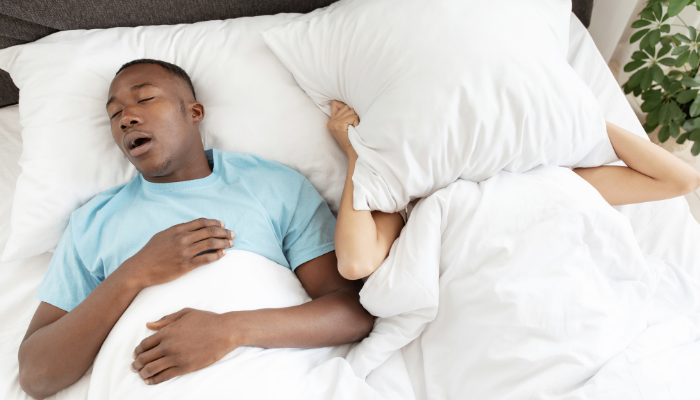
Snoring can be more than a nighttime annoyance; it may indicate an early warning signal of a serious disorder: Sleep Apnea. If either you or your partner suffers from loud disruptive snores, understanding the distinction between routine snoring episodes and riskier situations is important. In this complete guide, we will examine the connections between snoring and sleep apnea to include ways to identify them and what can be done to give you and your partner the benefit of restful restorative sleep.
What is Snoring and Sleep Apnea?
Snoring is a loud breathing pattern that happens when the areas in the back of the throat vibrate while you sleep. Snoring is very common in adults, especially if you are a man and/or overweight. While occasional snoring is usually not dangerous, and when it is loud or occurs frequently, it might be a sign of sleep apnea - which is when an individual stops breathing for brief periods of time while sleeping.
Sleep apnea is a sleep disorder that causes your body to not receive sufficient oxygen throughout the night. There are two specific types of sleep apnea:
- Obstructive Sleep Apnea (OSA): Airflow is obstructed by your relaxed throat muscles.
- Central Sleep Apnea (CSA): Your brain does not provide the proper signals to control breathing.
Both types of sleep apnea will disrupt you getting a full night of sleep and can leave you feeling sleepy during the day, and you could be at risk of developing severe health problems, including high blood pressure, heart disease, and type 2 diabetes.
Symptoms to Watch For
Many people who snore do not have sleep apnea; however, there are symptoms that could signify a potential issue with your breathing during sleep.
- Snoring so loudly that it disrupts another person's sleep
- Having pauses in your breathing when you sleep, and then choking on your own breath
- Having shallow or irregular breathing while you sleep
- Experiencing excessive fatigue or sleepiness during the day
- Being restless at night
If you have any of these symptoms, you may want to seek a professional evaluation to determine if you have either snoring or sleep apnea.
Modern Diagnosis Options
Traditionally, sleep apnea required overnight monitoring in a hospital or sleep lab. However, innovations have made diagnosis easier, more convenient, and non-intrusive.
1. Snoring Test at Home
With advances in technology, you can now perform a snoring test at home to detect patterns and potential sleep apnea. These tests monitor your breathing, oxygen levels, and snoring intensity, providing valuable insights without the need for hospital visits.
2. AI Face Scanner for Sleep Apnea
BreatheNest offers a cutting-edge AI face scanner for sleep apnea, a non-invasive solution that evaluates your facial and airway structure to predict sleep apnea risk. This innovative tool uses artificial intelligence to analyze your facial features, jawline, and airway, offering a fast and accurate assessment from the comfort of your home.
3. Sleep Apnea Test Without Hospital Visit
Individuals looking for a convenient and private solution for conducting a sleep apnea test can do so without having to go to a hospital. Comprehensive home sleep studies use devices that both monitor your sleep patterns, oxygen levels and interruptions in breathing. This information will provide reliable results to assist your physician in developing the appropriate treatment plan.
Treatment Options
Once a proper snoring and sleep apnea diagnosis is confirmed, treatment can begin. Effective management often combines lifestyle changes, medical devices, and therapy.
1. Lifestyle Modifications
- Maintaining a healthy weight to reduce pressure on the airway
- Avoiding alcohol and sedatives before bedtime
- Sleeping on your side instead of your back
- Practicing regular exercise to strengthen respiratory muscles
2. Breathing Devices
The most often suggested form of treatment for moderate and severe obstructive sleep apneic patients is CPAP (Continuous Positive Airway Pressure) therapy. This form of therapy will supply a constant flow of air to keep your airway open while you sleep. Companies like BreatheNest provide CPAP devices designed for home use that provide comfort, convenience and effective treatment.
3. Oral Appliances
Mandibular Advancement Devices or Mouthpieces help reposition your tongue and jaw so that your airway remains open at night, making them a helpful alternative for people with mild to moderate obstructive sleep apnea who don’t want to sleep with a CPAP machine.
4. Facial and Oral Muscle Therapy
There are certain types of targeted exercises that can help improve the stability of the airway and prevent snoring; these include mouth/tongue/facial muscle exercises. They are an additional type of treatment that can help enhance sleep quality.
5. Medical Consultation and Monitoring
It is important to track progress with regular follow-ups and appraisals to ensure that your treatment/therapies are working properly. There are now several tools available that allow you to easily monitor your sleep patterns, including AI face scanning devices and home tests.
Why Early Diagnosis Matters
When left untreated, the long-term effects of sleep apnea can be debilitating including chronic fatigue, impaired cognitive ability to focus on tasks at hand, gaining unwanted body weight, and importantly cardiovascular disease. With early detection through home sleep tests or using advanced artificial intelligence tools for diagnosis and treatment of sleep problems you will reduce health risks and improve your overall quality of life.
BreatheNest combines technology and personal attention to give you access to the diagnosis and treatment of snoring and sleep apnea in a manner that is easy to use, convenient, and efficient. Whether you choose to use home sleep apnea testing, AI image scanning of your face, or CPAP therapy for treatment, the most important thing is that you take action immediately.
Take the First Step Towards Better Sleep
Your sleep is essential for your health, mood, and energy. Don’t let snoring or sleep apnea compromise your life. With BreatheNest, you can undergo a sleep apnea test without hospital visit, monitor your snoring at home, and access effective treatment options all tailored to your needs.
Book your appointment with BreatheNest today and reclaim restful, uninterrupted sleep!

 English
 Arabic
 French
 Spanish
 Portuguese
 Deutsch
 Turkish
 Italiano
 Russian
 Romaian
 Portuguese (Brazil)
 Greek
Greek
