


 Downloader
 Free FTP
Promote Your Product
Got a product, service, or story to share? Promote it directly to our active community and boost your brand today.
Create an Ad
Publish Bulk Blog Posts
Boost Your Reach! 📝
Have articles, guest posts, or bulk stories to publish? Send your content directly to our editorial team and feature on our platform.
Email Us Your PostsHow to Reverse Hypothyroidism Naturally?
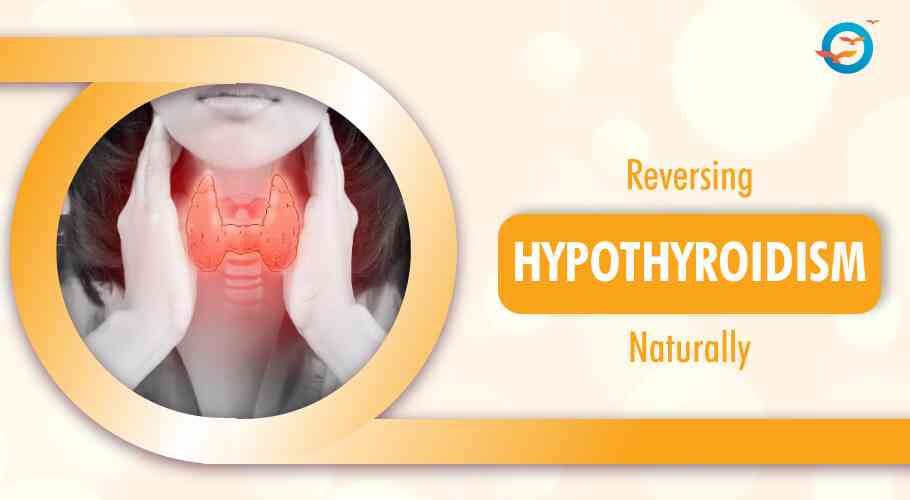
How to Reverse Hypothyroidism Naturally?
Hypothyroidism is a condition in which the thyroid gland does not produce enough hormones to regulate the body’s metabolism efficiently. Since the thyroid plays a crucial role in controlling energy levels, heart rate, digestion, and overall bodily functions, any imbalance can significantly affect health. Understanding how the thyroid works and what causes its dysfunction is the first step toward managing and improving this condition naturally.
Understanding the Thyroid and Its Function
The thyroid gland is a small, butterfly-shaped organ located in the neck, just around the windpipe. Despite its size, it has a major impact on the body’s metabolism. It produces two essential hormones:
-
Triiodothyronine (T3)
-
Thyroxine (T4)
These hormones regulate how quickly the body uses energy, how the heart functions, and how various organs perform their roles.
The thyroid itself is regulated by the pituitary gland, which is located at the base of the brain. The pituitary releases a hormone called thyroid-stimulating hormone (TSH), which signals the thyroid to produce T3 and T4 in the required amounts.
When the thyroid produces too many hormones, the condition is called hyperthyroidism. When it produces too little, it leads to hypothyroidism, which is commonly seen in women, especially those above the age of 40.
Causes of Hypothyroidism
Several factors can contribute to the development of hypothyroidism. The most common causes include:
Autoimmune Conditions
In autoimmune disorders such as Hashimoto’s thyroiditis, the immune system mistakenly attacks the thyroid gland. This reduces its ability to produce adequate hormones over time.
Nutritional Deficiencies
-
Zinc deficiency can interfere with the conversion of T4 into the active T3 hormone.
-
Iodine deficiency is another major cause, as iodine is essential for thyroid hormone production. While iodine is usually obtained through diet, deficiencies can still occur in certain regions or dietary patterns.
Medications
Some medications can affect thyroid hormone production or interfere with thyroid function. It is important to consult a doctor if you notice thyroid-related symptoms after starting new medication.
Common Symptoms of Hypothyroidism
Hypothyroidism symptoms may develop gradually and can sometimes be mistaken for other health issues. Common signs include:
-
Dizziness or vertigo
-
Fatigue and low energy levels
-
Unexplained weight gain
-
Constipation
-
Depression or low mood
-
Sensitivity to cold
-
Dry, brittle, or thinning hair
-
Weak or ridged nails
-
Puffiness in the face
-
Swelling in the feet, ankles, or legs
-
Low resting heart rate
Since these symptoms overlap with other conditions, proper medical diagnosis is essential before beginning any treatment.
Natural Approaches to Managing Hypothyroidism
While conventional treatment often involves hormone replacement therapy, several natural approaches can support thyroid health and help improve symptoms. These methods focus on lifestyle, diet, and holistic practices.
Herbal and Traditional Remedies
Certain Ayurvedic remedies have shown promising results in supporting thyroid function. For example:
-
Walnut oil massage applied around the neck area is believed to stimulate circulation and support thyroid health.
-
Herbal formulations such as Triphladya Guggulu and Punarnavadi Kashayam, made from ingredients like haritaki, amalaki, bibhitaki, punarnava root, ginger, and turmeric, have been studied for their potential benefits in thyroid regulation.
Diet and Nutrition for Thyroid Health
Diet plays a significant role in maintaining thyroid balance. A well-balanced diet can support hormone production and overall metabolism.
-
Consume at least five servings of fresh fruits and vegetables daily
-
Include whole grains, legumes, and adequate protein sources
-
Drink around 2 liters of water daily to support metabolic processes
-
Ensure sufficient intake of iodine-rich foods or iodized salt if needed
Avoiding processed and refined foods is equally important, as these can increase inflammation and disrupt hormonal balance.
Coriander Water as a Natural Support
Coriander (dhania) water is considered beneficial for detoxification and metabolic support. It may help in improving digestion, supporting blood sugar levels, and aiding overall metabolic health.
To prepare coriander water:
-
Soak one teaspoon of ground coriander seeds in a glass of water overnight
-
In the morning, boil the mixture until it reduces by half
-
Strain and drink the liquid on an empty stomach after it cools
This practice can be combined with breathing exercises like Ujjayi and Kapalbhati pranayama for enhanced benefits. Consistent use over a period of time may support metabolic balance.
Role of Yoga and Pranayama
Yoga is widely recommended as a complementary practice for thyroid health. Although scientific evidence is still developing, many individuals report improvements in energy levels, stress reduction, and hormonal balance through regular practice.
Beneficial yoga poses include:
-
Sarvangasana (Shoulder Stand)
-
Halasana (Plow Pose)
-
Matsyasana (Fish Pose)
-
Janu Shirasasana (Seated Forward Bend)
-
Viparita Karani (Legs-Up-The-Wall Pose)
-
Marjariasana (Cat Stretch)
-
Surya Namaskar (Sun Salutation)
Breathing exercises such as Ujjayi and Kapalbhati pranayama are also helpful in improving oxygen flow, reducing stress, and supporting endocrine function.
Lifestyle and Dietary Precautions
Certain lifestyle choices can worsen hypothyroidism and should be avoided:
-
Reduce or eliminate refined sugar and highly processed foods
-
Avoid foods that trigger inflammation
-
Maintain a consistent sleep schedule
-
Manage stress through relaxation techniques
These steps help maintain hormonal balance and support overall thyroid function.
Final Thoughts
Hypothyroidism is a manageable condition when approached with the right combination of medical guidance, nutrition, and lifestyle changes. While medication may be necessary in many cases, natural methods such as a balanced diet, regular exercise, yoga, and stress management can significantly improve thyroid health.
A holistic approach not only helps in managing symptoms but also enhances overall well-being and energy levels.

 English
 French
 Spanish
 Portuguese
 Deutsch
 Turkish
 Dutch
Dutch
 Italiano
 Russian
 Romaian
 Portuguese (Brazil)
 Greek
Greek
