


 Downloader
 Free FTP
Continuous Glucose Monitors – Things You Need to Know Before Use
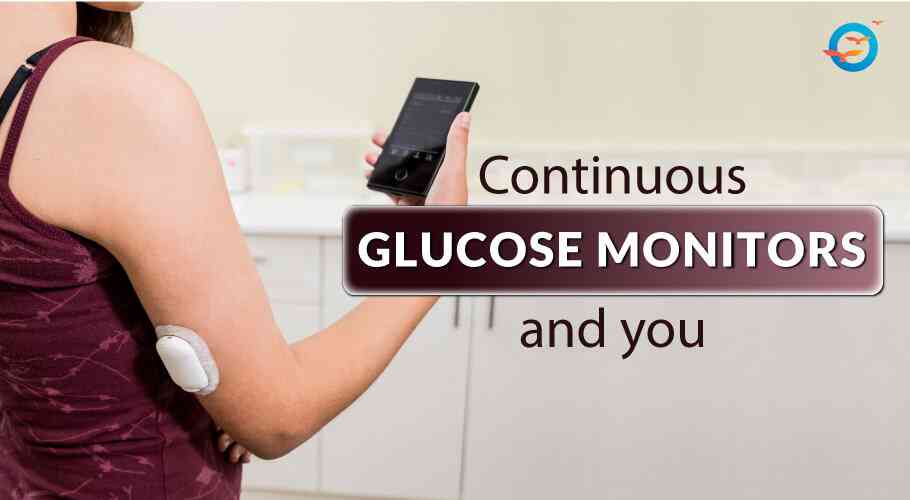
Continuous Glucose Monitors (CGMs) have transformed the way individuals manage diabetes by offering real-time, continuous insights into blood sugar levels. Unlike traditional glucose meters that provide a single reading at a specific moment, CGMs track glucose levels throughout the day and night, giving a more complete and dynamic picture of how the body responds to food, activity, medication, and other factors.
A Continuous Glucose Monitor is a small, wearable device designed to measure glucose levels continuously. It typically consists of a tiny sensor that is inserted just beneath the skin, often on the abdomen or the back of the upper arm. This sensor measures glucose levels in the interstitial fluid (the fluid between cells) rather than directly in the bloodstream. The data collected by the sensor is sent wirelessly through a transmitter to a display device such as a smartphone or a dedicated monitor. Most CGMs update glucose readings every 10 to 15 minutes, allowing users to see trends and patterns in real time.
The functioning of a CGM system relies on three key components. The first is the sensor, which detects glucose levels continuously. The second is the transmitter, which sends the collected data to a receiver. The third is the monitor or mobile application, where users can view their glucose readings, graphs, and alerts. Many modern CGMs are integrated with smartphone apps, making it easier to access and share data with healthcare providers.
One of the most significant advantages of using a CGM is continuous monitoring. Instead of relying on occasional finger-prick tests, users get a complete overview of how their glucose levels fluctuate over time. This continuous data helps identify patterns that might otherwise go unnoticed, such as nighttime lows or spikes after meals.
Another major benefit is the early detection of high and low blood sugar levels. CGMs can be programmed to send alerts when glucose levels rise above or fall below safe thresholds. This is especially useful for preventing dangerous situations such as hypoglycemia (low blood sugar) or hyperglycemia (high blood sugar). Early warnings allow individuals to take corrective action quickly, improving safety and reducing risks.
CGMs also help in identifying hidden patterns, such as the “dawn phenomenon,” where blood sugar levels rise in the early morning hours. Recognizing such patterns enables better planning and more effective diabetes management. Additionally, CGMs provide valuable insights into how lifestyle choices impact blood sugar. Users can see how different foods, physical activity, stress, or medications affect their glucose levels, allowing them to make more informed decisions.
However, CGMs are not necessary for everyone with diabetes. Individuals who have stable blood sugar levels and can manage their condition effectively with regular monitoring may not need a CGM. These devices are particularly beneficial for those who experience frequent fluctuations in blood sugar, have difficulty maintaining target levels, or are prone to episodes of hypoglycemia or hyperglycemia. They are also useful for caregivers and parents who need to monitor someone else’s glucose levels closely.
Despite their advantages, there are a few considerations before starting a CGM. Users must be comfortable wearing a sensor on their body and replacing it periodically, as sensors typically need to be changed every 7 to 14 days depending on the device. Some CGMs may also require occasional calibration with finger-stick blood glucose readings. Cost can be another factor, as CGMs can be more expensive than traditional monitoring methods, though insurance coverage may help offset the expense.
The role of CGMs in diabetes management is increasingly important. By providing continuous and detailed data, these devices reduce guesswork and enable more precise adjustments to medication, insulin dosage, diet, and exercise routines. This proactive approach helps prevent complications and improves overall quality of life.
In conclusion, Continuous Glucose Monitors represent a significant advancement in diabetes care. They provide real-time insights, enhance safety through alerts, and support better decision-making for both patients and healthcare providers. While they may not be essential for everyone, they are highly beneficial for individuals with unpredictable or poorly controlled blood sugar levels. Before starting a CGM, it is always advisable to consult a healthcare professional to determine whether it is the right choice based on individual health needs and goals.
Conclusion
Continuous Glucose Monitors represent a significant advancement in diabetes care. They offer real-time insights, improve safety through alerts, and help optimize treatment strategies. While not necessary for everyone, they are highly beneficial for individuals with fluctuating or unpredictable blood sugar levels.
Before starting a CGM, it’s important to consult your doctor to determine whether it is suitable for your specific condition and health goals.
https://www.freedomfromdiabetes.org/blog/post/continuous-glucose-monitors-things-you-need-to-know-before-use-freedom-from-diabetes/1561

 English
 Arabic
 French
 Spanish
 Portuguese
 Deutsch
 Turkish
 Dutch
Dutch
 Russian
 Romaian
 Portuguese (Brazil)
 Greek
Greek
