


 Downloader
 Free FTP
UAE Maritime Law Explained: Can a Yacht Owner Escape Liability by Claiming Force Majeure in a Collision?
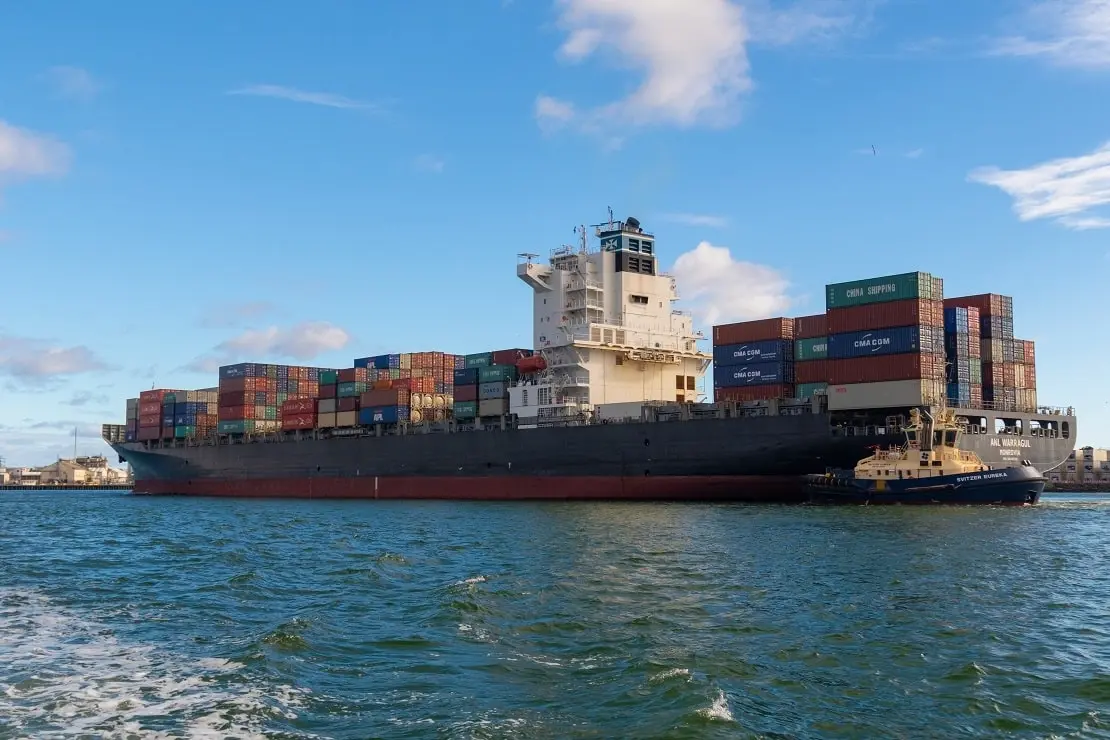
In maritime disputes involving yacht collisions, the question of liability often turns on whether the damage was caused by human error or an uncontrollable external event. Under the UAE’s updated maritime legal framework, the distinction is crucial in determining whether compensation must be paid.
Federal Decree-Law No. (43) of 2023 on Maritime Law lays down clear principles governing liability in the event of a collision between vessels or floating facilities. As a general rule, where a collision occurs due to the fault of one vessel, that vessel bears full responsibility for compensating the resulting damage. This reflects a fault-based liability system, where negligence, misjudgment, or failure to exercise due care on the part of the operator can directly translate into a legal obligation to pay damages.
However, the law also recognises situations where liability may not arise in the conventional sense. Specifically, it addresses circumstances involving force majeure — a legal concept referring to extraordinary events that are beyond human control. In maritime contexts, force majeure may include sudden natural events or unforeseeable incidents that could not have been prevented even with the exercise of due diligence.
Where a collision is proven to have resulted from force majeure, or where the cause of the accident remains unknown or uncertain, the legal position shifts significantly. In such cases, each vessel involved in the collision is required to bear its own losses. This applies regardless of whether the vessels were in motion or anchored at the time of the incident. The rationale is that in the absence of fault, liability cannot be imposed on one party alone.
That said, invoking force majeure is not straightforward. The burden lies on the party raising the defence to demonstrate that the event meets strict legal criteria. It must be shown to be exceptional, unforeseeable, and unavoidable, and that all reasonable precautions were taken to prevent the incident. A mere claim of mechanical failure or sudden malfunction is not automatically accepted as force majeure. Courts typically examine whether the malfunction could have been anticipated, whether proper maintenance was carried out, and whether the operator acted prudently in the circumstances.

 English
 Arabic
 French
 Spanish
 Portuguese
 Deutsch
 Dutch
Dutch
 Italiano
 Russian
 Romaian
 Portuguese (Brazil)
 Greek
Greek
