


 Downloader
 Free FTP
9 Night Rajasthan Tour Package: What Most Agents Hide from You?
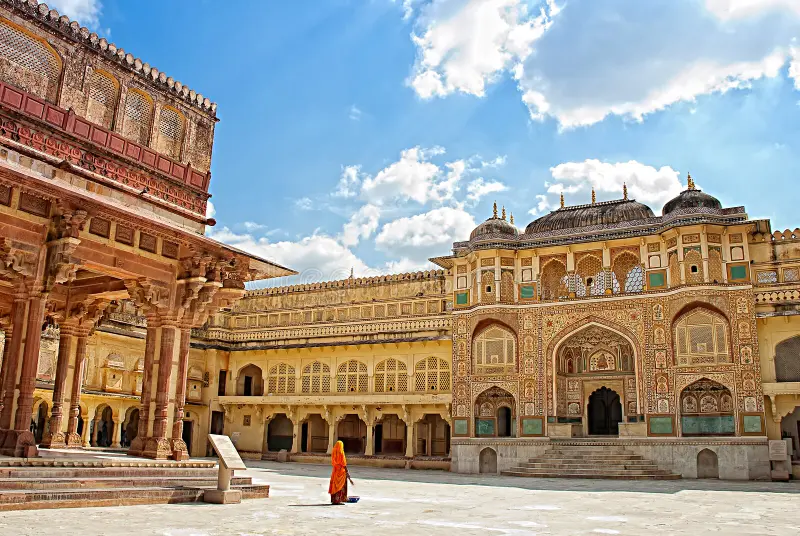
You’ve seen the glossy brochures. The ones with a perfectly dressed model standing alone in front of the Hawa Mahal, looking serene and untouched by the 42°C heat. The travel agent promises you a "comprehensive" trip through the Land of Kings. They tell you that you can see it all in a heartbeat.
They are lying.
Most agents sell you a marathon, not a vacation. They pack your schedule so tight that you spend 80% of your time staring at the back of a truck on the highway and 20% actually seeing the forts. By day four, the palaces start to look the same. By day six, you’re too exhausted to care about the sunset in Jaisalmer.
If you want to actually enjoy your trip, you need to know what happens behind the scenes of a standard itinerary.
Why Is Your Travel Agent Trying to Make You Drive 6 Hours a Day?
It’s simple math for them. The more cities they "check off" on your list, the more value they think they are showing you. They’ll tell you that you can go from Jaipur to Bikaner and then to Jaisalmer in three days.
Technically? Yes. Enjoyably? Absolutely not.
Rajasthan is huge. The roads are better than they used to be, but they aren't German autobahns. You will encounter cows, slow-moving tractors, and the occasional colorful wedding procession blocking the main road.
If your agent doesn't build in "buffer time," your "sightseeing" becomes a 15-minute photo op before you have to jump back into the car to reach the next hotel before the kitchen closes.
What’s the Better Way to Map It Out?
Stop trying to conquer the whole state. Instead of seeing ten cities poorly, see five cities deeply.
-
The Two-Night Rule: Never stay in a city for just one night if you can help it. It takes half a day to check in and out. Give yourself a full, slow day in places like Udaipur or Jaisalmer.
-
The Afternoon Slump: Plan your heavy walking for the morning. Spend your afternoons at a rooftop cafe with a cold drink, watching the city move. That’s where the real magic happens.
Are Those "Included" Shopping Stops Actually Tourist Traps?
We’ve all been there. Your driver says, "I know a very special place for authentic block printing." Suddenly, you’re in a massive warehouse. Five men are bringing you "free" masala chai while unrolling thirty rugs you didn't ask for.
Your agent won't tell you this, but many of those stops are subsidized. The shops pay commissions to the agencies and drivers.
There is nothing wrong with shopping Rajasthan has some of the best textiles and jewelry on the planet. But there is a massive difference between a curated local workshop and a high-pressure tourist factory.
How Do You Find the Real Stuff?
Ask to go to the local markets where the locals actually shop.
In Jaipur, skip the big "emporiums" on the main road. Head into the narrow lanes of Johari Bazaar. Look for the tiny stalls where Rajasthani grandmothers are haggling over the price of bangles. It might be noisier, and you won't get "free" tea, but you’ll pay half the price and get ten times the stories.
Why Is "Breakfast and Dinner Included" Sometimes a Bad Deal?
It sounds like a great way to save money. You pay for a package that covers two meals a day at your hotel.
Here is the catch: Hotel buffets in Rajasthan are often built for "safe" palates. They serve a generic mix of pasta, yellow dal, and paneer butter masala. It’s fine, but it’s boring.
By eating every dinner in your hotel, you miss out on the incredible street food culture. You miss the Lal Maas (mutton curry) in a local haunt or the Pyaaz Kachori from a corner stall that’s been there for sixty years.
-
The Foodie Strategy: Book "Breakfast Only." It keeps your evenings flexible.
-
The Local Guide Tip: Ask your guide where they eat. Not where they take tourists, but where they take their own families.
Is the "Desert Safari" Really as Remote as the Photos Suggest?
The photos show a lone camel rider on a pristine sand dune under a million stars.
The reality? Sometimes it’s fifty camels in a row, a loud DJ playing Bollywood hits at a nearby "desert camp," and enough plastic bottles to fill a truck.
If your agent books you at the Sam Sand Dunes in Jaisalmer during peak season, expect a crowd. It’s basically a desert theme park.
How to Get the Quiet Desert Experience?
Ask for Khuri or non-touristic dunes. They are further away, and the camps are more basic, but you’ll actually hear the wind in the sand instead of a loudspeaker. It’s the difference between a tourist experience and a soul-stirring one.
What’s the Real Difference Between a "Budget" and "Luxury" Car?
Your agent might tell you that a basic sedan is enough for the long hauls.
For a two-hour drive? Sure. For a nine night trip across Rajasthan? No.
You need space. You need good suspension. You need an AC that actually works when it’s 40 degrees outside. Skimping on the vehicle is the fastest way to turn a dream vacation into a back-aching nightmare.
How Do You Plan a Trip That Actually Feels Like a Vacation?
You deserve a trip that leaves you with memories, not just a full camera roll and a tired body. Rajasthan is a place of deep history and slow conversations. It’s about sitting on the steps of a ghat in Udaipur at dusk, not just ticking a box on an itinerary.
If you want to do this right, you need to work with someone who values your time as much as your money. Someone who knows when to tell you to "skip that fort" because it’s a tourist trap.
Planning a Rajasthan tour package for 9 nights 10 days is an art form. It requires balancing the big monuments with the quiet, hidden corners that most tourists never see. When you're ready to move past the generic brochures and see the real heart of the desert, you should reach out to the best tour operator in India. Look for the team that doesn't just sell seats in a car, but crafts a story you’ll be telling for the rest of your life.

 English
 Arabic
 French
 Spanish
 Deutsch
 Turkish
 Dutch
Dutch
 Italiano
 Russian
 Romaian
 Portuguese (Brazil)
 Greek
Greek
