


 Downloader
 Free FTP
Can ER4943 Join Dissimilar Aluminum Alloys Successfully?
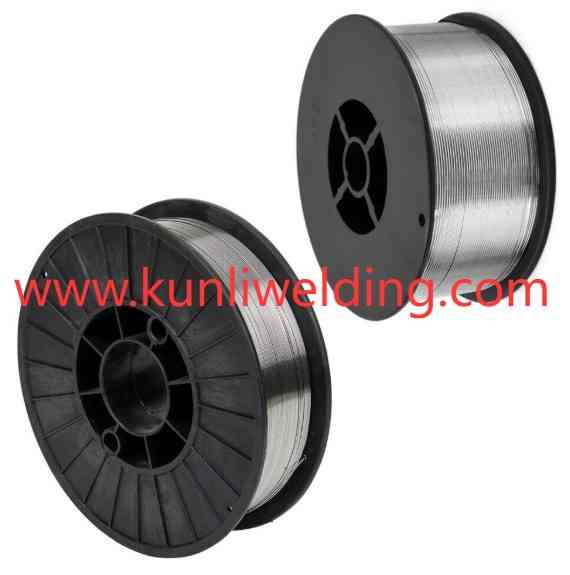
Aluminum fabrication challenges welders with materials that crack unexpectedly during solidification, creating defects that compromise structural integrity and force costly rework. Traditional aluminum magnesium filler wires sometimes struggle with crack sensitive base materials, restrained joint configurations, or dissimilar alloy combinations where thermal stresses during cooling exceed material tolerance. Aluminum Welding Wire ER4943 emerged as a specialized solution addressing these persistent cracking problems through strategic silicon additions that fundamentally alter solidification behavior, enabling successful welding in situations where conventional fillers consistently fail despite proper technique and parameter control.
This composition belongs to the four thousand series aluminum silicon alloy family rather than the more common five thousand series magnesium alloys that dominate general aluminum welding. The silicon content creates near eutectic characteristics that dramatically narrow the solidification temperature range compared to purely magnesium based compositions. This compressed freezing interval reduces the time period during which partially solidified material remains vulnerable to thermal contraction stresses that tear apart grain boundaries causing hot cracks. The metallurgical advantage silicon provides explains why this filler succeeds where higher magnesium alternatives crack repeatedly.
Crack resistance in demanding applications represents the primary reason fabricators specify this composition despite its moderate strength compared to higher magnesium fillers. Joining aluminum casting alloys, welding dissimilar aluminum combinations, or working with base materials exhibiting known cracking tendencies all benefit from the crack resistant characteristics silicon bearing fillers provide. Repair scenarios on unknown base metals particularly favor this composition because its forgiving nature succeeds across varied base alloy combinations without the extensive testing that determining compatible filler materials would otherwise require.
Puddle fluidity characteristics differ noticeably from magnesium alloy fillers because silicon additions create more flowing weld pools that wet base materials readily and produce smooth bead profiles. This enhanced fluidity proves advantageous for achieving good tie in, filling gaps, and creating cosmetically acceptable welds requiring minimal grinding. However, the same flowing nature becomes problematic in positional welding where gravity compounds puddle control challenges. Overhead and vertical applications typically favor more viscous magnesium fillers that resist sagging better than silicon bearing alternatives.
Strength characteristics of deposited weld metal fall below what higher magnesium compositions achieve because silicon does not strengthen aluminum through solid solution hardening as effectively as magnesium. Applications where joint strength governs structural capacity may require higher strength fillers despite their increased cracking susceptibility. Understanding this strength versus crack resistance tradeoff helps engineers select appropriate materials matching actual application priorities rather than assuming any aluminum filler suits all scenarios.
Base metal compatibility spans a broad range including both wrought and cast aluminum alloys because the silicon chemistry bridges compositional differences that create problems with purely magnesium fillers. Six thousand series magnesium silicon alloys particularly benefit from silicon bearing fillers that match their chemistry and accommodate their crack sensitivity. Three hundred series casting alloys containing substantial silicon also pair well with this composition that complements their metallurgy rather than creating incompatible mixtures.
Color matching after anodizing presents challenges because silicon bearing weld metal responds to surface treatments differently than magnesium alloys, creating visible contrast between welds and surrounding base material. Applications where welds will be visible after anodizing require considering whether this color differentiation creates unacceptable aesthetic issues. Some fabricators intentionally use the color contrast for quality control identification while others view it as a cosmetic defect.
Weldability characteristics including arc stability, spatter generation, and ease of achieving acceptable results vary from magnesium compositions. The silicon content affects electrical conductivity and surface tension in ways that influence metal transfer and arc behavior. Welders switching between filler types notice these differences and may require parameter adjustments achieving comparable results with each material type.
Thermal conductivity differences affect heat distribution during welding because silicon alters aluminum's thermal properties. These thermal characteristic changes influence optimal welding parameters and heat input requirements compared to purely magnesium compositions.
Post weld heat treatment compatibility matters when structures require thermal processing for stress relief or property modification after welding. The silicon bearing microstructure responds differently to thermal cycles than magnesium compositions, affecting property development during heat treatment.
Corrosion behavior in service environments varies from magnesium alloy fillers because silicon influences electrochemical characteristics and passive film properties. Marine applications, chemical processing equipment, and outdoor structures facing environmental exposure require evaluating whether corrosion performance suits anticipated service conditions.
Application specific performance determines whether crack resistance advantages outweigh strength limitations for particular projects. Repair welding, casting alloy fabrication, and dissimilar metal joining typically prioritize crack resistance. Structural fabrication requiring maximum strength may accept higher cracking risk to achieve necessary load capacity.
Cost considerations sometimes influence decisions when this specialized composition commands premium pricing compared to standard magnesium fillers. Economic analysis weighing material costs against rework expenses from cracking determines total project costs more accurately than simple material price comparisons.
Understanding these comprehensive characteristics enables informed material selection matching filler capabilities to actual fabrication challenges rather than defaulting to familiar materials that may not suit specific scenarios demanding crack resistant compositions. Detailed technical information on crack resistant aluminum welding solutions and specialized filler materials are available at https://kunliwelding.psce.pw/8p6qax supporting fabricators addressing challenging aluminum welding applications.

 English
 Arabic
 French
 Spanish
 Portuguese
 Deutsch
 Turkish
 Dutch
Dutch
 Italiano
 Romaian
 Portuguese (Brazil)
 Greek
Greek
