


 Downloader
 Free FTP
Kunliwelding Selection: Which Gas Suits Different Thicknesses?
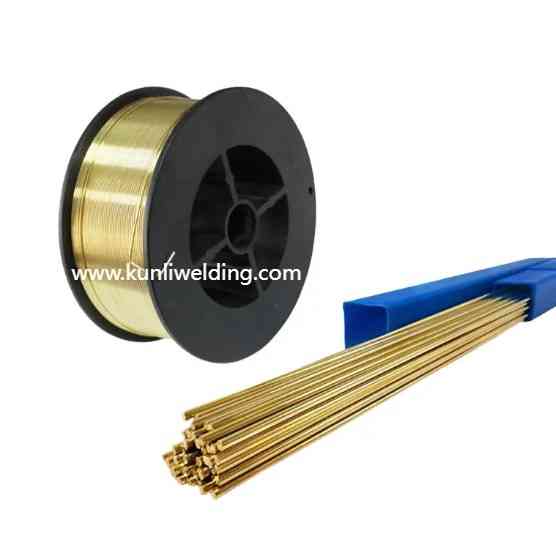
Marine fabrication, transportation equipment manufacturing, and structural aluminum welding applications require filler materials that deliver specific mechanical properties and corrosion resistance characteristics suited to demanding service environments. Among the aluminum magnesium alloy family, certain compositions have earned widespread specification due to their balanced combination of strength, weldability, and environmental durability. Aluminum Welding Wire ER5087 represents one such composition, formulated with elevated magnesium content that provides enhanced strength and corrosion resistance making it particularly suitable for marine grade aluminum structures, rail car fabrication, and pressure vessel construction where joints must perform reliably throughout extended service lives in challenging conditions.
This filler material belongs to the five thousand series aluminum magnesium alloy family, characterized by non heat treatable compositions that derive their strength primarily through solid solution hardening rather than precipitation mechanisms requiring thermal processing. The magnesium content distinguishes this particular designation from related compositions within the same alloy family, providing higher strength levels compared to moderate magnesium alternatives while maintaining adequate ductility and toughness for structural applications. The composition creates weld metal with mechanical properties suitable for joining higher strength aluminum base materials where adequate strength matching becomes essential for preventing joints from becoming weak points limiting overall assembly capacity.
Corrosion resistance in marine environments represents a critical performance characteristic that makes this composition valuable for vessels, offshore platforms, and coastal equipment facing continuous saltwater exposure. The balanced magnesium chemistry provides enhanced resistance to general corrosion, pitting, and stress corrosion cracking compared to some alternative aluminum alloys, enabling structures to withstand decades of ocean service without catastrophic degradation. This environmental durability explains the widespread specification of this filler material throughout shipbuilding and marine equipment fabrication where material selection directly impacts safety and operational longevity.
Shielding gas selection significantly influences arc characteristics, penetration patterns, and weld metal cleanliness when working with this aluminum magnesium filler. Pure argon remains the foundational shielding gas choice for many applications, providing stable arc behavior and adequate atmospheric protection across varied welding processes. The inert nature of argon prevents chemical reactions with molten aluminum while its physical properties create focused arc columns suitable for controlling heat input and penetration depth. Pure argon works effectively across spray transfer, pulsed, and AC TIG welding processes commonly employed with aluminum filler materials.
Helium additions to argon create mixed gas atmospheres that alter thermal characteristics and arc behavior in ways beneficial for specific welding scenarios. Adding helium increases arc voltage and heat input, producing hotter, more fluid weld pools with wider, shallower penetration profiles. These thermal effects prove advantageous when welding thicker aluminum sections requiring substantial heat input for complete joint penetration or when working out of position where the broader heat distribution helium provides improves puddle control. Various argon helium ratios allow tailoring thermal characteristics to match specific material thicknesses and joint configurations.
Gas purity standards affect weld quality regardless of composition choice because moisture contamination, oxygen content, and hydrocarbon residues compromise shielding effectiveness. High purity gases from reputable suppliers combined with clean delivery systems maintain the protective atmosphere quality that aluminum welding demands. Regular system maintenance prevents contamination that degrades shielding performance despite using appropriate gas compositions.
Flow rate optimization balances adequate coverage against turbulent flow patterns that draw atmospheric contamination into the protected zone. Insufficient flow exposes molten aluminum to oxidation and nitride formation while excessive flow creates turbulence disrupting the laminar gas blanket. Gas lens diffusers improve flow stability, providing more uniform coverage at controlled flow rates.
Material thickness considerations guide gas selection as joint dimensions vary throughout fabrication operations. Thin gauge materials typically weld successfully with pure argon or argon rich mixtures providing controlled heat input. Intermediate thickness ranges may benefit from moderate helium additions. Heavy sections often require substantial helium content generating thermal energy necessary for complete penetration.
Welding position influences how gas density and arc characteristics interact with gravity affecting puddle control. Overhead and vertical applications favor argon rich mixtures because argon's greater density provides better coverage when welding against gravity. The focused arc column pure argon produces helps support weld pools in out of position work. Flat and horizontal positions tolerate helium additions more readily since gravity assists puddle management.
Process type compatibility varies between TIG and MIG applications. AC TIG aluminum welding typically uses pure argon because alternating current provides adequate oxide cleaning without requiring helium's additional heat. MIG processes more commonly employ argon helium blends for thicker materials where continuous wire feed and higher deposition rates benefit from enhanced heat input.
Arc stability and metal transfer behavior respond to gas selection through effects on electrical conductivity and surface tension. Pure argon generally provides smooth arc characteristics with controlled metal transfer. Helium additions increase arc voltage requiring parameter adjustments to maintain stable transfer modes.
Cost effectiveness considerations balance gas pricing against productivity improvements helium additions may provide through faster travel speeds. Economic analysis determines whether increased gas costs justify efficiency gains for specific production scenarios.
Understanding these gas selection principles enables systematic optimization of welding processes using this higher strength aluminum magnesium filler composition across varied applications and fabrication requirements. Comprehensive technical guidance on shielding gas selection and aluminum welding materials are available at https://www.kunliwelding.com/ supporting fabrication operations pursuing reliable aluminum welding outcomes.

 English
 Arabic
 French
 Spanish
 Portuguese
 Deutsch
 Turkish
 Dutch
Dutch
 Italiano
 Russian
 Portuguese (Brazil)
 Greek
Greek
