


 Downloader
 Free FTP
Why Choose Kunli ER4943 Wire for Smooth Weld Finishes
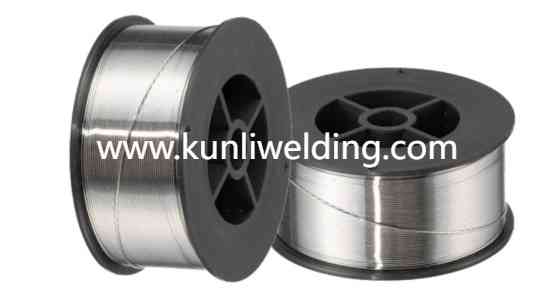
Weld pool behavior significantly influences both the ease of welding operations and the visual quality of finished beads in aluminum fabrication. Operators notice distinct differences in how molten metal flows and solidifies depending on filler metal composition, with some alloys creating fluid pools that spread readily while others produce stiffer, less mobile weld metal. Aluminum Welding Wire ER4943 incorporates silicon as a key alloying element that fundamentally shapes how the material behaves during welding and affects the surface characteristics of completed joints through its influence on metallurgical properties and solidification patterns.
Silicon additions to aluminum alloys reduce melting temperature compared to pure aluminum or magnesium bearing compositions, creating weld pools that remain molten at lower temperatures and for extended durations. This increased fluidity allows molten metal to flow more readily into joint gaps and across weld surfaces, filling irregularities and creating smoother bead profiles. The fluid nature proves particularly beneficial when welding castings or components with fit up variations where weld metal must bridge gaps without creating voids or incomplete fusion.
Solidification behavior changes with silicon content since the element creates eutectic structures that freeze across wider temperature ranges than simpler alloy systems. This extended solidification window reduces the tendency toward hot cracking that plagues some aluminum alloys by accommodating thermal stresses through gradual freezing rather than abrupt transitions from liquid to solid states. The crack resistance makes silicon bearing wire suitable for challenging applications including repair work and dissimilar alloy joining where restraint and thermal gradients create cracking risks.
Weld pool manipulation responds to silicon content through the fluidity affecting how operators control bead placement and shape. More fluid pools require different torch manipulation than stiffer alternatives, with excessive weaving potentially causing molten metal to run beyond intended boundaries. Welders transitioning to silicon bearing wire from magnesium alternatives must adjust technique accounting for increased flow characteristics that demand steadier travel speeds and more controlled movements.
Surface finish quality benefits from silicon's influence on weld pool fluidity since flowing metal tends to level itself creating smoother surfaces with less pronounced ripple patterns. The self leveling tendency reduces surface irregularities that might require grinding or finishing operations, delivering improved as welded appearance. Applications where cosmetic quality matters alongside structural integrity appreciate the enhanced finish that silicon content provides without additional post weld work.
Porosity resistance connects to silicon content through its effects on hydrogen solubility and gas escape during solidification. The extended freezing time in silicon bearing alloys allows trapped gases more opportunity to escape before complete solidification, reducing porosity tendencies compared to rapidly freezing compositions. This forgiving nature makes silicon wire less demanding regarding base metal cleanliness and shielding gas coverage, though proper technique remains important for quality results.
Penetration characteristics vary with silicon content since the fluid, lower temperature pools may not penetrate as deeply as hotter, stiffer alternatives. Applications requiring deep fusion might need parameter adjustments when using silicon bearing wire to achieve adequate joint penetration. Understanding this penetration difference prevents inadequate fusion that could compromise joint strength despite sound surface appearance.
Color matching behavior influenced by silicon creates weld beads with distinct appearance compared to magnesium rich alternatives. The silicon content produces darker colored welds that may contrast noticeably with certain base metals, particularly after anodizing or other finishing treatments. Projects where color uniformity matters require testing to verify acceptable appearance before committing to production welding with silicon bearing filler.
Feeding characteristics through welding equipment reflect silicon's influence on wire stiffness and mechanical properties. Silicon bearing wire typically exhibits moderate stiffness feeding reliably through standard equipment without the challenging softness of some pure aluminum compositions or excessive rigidity of highly alloyed alternatives. This balanced feeding behavior contributes to operational efficiency through reduced bird nesting and consistent wire delivery.
Post weld heat treatment compatibility extends to silicon bearing alloys though the specific silicon content influences response to thermal processing. Understanding how the wire composition behaves during any planned heat treatments ensures joint properties remain acceptable after thermal cycles. Some applications benefit from heat treatment while others require as welded properties, making composition awareness important for process planning.
Strength properties in silicon bearing welds fall between pure aluminum and high magnesium structural alloys, delivering moderate tensile values adequate for many applications. The strength combined with crack resistance creates balanced performance suitable for diverse fabrication scenarios including transportation, marine, and general industrial assemblies where extreme strength proves less critical than reliability and weldability.
Weldability across positions benefits from silicon content since the fluid pools accommodate various welding orientations without excessive sagging or inadequate fill. Overhead and vertical welding remain more challenging than flat work though silicon bearing wire handles position changes better than extremely fluid compositions while remaining more forgiving than very stiff alternatives.
Application versatility stems from silicon's influence creating wire suitable for varied base metal combinations and joint configurations. The broad compatibility reduces inventory complexity in shops handling diverse aluminum fabrication, allowing single wire use across multiple projects that might otherwise require different specialized fillers.
Operator preferences vary regarding silicon bearing wire characteristics with some welders appreciating the fluid pools and smooth finishes while others prefer the different behavior of magnesium alternatives. Experience with both alloy families builds understanding of when each type suits particular applications, developing judgment about appropriate material selection for specific projects. Fabricators evaluating multipurpose aluminum filler metals benefit from understanding how silicon content influences practical welding characteristics and finished weld properties. Balancing fluidity, finish quality, and crack resistance against penetration and strength considerations supports informed material selection for diverse applications. Technical resources addressing Aluminum Welding Wire ER4943 composition effects and application guidance are available at https://kunliwelding.psce.pw/8p6qax . Systematic testing on representative joints reveals whether silicon bearing wire characteristics suit specific fabrication requirements and operator preferences across varied aluminum welding scenarios.

 English
 Arabic
 French
 Spanish
 Portuguese
 Deutsch
 Turkish
 Italiano
 Russian
 Romaian
 Portuguese (Brazil)
 Greek
Greek
