


 Downloader
 Free FTP
What to Do If You Find a Dead Animal in Your Pool
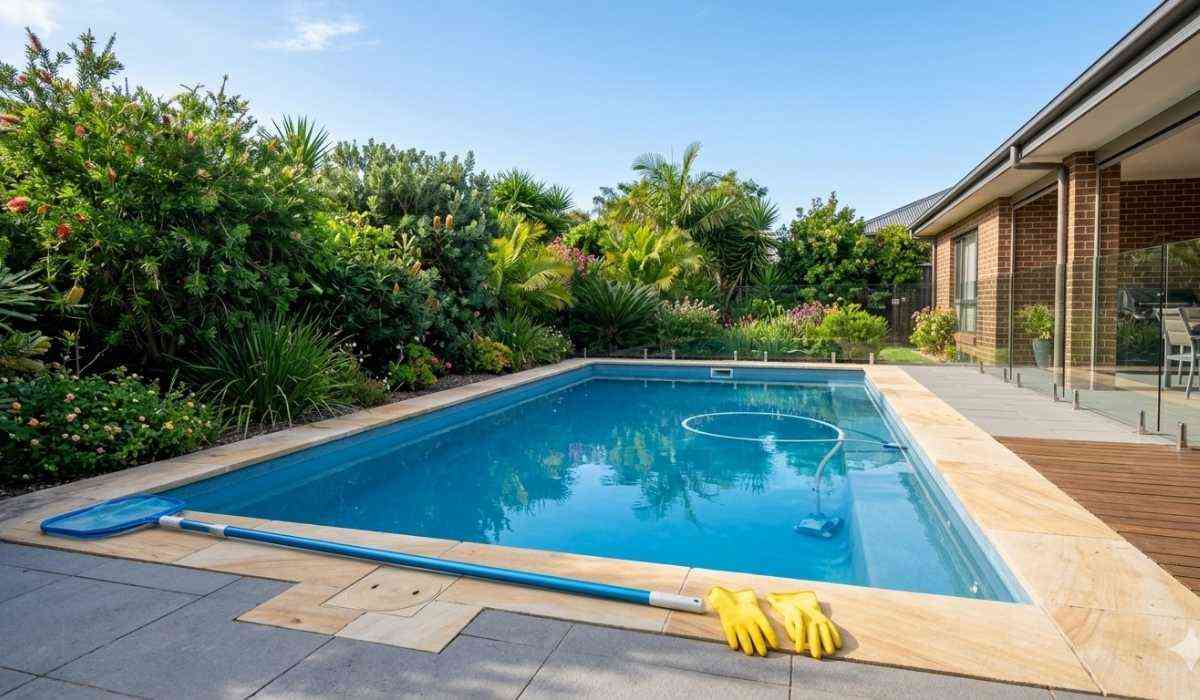
Discovering a dead animal in your pool is one of those situations that catches most homeowners completely off guard. Whether it's a possum, rat, bird, or frog that made its way into the water overnight, your immediate reaction matters — both for your family's safety and the health of your pool water. If you're in Melbourne's northern suburbs and need professional assistance beyond basic pool clean-up, Dead Animal Removal Mill Park services are well-versed in handling exactly these kinds of incidents, ensuring the animal is disposed of hygienically and your property is properly assessed for any underlying wildlife access issues.
What many pool owners don't realise is that a dead animal — particularly a mammal — can introduce harmful pathogens into the water that standard chlorine levels may not neutralise quickly enough. The risk depends on how long the animal has been in the pool, its species, and the current chemical balance of your water. For homeowners in Melbourne's western suburbs dealing with the same stressful situation, Dead Animal Removal Altona professionals can provide on-site guidance, safe removal, and a full property check to prevent repeat occurrences near outdoor water features.
Understanding the Real Risk
Before you reach for the pool net, it's worth understanding why this situation demands a careful, methodical response rather than a quick scoop-and-forget approach.
Dead animals — especially warm-blooded ones like possums, rats, and rabbits — can carry a range of bacteria and pathogens. One of the most commonly cited concerns is Cryptosporidium and Giardia, microscopic parasites that are resistant to standard chlorine levels and can cause serious gastrointestinal illness in humans. Beyond parasites, there's also the risk of E. coli, Salmonella, and leptospirosis — particularly if the animal has been in the water for several hours or longer.
The longer the carcass has been submerged, the greater the contamination risk. A bird that fell in an hour ago presents a very different scenario to a possum that's been floating since the previous evening. Regardless of the timeframe, a proper response protocol should always be followed.
Step 1 — Keep Everyone Out of the Pool
The very first thing you should do is ensure no one enters the water. This includes children, pets, and anyone who may not yet be aware of the situation. Even if the pool looks fine and the water appears clear, the contamination risk is real and invisible to the naked eye.
Put up a physical barrier if needed, or simply communicate clearly to your household that the pool is off-limits until the situation has been properly addressed. This isn't an overreaction — it's the responsible call.
Step 2 — Gear Up Before You Touch Anything
Personal protection is non-negotiable here. Before removing the animal from the water, you'll want to put on:
- Waterproof disposable gloves — double-glove if possible
- Eye protection if there's any chance of splashing
- Old clothing you're prepared to wash immediately afterwards, or disposable coveralls if you have them
Avoid touching your face throughout the entire process and wash your hands thoroughly with soap and warm water once you're done, even after removing gloves.
Step 3 — Remove the Animal Carefully
Using a pool net or skimmer with a long handle, carefully scoop the animal from the water. Try to minimise splashing as much as possible to avoid spreading contaminated water across the pool surround or onto yourself.
Once removed, place the carcass directly into a thick plastic bag — ideally double-bagged — and seal it securely. Do not leave it on the pool deck or anywhere near the pool area. Depending on your local council guidelines, you may be able to place it in your general waste bin, or you may need to contact your council for correct disposal instructions. Some councils in Victoria have specific requirements around wildlife carcass disposal, so it's worth a quick check if you're unsure.
Step 4 — Clean and Disinfect the Removal Area
After the animal has been removed and bagged, use a garden hose to rinse down any area of the pool deck, coping, or surrounds that may have come into contact with the carcass or contaminated pool water. Follow this with a diluted bleach solution — roughly one part bleach to nine parts water — applied to hard surfaces and left for several minutes before rinsing again.
Any equipment used during the removal, including your pool net or skimmer, should be disinfected in the same way. Don't skip this step — these tools go back into your pool water, and cross-contamination from the equipment itself is a real and avoidable risk.
Step 5 — Shock Your Pool Water
This is the most critical step for restoring your pool to a safe, swimmable condition. Pool shocking — also known as superchlorination — involves raising the free chlorine level significantly above its normal range to kill off bacteria and pathogens introduced by the carcass.
For most residential pools, the general guidance following a dead animal incident is to raise the free chlorine level to at least 2 ppm (parts per million) and maintain a pH between 7.2 and 7.5. However, if the animal was in the water for an extended period, or if it was a larger mammal like a possum or rabbit, you may need to raise chlorine levels higher and maintain that level for a longer period — sometimes up to 24 hours or more.
If you're not confident managing pool chemistry yourself, this is a situation where calling your local pool technician is absolutely the right call. Getting the chemistry wrong at this stage can give you false confidence that the water is safe when it isn't.
Step 6 — Run the Filter Continuously
While the pool is being shocked, run your filtration system continuously. The filter plays a key role in removing debris and helping distribute the shock treatment evenly throughout the pool. After the shocking period is complete, clean or backwash your filter thoroughly — it will have captured contaminants during the process and needs to be cleared before normal operation resumes.
If your pool uses a cartridge filter, remove and clean the cartridge manually before reinserting it.
Step 7 — Retest Before Anyone Swims
Before allowing anyone back into the pool, retest your water chemistry to confirm that chlorine levels have returned to the normal safe range — typically between 1 and 3 ppm — and that pH, alkalinity, and other parameters are balanced. Most pool supply shops sell straightforward test kits or test strips that make this easy to do at home.
If in doubt, hold off swimming for an additional 24 hours. It's a minor inconvenience compared to the alternative.
Addressing the Bigger Picture — How Did It Get In?
A dead animal in your pool isn't always a freak accident. In many Australian suburbs, particularly those that border bushland, reserves, or areas with established wildlife corridors, it can become a recurring problem. Possums, in particular, are known to fall into pools while moving through gardens at night.
Some practical preventative measures worth considering include:
- Installing a pool cover that seals the water surface overnight
- Adding a pool ramp or escape ladder designed specifically for wildlife — these inexpensive devices give animals a way to climb out if they fall in, preventing drowning and the subsequent contamination issue altogether
- Trimming overhanging branches near the pool to reduce the likelihood of animals falling from above
- Checking fencing around your pool area for gaps that allow ground-level access for smaller animals
When to Call a Professional
If the animal is large, has clearly been in the water for a long time, or if you're simply not comfortable managing the removal and disinfection process yourself, there is absolutely no shame in calling a professional. Wildlife and pest removal specialists have the protective equipment, disposal knowledge, and experience to handle these situations safely and efficiently — and many also offer advice on preventing future incidents specific to your property.
A dead animal in your pool is unpleasant, but it's a manageable situation when handled correctly. Stay calm, follow the steps, and don't cut corners on the disinfection process. Your family's health is always worth the extra effort.

 Arabic
 French
 Spanish
 Portuguese
 Deutsch
 Turkish
 Dutch
Dutch
 Italiano
 Russian
 Romaian
 Portuguese (Brazil)
 Greek
Greek
