


 Downloader
 Free FTP
How Pharmacovigilance and Drug Safety Training Builds Pharma Careers
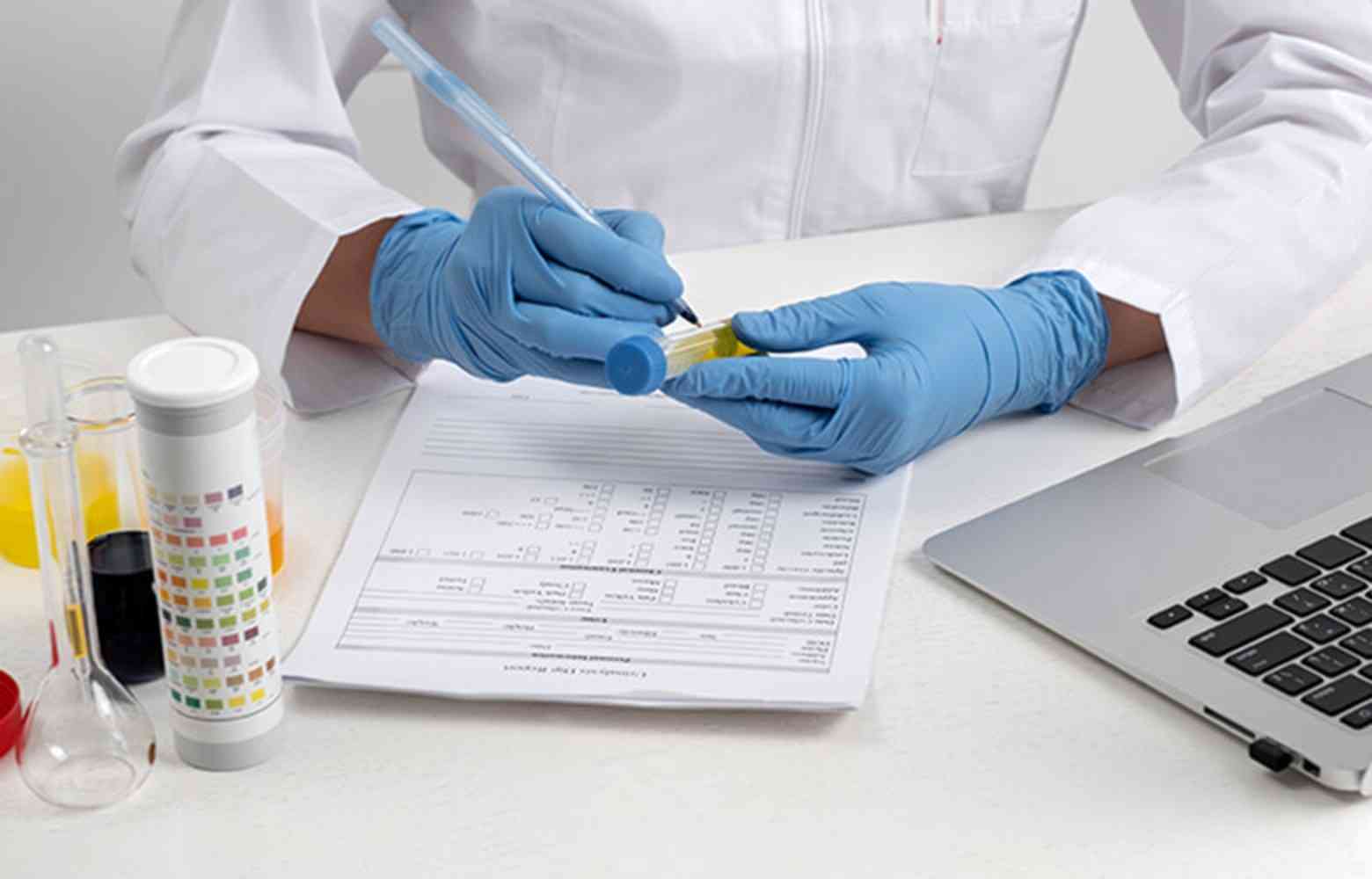
Medicines save lives. We all know that. But here’s the thing people rarely talk about-every medicine also carries some risk.That’s exactly where pharmacovigilance and drug safety training comes into the picture. Even after years of research and clinical trials, unexpected side effects can still appear once a drug reaches real patients.
If you’ve ever wondered who monitors medicines after they enter the market, the answer is pharmacovigilance professionals. These experts track, analyze, and report drug safety information so that treatments remain safe for millions of people.
For students and healthcare professionals who want a meaningful career in the pharmaceutical world, this field is becoming one of the most promising options. And honestly, demand is only growing.
So let’s break it down in simple terms—what pharmacovigilance is, why training matters, and how it can shape your career.
What Is Pharmacovigilance?
Pharmacovigilance sounds like a complicated word, but the idea behind it is simple.
It means monitoring medicines for safety.
Once a drug is approved and used by the public, healthcare systems continue collecting information about side effects. These side effects are called adverse drug reactions (ADRs).
Pharmacovigilance professionals study these reports carefully. They look for patterns that may signal a problem.
For example, imagine thousands of patients report headaches after taking a new medicine. Individually, the reports might seem minor. But together, they could point to a safety concern.
That’s how signals are detected.
And when a signal appears, regulators and pharmaceutical companies investigate further to protect patients.
Why Pharmacovigilance Matters More Than Ever
You’ve probably noticed how quickly new medicines appear today. Pharmaceutical research moves fast.
Vaccines, biologics, targeted therapies—there’s constant innovation.
But faster innovation also means stronger safety monitoring is needed.
Every year, health authorities like the World Health Organization, U.S. Food and Drug Administration, and the European Medicines Agency collect millions of drug safety reports.
Someone has to review that information.
Someone has to analyze it.
And someone has to decide whether a drug label should change or a warning should be added.
That “someone” is usually a pharmacovigilance professional.
So yes, the role carries real responsibility. But it also makes the work incredibly meaningful.
Pharmacovigilance and Drug Safety Training: Where Careers Begin
Why formal training makes a difference
Breaking into pharmacovigilance isn’t always easy without the right knowledge.
The industry expects professionals to understand drug safety systems, regulatory rules, and medical terminology.
That’s why pharmacovigilance and drug safety training has become so valuable.
Good training programs help students understand how the system works behind the scenes.
You learn how adverse events are reported.
You learn how safety data is assessed.
You learn how regulators review drug risks.
But training also focuses on practical skills.
Things like:
-
Case processing
-
Medical coding
-
Signal detection
-
Risk management plans
-
Regulatory reporting
These skills matter a lot when you apply for jobs in pharmaceutical companies or contract research organizations.
Skills You Gain During Pharmacovigilance Training
Understanding real drug safety cases
The most useful training programs focus on real-world scenarios.
Students practice analyzing adverse event reports, identifying possible drug reactions, and writing safety narratives.
At first, it may feel technical. But after a while, patterns start making sense.
You begin to see how a single patient report can contribute to global drug safety data.
And honestly, that moment feels pretty exciting.
Learning global drug safety regulations
Drug safety doesn’t follow just one country’s rules.
Pharmaceutical companies operate worldwide. That means professionals must understand international regulations.
Training programs often introduce guidelines from major health authorities and international bodies like the International Council for Harmonisation of Technical Requirements for Pharmaceuticals for Human Use.
This knowledge helps professionals work across global safety databases and reporting systems.
Career Opportunities After Pharmacovigilance and Drug Safety Training
Here’s the encouraging part.
Pharmacovigilance is one of the fastest-growing areas in the pharmaceutical industry.
Many graduates start their careers in roles such as:
-
Drug Safety Associate
-
Pharmacovigilance Officer
-
Case Processing Specialist
-
Signal Detection Analyst
-
Medical Reviewer
These roles exist in pharmaceutical companies, clinical research organizations, and regulatory agencies.
Even hospitals and healthcare networks now maintain pharmacovigilance teams.
For students with life science backgrounds—pharmacy, biotechnology, microbiology, or nursing—this field offers a clear entry point into the pharma industry.
And once you gain experience, career growth can be impressive.
Choosing the Right Training Institute
Not all training programs are equal.
Some focus heavily on theory but provide little practical exposure. Others teach software tools, case workflows, and industry documentation.
If you’re serious about entering the field, practical training matters.
That’s where institutes like Medipharma Solutions come into the picture.
Training providers that combine industry knowledge with hands-on learning often prepare students much better for real jobs.
You learn how pharmacovigilance actually works inside pharmaceutical companies.
And trust me, that experience makes interviews much easier.
Who Should Consider Pharmacovigilance Training?
You might be wondering if this career path fits you.
Here’s the honest answer.
Pharmacovigilance works well for people who enjoy research, analysis, and careful documentation.
If you’re detail-oriented and curious about drug safety, you’ll likely enjoy the work.
Typical candidates include:
-
Pharmacy graduates
-
Life science students
-
Nurses
-
Biotechnology graduates
-
Medical professionals seeking non-clinical roles
Many professionals also move into pharmacovigilance after working in clinical research.
So yes, there are multiple entry paths.
The Future of Drug Safety Careers
Here’s something interesting.
As medicines become more advanced, drug safety monitoring becomes even more important.
Biologic drugs, gene therapies, and personalized medicine all introduce new safety questions.
Technology is also changing pharmacovigilance. Artificial intelligence now helps detect safety signals faster.
But human expertise is still essential.
Professionals must interpret data, evaluate medical meaning, and decide whether a risk is real.
That’s why trained pharmacovigilance specialists will remain valuable for years to come.
Conclusion
Medicines improve lives. But ensuring their safety never truly stops.
Behind every approved drug, there’s an ongoing system monitoring its effects in real patients. Pharmacovigilance professionals keep that system running.
With proper pharmacovigilance and drug safety training, students can enter a field that blends science, healthcare, and real-world responsibility.
It’s not just about building a career. It’s about protecting patients and improving public health.
For anyone interested in the pharmaceutical industry, this path offers both stability and purpose.
And honestly, careers that help safeguard people’s health always matter.

 English
 Arabic
 Spanish
 Portuguese
 Deutsch
 Turkish
 Dutch
Dutch
 Italiano
 Russian
 Romaian
 Portuguese (Brazil)
 Greek
Greek
