


 Downloader
 Free FTP
What Is Money Laundering? Meaning, Process, and How It Affects the Financial System
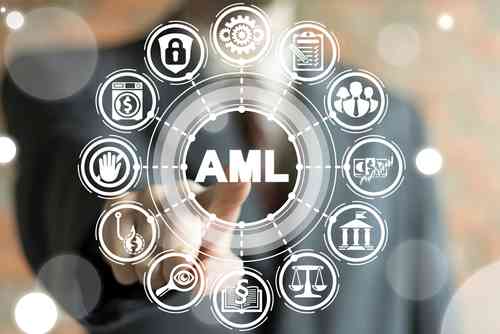
Money laundering is one of the most serious financial crimes in the modern world. It affects banks, businesses, governments, and even everyday financial transactions. With the rapid growth of digital payments, global banking systems, and online financial platforms, criminals now have more complex ways to hide illegal money.
In simple terms, money laundering is the process of converting illegal money into legitimate funds so that it can be used without suspicion. Criminals try to hide the real source of money obtained through activities such as fraud, corruption, drug trafficking, or tax evasion. Once the money appears legal, it can easily move through the financial system, making detection much harder for authorities and regulators.
Understanding money laundering is very important for professionals working in finance, internal audit, compliance, and risk management because organizations rely on them to identify suspicious activities and protect financial systems from illegal transactions.
What Does Money Laundering Mean?
Money laundering refers to the illegal process of disguising the origin of money obtained from criminal activities. The goal is to make “dirty money” appear as if it came from legitimate sources such as business income or investments.
Criminals cannot openly use money gained from illegal activities because large or unusual transactions may attract attention from financial institutions or regulators. Therefore, they pass the money through different financial channels and transactions to hide its true origin.
Once the process is complete, the funds appear legitimate and can be freely used for purchasing property, investing in businesses, or transferring across countries.
Why Criminals Use Money Laundering
There are several reasons why criminals use money laundering techniques.
First, it helps them hide the original source of illegal funds. Without laundering, authorities could easily trace the money back to criminal activities.
Second, it allows criminals to move money across the global financial system without raising suspicion. By creating complex transactions and multiple accounts, they reduce the chances of detection.
Third, once the money appears legitimate, it can be reinvested in businesses, real estate, or other financial assets.
Because of these risks, governments and financial institutions around the world have created strict Anti-Money Laundering (AML) laws and monitoring systems to detect suspicious financial activities.
The Three Main Stages of Money Laundering
Money laundering typically happens in three major stages. Each stage plays a role in hiding the illegal source of money.
1. Placement
Placement is the first stage of money laundering. In this stage, criminals introduce illegal money into the financial system. This is usually done through bank deposits, cash-intensive businesses, or digital payment platforms.
Since the money is closest to its criminal source at this stage, it is also the easiest stage for authorities to detect suspicious activity.
2. Layering
Layering is the most complex part of the process. Here, criminals move money through multiple financial transactions to hide its origin. They may transfer funds between several bank accounts, use shell companies, or conduct international transactions.
The purpose of layering is to create confusion and make it difficult for investigators to trace the money back to the original crime.
3. Integration
Integration is the final stage of money laundering. In this stage, the money re-enters the economy as apparently legitimate income. Criminals may invest the funds in real estate, businesses, or luxury assets.
Once the money reaches this stage, it becomes extremely difficult to identify its illegal origin because it now appears as part of normal financial activity.
Common Methods Used for Money Laundering
Criminals use different techniques to launder money depending on the financial system and regulatory environment. Some common methods include using shell companies, structuring transactions into smaller deposits, and manipulating trade invoices.
Another common method is using cash-intensive businesses such as restaurants or entertainment venues where illegal money can easily be mixed with legitimate revenue. With the rise of digital finance, criminals also use online wallets, cryptocurrencies, and international transfers to move funds quickly across borders.
These evolving techniques make it more challenging for regulators and financial institutions to detect suspicious transactions.
How Financial Institutions Prevent Money Laundering
To combat money laundering, financial institutions implement strong Anti-Money Laundering (AML) measures. These include verifying customer identities through Know Your Customer (KYC) procedures, monitoring transactions for unusual activity, and reporting suspicious transactions to regulators.
Banks also use advanced technology and analytics tools to track financial patterns and identify risks. In addition, professionals working in audit, compliance, and financial crime prevention are trained to recognize warning signs of money laundering.
Conclusion
Money laundering is a serious financial crime that threatens the stability of the global financial system. By disguising illegal money as legitimate income, criminals can continue illegal operations and avoid detection.
Understanding how money laundering works, including its stages and common techniques, is essential for professionals in finance, compliance, and internal audit. As financial systems become more digital and interconnected, the need for skilled professionals who can detect and prevent financial crime will continue to grow.

 English
 Arabic
 French
 Spanish
 Portuguese
 Turkish
 Dutch
Dutch
 Italiano
 Russian
 Romaian
 Portuguese (Brazil)
 Greek
Greek
