


 Downloader
 Free FTP
Promote Your Product
Got a product, service, or story to share? Promote it directly to our active community and boost your brand today.
Create an Ad
Publish Bulk Blog Posts
Boost Your Reach! 📝
Have articles, guest posts, or bulk stories to publish? Send your content directly to our editorial team and feature on our platform.
Email Us Your PostsWhy Do Hospitals Use Disposable Infusion Set Systems Today
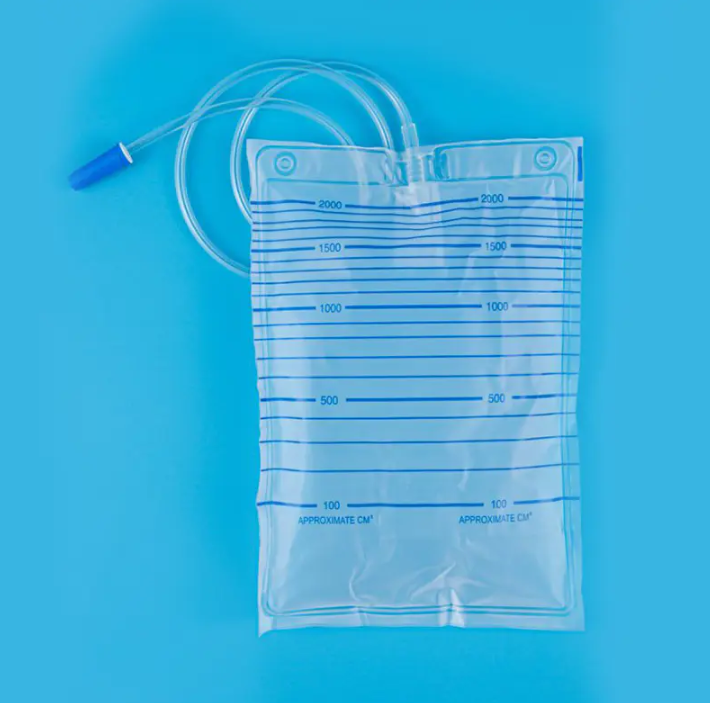
Daily medical treatment often relies on equipment designed for safe and efficient fluid management. A Disposable Infusion Set used together with a Waste Liquid Bag forms part of many routine procedures in hospitals, clinics, and outpatient treatment rooms. These devices help medical staff manage intravenous therapy while also handling fluids that must be collected and removed after treatment. Their simple structure and single-use nature allow healthcare workers to focus on patient care while maintaining hygienic conditions.
Intravenous therapy remains widely used for hydration, medication delivery, and nutritional support. Patients receiving antibiotics, electrolyte solutions, or other intravenous medications often depend on infusion systems that allow precise fluid flow. A disposable infusion set typically includes tubing, a drip chamber, a flow regulator, and a needle or connector designed to link with the intravenous catheter.
Healthcare environments prioritize sterility, and disposable equipment supports this requirement effectively. Since each infusion set is designed for single use, the risk of contamination from repeated handling is reduced. Medical staff can open sterile packaging immediately before treatment and discard the device after use.
Fluid disposal also forms an important part of clinical operations. Procedures involving drainage, irrigation, or suction may produce liquid waste that requires careful handling. A waste liquid bag provides a sealed container where these fluids can be collected safely before disposal. Hospitals often use such bags in combination with suction equipment, surgical drainage systems, or bedside fluid management setups.
The design of a disposable infusion set focuses heavily on ease of use. Transparent tubing allows nurses to monitor fluid movement and check for air bubbles during infusion. The drip chamber enables visual observation of the flow rate, which helps maintain steady administration of medication. Flow regulators allow adjustments to match the prescribed infusion speed.
Comfort for patients remains an important consideration as well. Flexible tubing reduces tension on the catheter insertion site, which can help patients move slightly without disturbing the infusion line. Smooth connectors also allow secure attachment to different types of intravenous access devices.
Manufacturing processes behind these medical devices involve several stages of precision production. Medical-grade plastics are selected to ensure compatibility with various solutions used during therapy. Tubing materials must remain flexible while also maintaining structural integrity throughout the infusion process.
Production facilities typically use automated assembly lines to ensure consistent quality. Components such as drip chambers, connectors, and regulators are assembled under controlled conditions. Sterilization processes follow assembly to ensure that each device reaches healthcare providers in a sterile state.
Waste liquid bags also receive careful design attention. These bags usually include measurement markings so healthcare staff can estimate the volume of collected fluid. Some models feature anti-reflux valves that help prevent backflow, maintaining hygiene during fluid handling.
Sealed connectors and reinforced seams help prevent leakage, which is essential when handling potentially contaminated fluids. Hospitals often transport these bags to designated disposal areas after use, following strict medical waste management protocols.
Clinical settings vary widely, and infusion equipment must adapt to different environments. Emergency departments may rely on rapid infusion setups during acute care situations. Outpatient clinics frequently use infusion systems for treatments that allow patients to return home shortly afterward.
Home healthcare has also become more common in many regions. Patients receiving long-term therapies sometimes continue intravenous treatments outside hospital settings under professional supervision. Disposable infusion sets provide a convenient solution because they arrive pre-sterilized and ready for use.

 English
 Arabic
 French
 Spanish
 Portuguese
 Deutsch
 Turkish
 Dutch
Dutch
 Italiano
 Romaian
 Portuguese (Brazil)
 Greek
Greek
