


 Downloader
 Free FTP
What Is Bagging Auxiliary Equipment and How Does It Improve Packaging Lines
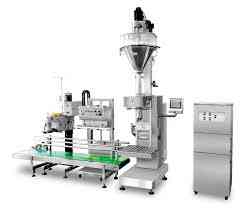
In modern manufacturing and packaging operations, efficiency and accuracy are critical. Companies like Glzon Equipment Co., Ltd are helping businesses optimize their production lines by providing advanced bagging auxiliary equipment, which plays a vital role in streamlining packaging processes. These machines work alongside primary bagging systems to enhance speed, precision, and reliability, ensuring products are packaged consistently and safely.
Understanding Bagging Auxiliary Equipment
Bagging auxiliary equipment refers to a set of machines and devices that support primary bagging systems. While primary bagging machines fill and seal products into bags, auxiliary equipment handles tasks like bag feeding, weighing, labeling, counting, and palletizing. Essentially, this equipment acts as a bridge between the bagging process and the rest of the packaging or shipping line.
Common types of bagging auxiliary equipment include:
-
Bag feeders – Automatically feed empty bags into the bagging machine.
-
Weighing and dosing systems – Ensure accurate product quantities in each bag.
-
Bag conveyors – Transport filled bags to the next stage of packaging.
-
Checkweighers and metal detectors – Maintain product quality and safety.
-
Palletizers and stretch wrappers – Organize and secure bags for storage or shipping.
How Bagging Auxiliary Equipment Improves Packaging Lines
1. Increased Efficiency and Speed
By automating supporting tasks, bagging auxiliary equipment reduces manual labor and eliminates bottlenecks in the packaging line. For example, automatic bag feeders supply bags continuously, allowing the primary machine to operate without interruption. This improves throughput and helps businesses meet production targets faster.
2. Enhanced Accuracy and Consistency
Auxiliary equipment like weighing and dosing systems, ensures that every bag contains the exact product quantity. Checkweighers and metal detectors further maintain product standards. Consistent packaging improves customer satisfaction, reduces waste, and ensures compliance with industry regulations.
3. Reduced Labor Costs
Automating auxiliary tasks reduces the need for manual intervention. Operators no longer need to handle every bag manually, lowering labor costs and freeing staff to focus on more skilled tasks. This also minimizes human error, which can lead to costly mistakes.
4. Improved Safety and Ergonomics
Handling heavy bags manually can lead to workplace injuries. Bagging auxiliary equipment, such as conveyors and palletizers, minimizes physical strain on workers and creates a safer, more ergonomic work environment.
5. Seamless Integration with Packaging Lines
Modern bagging auxiliary equipment is designed to integrate smoothly with existing bagging machines and production lines. Programmable settings, sensors, and automated controls ensure synchronization with primary machines, allowing for a seamless, high-performance operation.
6. Sustainability Benefits
Optimized use of bags, accurate dosing, and reduced product waste make packaging operations more sustainable. Many auxiliary systems are designed to work with eco-friendly materials and minimize energy consumption, aligning with modern business sustainability goals.
Conclusion
Bagging auxiliary equipment is more than just support machinery; it’s an essential part of a modern, efficient packaging line. By improving speed, accuracy, safety, and sustainability, this equipment helps businesses enhance their operations and stay competitive in demanding markets. Investing in reliable auxiliary systems ensures smoother production, better product protection, and long-term cost savings.
FAQs
1. What does bagging auxiliary equipment include?
It includes machines like bag feeders, conveyors, weighers, checkweighers, metal detectors, palletizers, and labeling systems that support primary bagging machines.
2. How does it improve packaging efficiency?
Automating supporting tasks reduces manual labor, eliminates bottlenecks, and allows continuous operation of the primary bagging machine.
3. Can it help reduce product waste?
Yes, weighing and dosing systems ensure accurate product quantities, reducing overfilling or underfilling, and minimizing material waste.
4. Is it safe for warehouse workers?
Absolutely. Automation reduces physical strain from manual bag handling, creating a safer and more ergonomic workplace.
5. Which industries benefit most from bagging auxiliary equipment?
Industries such as food and beverage, agriculture, chemicals, pharmaceuticals, and logistics benefit significantly due to high-volume bagging requirements.

 English
 Arabic
 French
 Spanish
 Portuguese
 Deutsch
 Dutch
Dutch
 Italiano
 Russian
 Romaian
 Portuguese (Brazil)
 Greek
Greek
