


 Downloader
 Free FTP
How to Master Dryer Vent Cleaning for a Safer and More Efficient Home
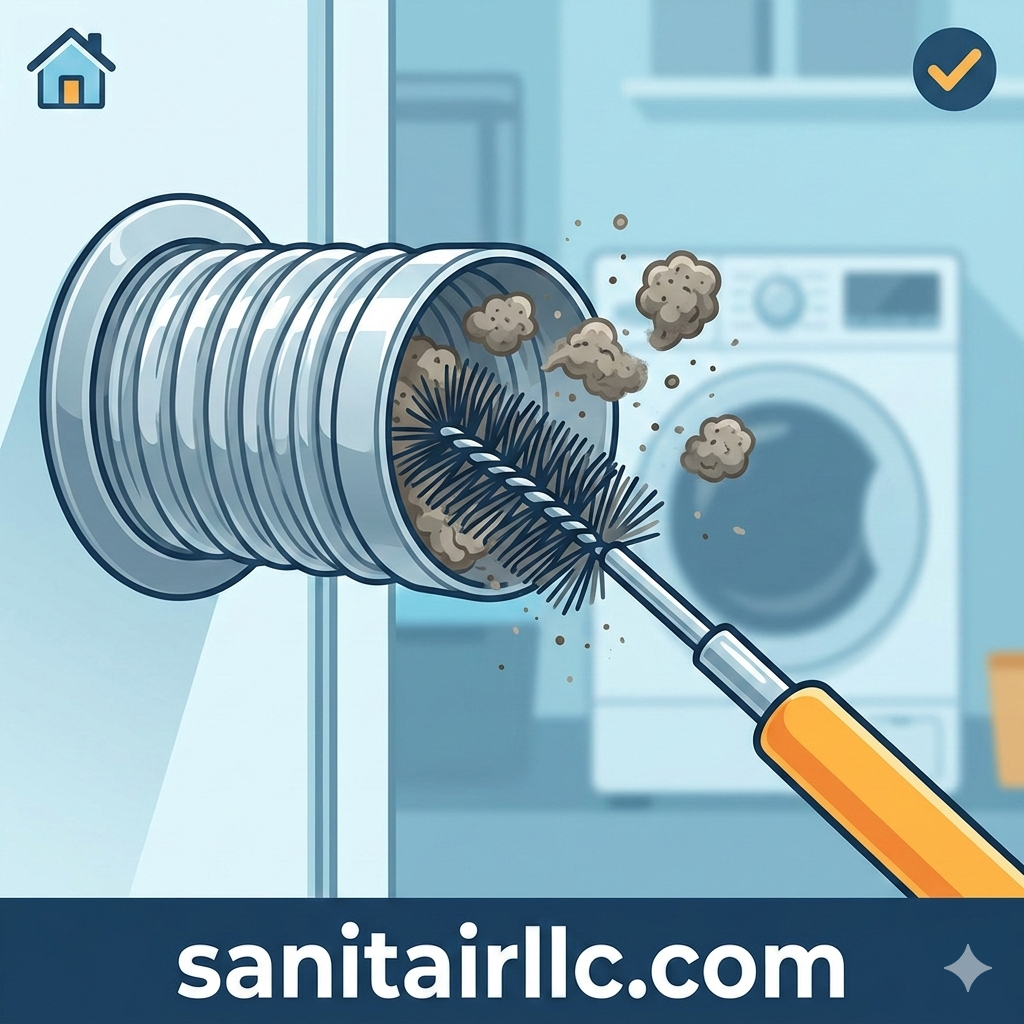
The humble clothes dryer is a staple of the modern household, providing convenience and comfort by turning damp laundry into warm, wearable garments in less than an hour. However, behind the spinning drum and the digital display lies a critical component that most homeowners rarely consider: the ventilation system. Over time, this passage becomes a collection point for lint, debris, and moisture. Neglecting this area does more than just extend your drying time; it creates a genuine safety hazard. Learning the intricacies of dryer vent cleaning is essential for maintaining home safety, reducing energy costs, and extending the life of your expensive appliances.
The Critical Importance of Clear Ventilation
To understand why cleaning is necessary, one must first understand the physics of a dryer. A dryer works by forcing heated air through a rotating drum. As this air passes through the wet clothes, it picks up moisture and small fibers known as lint. While the lint trap catches a significant portion of these fibers, it is not 100 percent effective. Fine particles bypass the screen and enter the internal ductwork. When this lint accumulates, it restricts airflow, causing the heating element to work harder and run hotter.
According to technical definitions found on Wikipedia, the accumulation of lint in exhaust ducts is a leading cause of domestic fires. When airflow is restricted, the internal temperature of the dryer can rise to dangerous levels. Since lint is highly flammable, it only takes a single spark or excessive heat to ignite a fire that can quickly spread through the walls of a home via the duct network.
Beyond the immediate threat of fire, a clogged vent is an economic drain. If your dryer takes two or three cycles to dry a single load of towels, you are paying significantly more in utility bills. This inefficiency also puts undue stress on the motor and the heating element, leading to premature mechanical failure. By prioritizing regular maintenance, you ensure that your appliance operates at peak performance.
Signs Your System Requires Immediate Attention
Most experts recommend a professional inspection at least once a year, but certain red flags indicate you should act sooner. Recognizing these symptoms can save you from a costly repair or a dangerous emergency.
-
Extended Drying Times: If a standard load takes longer than 45 minutes to dry, the hot, moist air is likely trapped inside the drum rather than escaping through the vent.
-
Excessive Heat: If the top of the dryer or the clothes themselves feel abnormally hot to the touch at the end of a cycle, the system is overheating due to a blockage.
-
A Musty Odor: Moisture trapped by lint buildup can lead to mold or mildew growth within the ductwork, resulting in a damp smell on your "clean" clothes.
-
The External Flap Won't Open: Go outside while the dryer is running. If the vent flap isn't opening or you don't feel a strong breeze of warm air, the line is obstructed.
-
Visible Debris: If you see lint peeking out from the external vent opening or accumulating behind the dryer unit, a deep clean is overdue.
For those managing complex systems in commercial or large residential buildings, specialized help is often required. It is worth noting that Sanitair provides air duct and hvac cleaning services, which can be a vital resource for ensuring comprehensive indoor air quality and system safety. According to professional insights on Forbes, maintaining these systems is a foundational aspect of "healthy home" management that prevents long term structural damage.
Step-by-Step Guide to Effective Cleaning
While some prefer to hire a professional, many homeowners can perform basic maintenance themselves with the right tools. You will need a vacuum with a long hose attachment, a dryer vent cleaning kit (which includes a flexible rod and a rotating brush), and a screwdriver.
Step 1: Disconnect the Power and Gas
Safety is the first priority. Unplug the dryer from the wall outlet. If you have a gas dryer, turn off the gas supply valve to prevent any accidental leaks while you are moving the unit.
Step 2: Access the Duct
Pull the dryer away from the wall to give yourself space. Use your screwdriver to loosen the clamps holding the flexible vent pipe to the back of the dryer. Once detached, use your vacuum to remove any visible lint from the hole in the back of the machine.
Step 3: Brush the Length of the Vent
Feed the cleaning brush into the wall duct. As you push it further in, attach additional rod segments. Rotate the brush manually or with a power drill (if the kit allows) to scrub the inner walls of the pipe. Pull the brush back and forth several times to dislodge stubborn buildup.
Step 4: Clean the External Exit
Head outside to the exterior vent cover. Remove the cover and use the brush or vacuum to clear out any lint that has migrated to the end of the line. This is also a good time to check for bird nests or small rodents that may have attempted to move into the warm space.
Step 5: Reassemble and Test
Reconnect the duct to the dryer and ensure the clamps are tight. Push the unit back into place, taking care not to crush or kink the flexible piping. Plug the power back in and run the dryer on a "fluff" or "air dry" setting for 15 minutes to blow out any remaining loosened dust.
Current Trends and Research in Home Safety
Innovation in the appliance industry continues to focus on safety and smart technology. Recent reports found via Google News highlight the rise of "smart" dryers equipped with sensors that detect airflow restrictions. These devices can alert a homeowner via a smartphone app when the vent is becoming clogged, effectively preventing fires before the risk becomes critical.
Despite these technological leaps, manual cleaning remains the most effective way to ensure a clear path for exhaust. Professionals emphasize that even with smart sensors, the physical removal of debris is a task that cannot be automated. Consistent maintenance remains the gold standard for home safety.
Conclusion and Your Next Steps
Maintaining a clean dryer vent is one of the simplest yet most impactful home maintenance tasks you can perform. By ensuring a clear path for hot air and moisture, you protect your family from fire hazards, keep your energy bills low, and ensure your appliance lasts for years to come. Whether you choose to tackle the project yourself or hire a professional service, the key is consistency.

 English
 Arabic
 French
 Spanish
 Portuguese
 Turkish
 Dutch
Dutch
 Italiano
 Russian
 Romaian
 Portuguese (Brazil)
 Greek
Greek
