


 Downloader
 Free FTP
How Can You Make Your Foods Look as Good as They Taste?
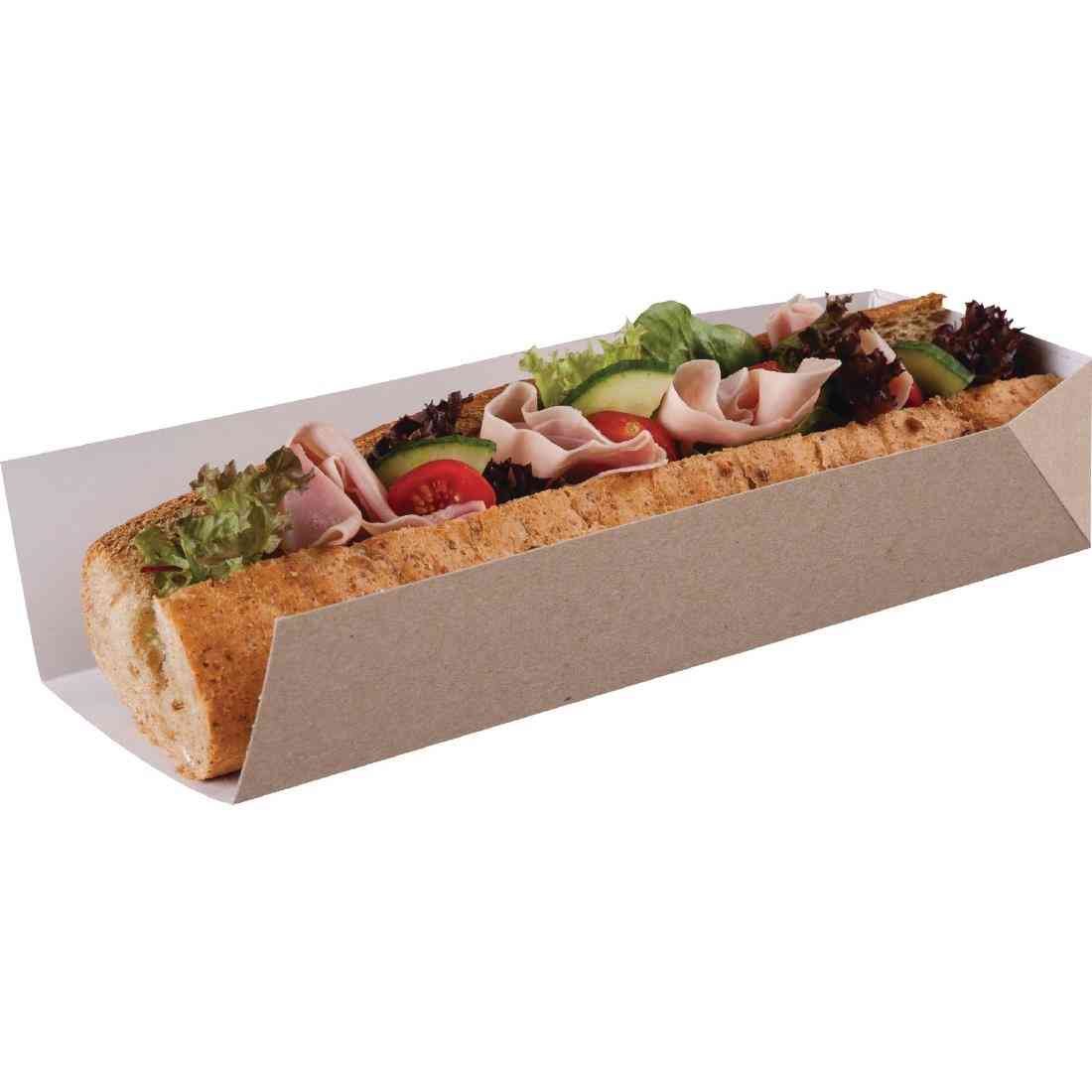
People eat with their eyes first before even taking one single bite of anything. Plain plating makes delicious food seem less appetizing and worth eating to anyone looking. Learning simple tricks transforms regular home cooking into restaurant quality presentations that impress guests. Most cooks never think about how things look on plates when serving family dinners. Small changes in arrangement and color make huge differences in how people react excitedly. You don't need fancy skills or expensive tools to make better looking dishes today. These easy methods work for everyday cooking without adding extra time or complicated steps.
Why Does Color Variety Matter On Plates?
Mixing different colored foods creates visual interest that plain brown plates cannot achieve ever. Green herbs next to orange carrots and white potatoes look way more appealing naturally. Bright colors signal freshness and nutrition making people want to eat what you made. Single color foods seem boring even when they taste amazing after the first few bites. Adding colorful garnishes takes seconds but changes the entire appearance dramatically for better results. Food Presentation relies heavily on color contrasts that make each ingredient stand out clearly.
How Should You Arrange Items For Best Effect?
Odd numbers like three or five pieces look more natural than even groupings somehow. Stacking foods adds height creating dimension instead of flat boring plates everyone dislikes seeing. Leaving empty space around edges frames your creation like art in a museum carefully. Sauce drizzled artistically instead of dumped shows effort and care about the final result always. Leaning one item against another creates movement drawing eyes across the entire plate naturally forward. Simple placement choices separate amateur cooking from professional looking dishes people imagine and share.
What Kitchen Items Help Create Better Presentations?
White plates act as blank canvases letting food colors pop without distracting patterns competing. Squeeze bottles let you control sauce placement making dots or lines precisely where wanted. Tweezers help position small garnishes exactly right without fingers smudging everything messily around. Ring molds shape rice or grains into perfect circles that hold form beautifully. Offset spatulas smooth frosting or spread components evenly across surfaces without tearing anything apart. Restaurants across the USA use these basic tools daily creating presentations. Customers happily pay premium prices.
Why Does Garnishing Make Such A Big Difference?
Fresh herbs add green color and signal you used real ingredients not frozen processed. Microgreens provide delicate texture contrasting with heavier main components on the same plate nicely. Edible flowers bring unexpected beauty making ordinary dishes seem fancy and special instantly today. Citrus zest adds bright specks of color while boosting flavor at the same exact time. Toasted nuts or seeds provide crunch and visual texture breaking up soft mushy foods. Custom hot dog trays with logos from suppliers let casual foods look intentional and professionally presented.
How Can Sauces Improve Visual Appeal Dramatically?
Swooshes made by dragging a spoon through sauce create motion and artistic flair easily done. Dots placed strategically around the plate add interest without overwhelming the main food you worked making. Pools underneath items anchor them while adding moisture and flavor to each single bite. Drizzles over top draw attention upward highlighting key ingredients you want people noticing first. Contrasting sauce colors against food creates definition so everything doesn't blend together looking muddy. Companies like Wax Papers Hub provide serving papers that absorb excess sauce preventing soggy messy presentations.
What Plating Mistakes Should You Always Avoid?
Overcrowding plates makes everything look sloppy and overwhelming to people trying to eat. Messy edges with sauce smears or food bits suggest carelessness throughout the entire cooking process. Wilted garnishes signal old ingredients or dishes sitting too long before serving them finally. Uneven portions make people wonder why some got more food than others at the table. Temperature mixing cold and hot items on the same plate confuses taste buds expecting consistency. Food Presentation suffers when you rush final steps after spending hours cooking perfectly otherwise.
Why Does Height Add Interest To Flat Foods?
Vertical stacking creates drama making simple ingredients seem more impressive and restaurant worthy now. Tall presentations are better for social media posts people love sharing with their friends. Layers reveal different components inviting diners to discover what hides underneath top items. Height uses plate space efficiently letting you serve the same portions looking more abundant somehow. Leaning or propping items at angles creates unstable tension that seems artistic and intentional.
How Do Different Plate Shapes Change Presentation?
Square plates feel modern and contemporary compared to traditional round ones everyone uses normally. Rectangular platters work great for family style serving showing off multiple items at once. Bowl shapes concentrate saucy dishes preventing liquids from spreading everywhere across flat surfaces messily. Slate or wood boards bring rustic casual vibes to comfort foods people eat regularly. Choosing the right vessel for specific dishes shows understanding beyond just dumping food anywhere available.
What Simple Finishing Touches Boost Any Dish?
Freshly cracked black pepper adds specks of color and signals you season things properly. Flaky sea salt crystals catch light creating sparkle while adding crunch to each bite. Fresh grated cheese looks better than pre shredded bags that never melt or clump right. Chopped fresh herbs scattered last minute stay vibrant green instead of turning brown quickly. Oil or butter brushed over proteins creates shine making them look juicy and appetizing. Food Presentation benefits from these final seconds of attention before plates leave your kitchen.
Why Does Consistent Practice Improve Your Skills?
Plating gets faster and easier each time you actually try instead of just slapping. Experimenting with different arrangements teaches what works for specific foods you cook often. Studying restaurant presentations online provides ideas you can copy and adapt at home. Taking photos of your plating helps you see mistakes and improvements over time clearly. Kids learning to plate their own food develops skills and pride in what they do. Food Presentation becomes second nature when you make it part of a regular cooking routine using branded wax papers for food wrapping.

 English
 Arabic
 French
 Spanish
 Portuguese
 Turkish
 Dutch
Dutch
 Italiano
 Russian
 Romaian
 Portuguese (Brazil)
 Greek
Greek
