


 Downloader
 Free FTP
Can the Haiou Machine Handle Gluten Free Pasta Dough?
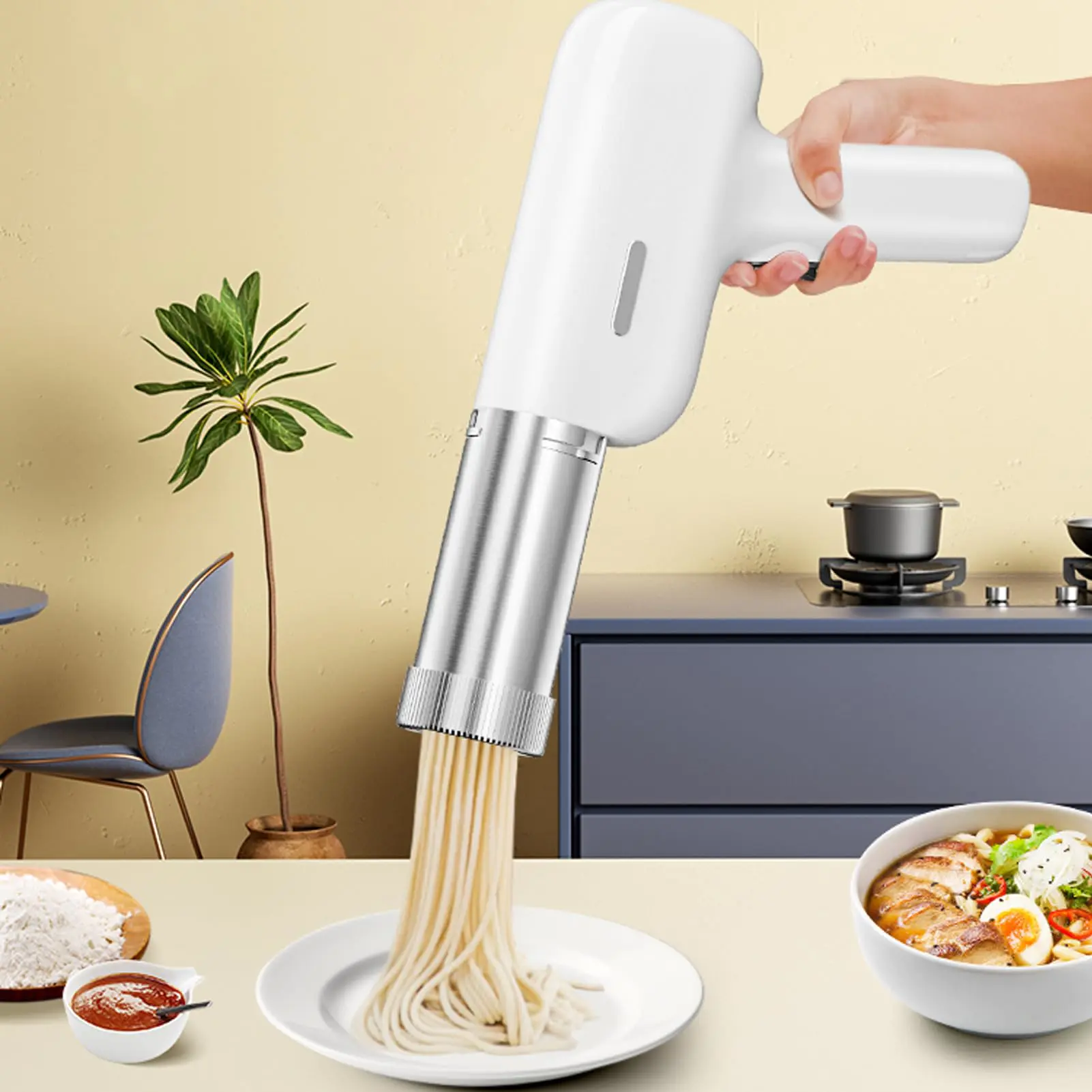
Fresh pasta has always held a special place in home cooking, but for those avoiding gluten, achieving that same satisfying result has traditionally required extra effort and a willingness to experiment. Advances in kitchen equipment have changed that picture considerably, and guidance shared by Electric Noodle Making Machine Manufacturers increasingly reflects how many home cooks are using electric machines to produce gluten free noodles that genuinely rival their wheat based counterparts in texture and taste.
The foundation of any successful gluten free pasta is the flour blend. Unlike wheat flour, which relies on gluten strands to hold the dough together and give it elasticity, gluten free flours need binding support from other ingredients. A combination of rice flour and tapioca starch is a widely used starting point. The rice flour provides body and a mild neutral flavour, while the tapioca starch contributes chew and helps the dough stretch without crumbling. Some cooks add a small amount of potato starch to soften the final texture. Getting the ratio right takes a few batches, but once you find a blend that works in your machine, the process becomes very repeatable.
Hydration is where gluten free dough diverges most sharply from standard pasta dough. Gluten free flour blends tend to absorb liquid differently, and the margin between dough that is too dry to press and dough that is too wet to hold shape is narrower. Eggs are a reliable binder in this context, providing both moisture and protein structure. For a firmer dough that handles rolling and cutting well, using whole eggs rather than just yolks tends to produce more consistent results. Adding liquid a small amount at a time and resting the dough for at least fifteen minutes after mixing allows the starches to fully hydrate before you run it through the machine.
The electric machine itself needs a little preparation when working with gluten free dough. Because this type of dough lacks the elasticity that gluten provides, it can crack at the edges when pressed too thin in a single pass. Starting at a wider roller setting and reducing thickness gradually over several passes is far gentler on the dough and produces a smoother sheet. Lightly dusting the dough with rice flour between passes prevents sticking without adding too much extra dryness. If the machine has adjustable speed settings, a slower feed rate gives the dough time to move through the rollers without tearing.
Cutting is the stage where gluten free pasta is most vulnerable. A freshly cut noodle made without gluten has less structural resilience than a wheat based one and benefits from a brief resting period on a lightly dusted surface before it goes into boiling water. Cooking time is also shorter for most gluten free noodles, and the water should be at a full rolling boil before the pasta is added. Overcooking turns gluten free noodles soft and gluey very quickly, so tasting early and pulling them from the water as soon as they are tender is the right approach.
Storage follows slightly different rules as well. Fresh gluten free pasta does not hold as well as dried pasta and is generally at its quality when cooked within a few hours of making. If you need to make it ahead, freezing portions on a tray before transferring them to a container preserves the texture better than refrigerating.
Electric Noodle Making Machine Manufacturers have noted a clear increase in demand for machines capable of handling alternative flour doughs, and the equipment available to home cooks today reflects that shift with more versatile roller settings and attachments suited to delicate doughs. For home cooks ready to invest in a machine that supports this kind of versatile cooking, a thoughtfully designed range of electric noodle machines is available at https://www.cnhaiou.com/product/ where you can review options suited to regular gluten free pasta preparation at home.

 English
 Arabic
 Spanish
 Portuguese
 Deutsch
 Turkish
 Dutch
Dutch
 Italiano
 Russian
 Romaian
 Portuguese (Brazil)
 Greek
Greek
