


 Downloader
 Free FTP
Which Wakefulness Medication Works Best for Daytime Sleepiness?
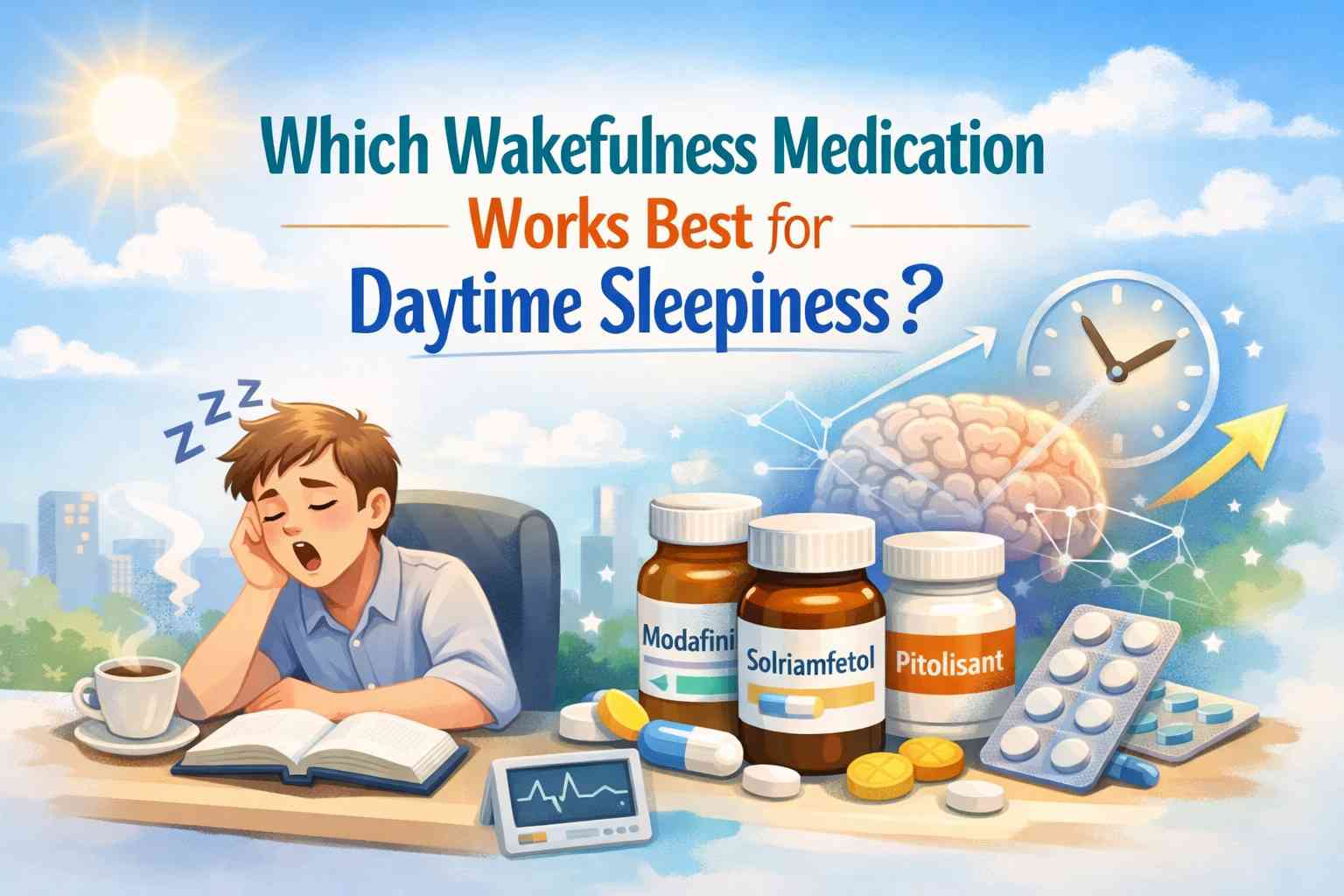
Excessive daytime sleepiness (EDS) is a common and disruptive condition that affects millions of people worldwide. It can occur due to sleep disorders such as narcolepsy, obstructive sleep apnea (OSA), shift work sleep disorder, or chronic sleep deprivation. People with this condition often struggle to stay awake during the day, experience reduced concentration, and may feel persistent fatigue even after a full night’s sleep.
Fortunately, several wakefulness-promoting medications are available to help manage daytime sleepiness and improve alertness. These medications work by influencing brain chemicals that regulate wakefulness and energy levels.
What is Excessive Daytime Sleepiness
Excessive daytime sleepiness is more than just feeling tired after a late night. It is a medical condition characterized by a strong and persistent urge to sleep during normal waking hours. Individuals with EDS may struggle to remain awake while working, studying, driving, or engaging in daily activities.
Common causes of daytime sleepiness include:
-
Narcolepsy
-
Obstructive sleep apnea (OSA)
-
Shift work sleep disorder
-
Chronic insomnia
-
Certain neurological or medical conditions
-
Sedating medications
When lifestyle changes and sleep hygiene improvements are not enough, doctors may prescribe medications that promote wakefulness.
How Wakefulness Medications Work
Wakefulness medications stimulate or regulate neurotransmitters in the brain responsible for alertness and attention. Many of these medications influence dopamine, norepinephrine, histamine, or other neural pathways that help maintain wakefulness.
Unlike traditional stimulants such as amphetamines, many modern wakefulness drugs are designed to promote alertness without producing strong stimulant effects or high addiction risk.
These medications are commonly known as wake-promoting agents or eugeroics.
Common Wakefulness Medications for Daytime Sleepiness
Several medications are approved or widely used to treat excessive daytime sleepiness.
1. Modafinil
Modafinil is one of the most widely prescribed medications for improving wakefulness. It is commonly used for narcolepsy, sleep apnea-related sleepiness, and shift work sleep disorder.
How it works
Modafinil affects dopamine transporters in the brain, increasing dopamine availability and promoting alertness.
Benefits
-
Improves concentration and mental clarity
-
Reduces daytime sleep episodes
-
Lower risk of addiction compared with traditional stimulants
Common side effects
-
Headache
-
Insomnia
-
Nausea
-
Nervousness
Typical doses range from 100–400 mg daily, depending on medical needs.
Modafinil is often considered the first-line treatment for many sleep disorders because of its balance between effectiveness and tolerability.
2. Armodafinil
Armodafinil is a newer version of modafinil that contains only the active R-enantiomer of the drug. This means it may stay active in the body longer and provide more sustained wakefulness.
Advantages
-
Longer duration of action
-
Similar effectiveness to modafinil
-
Improved alertness throughout the day
Typical doses range from 150–250 mg daily.
Some patients prefer armodafinil because it provides more consistent wakefulness with fewer afternoon crashes.
3. Solriamfetol
Solriamfetol is a newer wakefulness-promoting medication that works as a dopamine and norepinephrine reuptake inhibitor. It is approved for excessive sleepiness related to narcolepsy and obstructive sleep apnea.
Clinical studies suggest that solriamfetol may be more effective than older wakefulness medications in improving alertness and reducing sleepiness scores.
Benefits
-
Strong improvement in wakefulness
-
Rapid onset of action
-
Effective for severe daytime sleepiness
Possible side effects
-
Headache
-
Anxiety
-
Increased blood pressure
-
Nausea
Typical dosing is 75–150 mg once daily in the morning.
Some research indicates that solriamfetol produces the largest improvements in wakefulness tests and sleepiness scales among available medications.
4. Pitolisant
Pitolisant is a histamine-based wakefulness medication that works differently from modafinil and solriamfetol. It acts as a histamine-3 receptor antagonist, increasing histamine release in the brain, which promotes alertness.
Advantages
-
Non-stimulant mechanism
-
Low risk of dependency
-
Useful for narcolepsy with cataplexy
Typical doses range from 17.8–35.6 mg daily.
While pitolisant can significantly reduce sleepiness, some studies suggest it may work slightly slower or produce more gradual improvements compared with other medications.
Comparing the Effectiveness of Wakefulness Medications
Several clinical studies have compared wakefulness medications using measures like the Epworth Sleepiness Scale (ESS) and the Maintenance of Wakefulness Test (MWT).
Key findings from research include:
-
Solriamfetol often shows the greatest improvement in wakefulness scores.
-
Modafinil and armodafinil provide reliable improvements with a balanced safety profile.
-
Pitolisant is effective but may have slower or more moderate results in some patients.
In systematic reviews of clinical trials, all these medications improved daytime alertness compared with placebo, confirming their usefulness for treating sleep disorders.
Which Medication Works Best?
The “best” wakefulness medication varies depending on individual factors such as medical condition, tolerance, and lifestyle.
Best overall effectiveness
Solriamfetol often ranks highest in clinical studies for reducing daytime sleepiness and improving wakefulness tests.
Best first-line treatment
Modafinil remains the most commonly prescribed medication due to its long track record, effectiveness, and safety profile.
Best long-lasting option
Armodafinil may provide longer-lasting alertness compared with modafinil.
Best non-stimulant option
Pitolisant is a good alternative for individuals who cannot tolerate stimulant-like medications.
Choosing the Right Wakefulness Medication
Doctors consider several factors when selecting a treatment:
-
The underlying cause of daytime sleepiness
-
Severity of symptoms
-
Other medical conditions
-
Potential side effects
-
Drug interactions
-
Patient response to previous treatments
For example, someone with narcolepsy might respond well to pitolisant or modafinil, while a person with severe residual sleepiness from sleep apnea may benefit more from solriamfetol.
Lifestyle Strategies to Support Wakefulness
Medication alone is not always enough to manage daytime sleepiness. Doctors often recommend combining treatment with healthy lifestyle habits.
Helpful strategies include:
-
Maintaining a consistent sleep schedule
-
Getting 7–9 hours of sleep per night
-
Exercising regularly
-
Limiting alcohol and sedating medications
-
Managing stress and mental health
-
Taking scheduled short naps if recommended
These habits can enhance the effectiveness of wakefulness medications and improve overall sleep quality.
Safety and Medical Guidance
Although wakefulness medications can be highly effective, they should only be used under medical supervision. These drugs may interact with other medications and can produce side effects in some individuals.
Before starting any treatment, a healthcare professional may conduct sleep studies, medical evaluations, or blood tests to determine the cause of daytime sleepiness.
Self-medication or misuse of wakefulness drugs can lead to unwanted health risks.
Conclusion
Excessive daytime sleepiness can significantly affect daily life, productivity, and overall well-being. Fortunately, several medications can help restore alertness and improve daytime functioning.
Among the available options, modafinil and armodafinil remain popular first-line treatments, while solriamfetol has shown the strongest effectiveness in clinical studies. Pitolisant offers a unique non-stimulant approach for individuals who need an alternative therapy.
The best wakefulness medication ultimately depends on individual needs, medical history, and response to treatment. With proper medical guidance and healthy lifestyle practices, people struggling with daytime sleepiness can regain focus, energy, and improved quality of life.

 English
 Arabic
 French
 Spanish
 Portuguese
 Turkish
 Dutch
Dutch
 Italiano
 Russian
 Romaian
 Portuguese (Brazil)
 Greek
Greek
