


 Downloader
 Free FTP
PATH Act 2026: Updates and Implications for Tax Filers
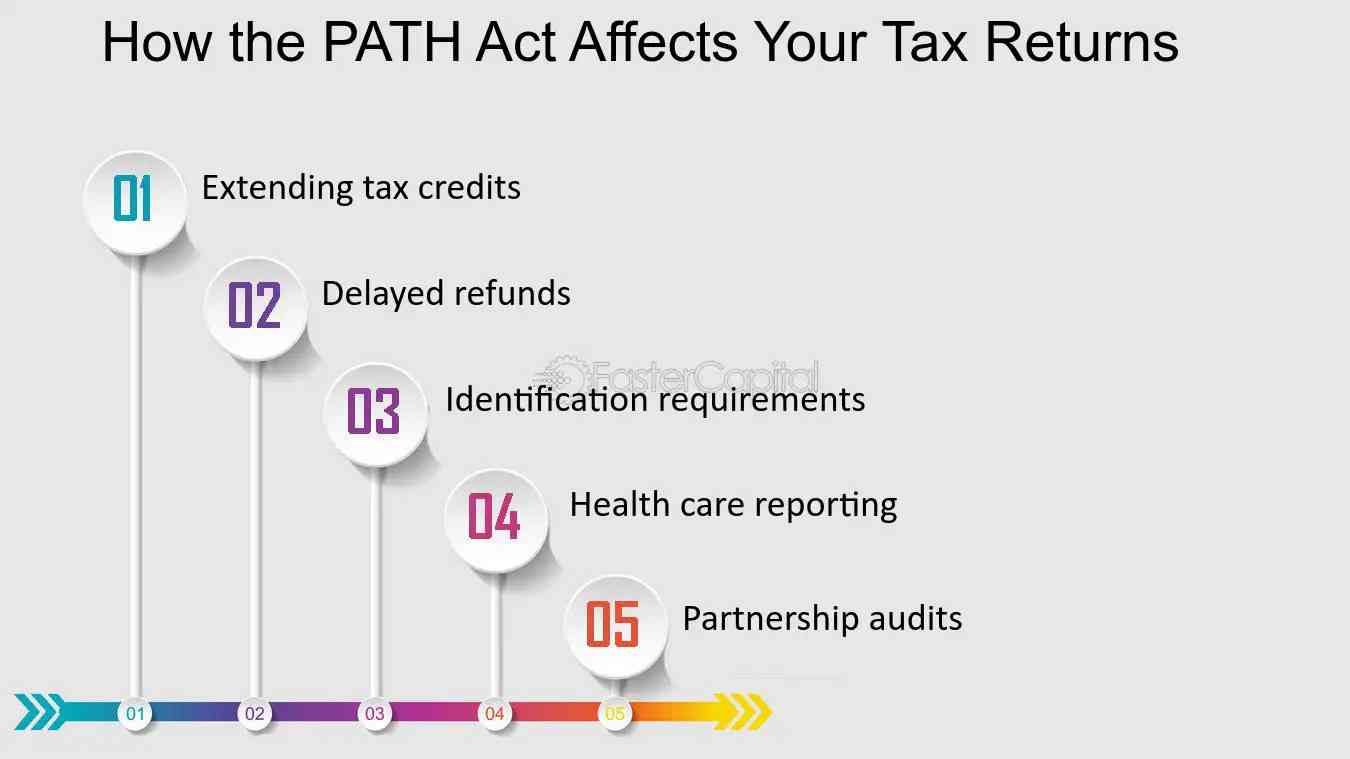
Tax laws in the United States are regularly updated to strengthen compliance, reduce fraud, and improve the overall efficiency of the tax system. One important piece of legislation that has had a major impact on tax credits and refund processing is the Protecting Americans from Tax Hikes Act, commonly known as the Protecting Americans from Tax Hikes Act of 2015.
The PATH Act introduced several provisions aimed at protecting taxpayers, preventing fraudulent refund claims, and making certain tax benefits permanent. For both taxpayers and businesses, understanding how this law works is essential for effective tax planning and compliance.
What Is the PATH Act?
The Protecting Americans from Tax Hikes (PATH) Act was signed into law in December 2015. The main purpose of the legislation was to extend several tax credits that were previously temporary and introduce measures to reduce tax refund fraud.
The law also introduced stricter verification procedures for certain refundable tax credits. These changes were designed to ensure that refunds are issued only after proper verification of income and eligibility.
For taxpayers and businesses, the PATH Act brought both benefits and adjustments to the tax filing process, particularly related to refund timing and tax credit claims.
Key Objectives of the PATH Act
The PATH Act was created to address several important issues in the U.S. tax system. Its main objectives include:
-
Preventing tax refund fraud
-
Making certain tax credits permanent
-
Improving verification of tax credit claims
-
Supporting individuals and businesses with stable tax benefits
By implementing these changes, the legislation aimed to create a more secure and predictable tax environment.
Impact on Tax Refund Processing
One of the most widely known effects of the PATH Act is the delay in processing certain tax refunds. The law requires the Internal Revenue Service to hold refunds that include specific refundable tax credits until additional verification checks are completed.
Taxpayers claiming credits such as the Earned Income Tax Credit or the Additional Child Tax Credit often experience delayed refunds as a result.
The IRS typically holds these refunds until mid-February each year to allow time for income verification and fraud prevention checks. While this delay may be inconvenient for some taxpayers, it plays a critical role in protecting the integrity of the tax system.
Permanent Tax Credits for Businesses
Another significant feature of the PATH Act is that it made several important business tax credits permanent. Previously, many of these incentives were temporary and required frequent renewal by Congress.
Some of the key provisions include:
-
Permanent extension of the research and development (R&D) tax credit
-
Expanded benefits for small businesses using the R&D credit
-
Improvements to depreciation and equipment investment incentives
For businesses, these changes provide greater certainty when planning investments, hiring employees, and developing new technologies.
Benefits for Small Businesses
Small businesses gained several advantages under the PATH Act. The permanent extension of the research and development credit allows small companies to claim tax benefits for innovation and product development.
Additionally, certain small businesses can apply the R&D credit against payroll taxes, which provides immediate financial relief and encourages continued growth.
These provisions support entrepreneurship and make it easier for smaller organizations to invest in new ideas without facing heavy tax burdens.
Fraud Prevention Measures
Tax refund fraud had become a significant challenge for the U.S. tax system before the PATH Act was implemented. Fraudsters often filed early tax returns using stolen identities to claim refunds before the IRS could verify income information.
The PATH Act introduced stronger safeguards to address this problem. By delaying refunds related to refundable credits and requiring additional verification checks, the law helps prevent fraudulent claims and protects legitimate taxpayers.
Employers are also required to submit wage and income statements earlier, allowing the IRS to cross-check information before issuing refunds.
What Taxpayers Should Know
Taxpayers claiming certain refundable credits should be aware of the PATH Act’s refund timing rules. Even if they file their returns early, refunds may still be delayed due to mandatory verification procedures.
To avoid issues during the filing process, taxpayers should ensure that:
-
All income information is accurate
-
Tax forms are complete and correctly submitted
-
Employer-provided wage statements match reported income
Filing accurate returns and keeping proper documentation can help ensure smoother refund processing.
Importance for Tax Professionals
For accountants, tax preparers, and financial advisors, understanding the PATH Act is essential for providing accurate guidance to clients.
Tax professionals must educate clients about potential refund delays and help them plan accordingly. They should also ensure that tax credit claims meet eligibility requirements and that all supporting documentation is properly maintained.
By staying informed about PATH Act provisions, tax professionals can reduce errors, prevent compliance issues, and provide better service to their clients.
Long-Term Impact of the PATH Act
Since its introduction, the PATH Act has played an important role in strengthening the U.S. tax system. By making key tax credits permanent and implementing fraud prevention measures, the law has created a more stable and secure tax environment.
Businesses benefit from greater certainty in tax planning, while taxpayers receive stronger protection against identity theft and fraudulent refund claims.
Although refund delays for certain credits may cause temporary inconvenience, the overall goal of the legislation is to maintain fairness and integrity within the tax system.
Conclusion
The Protecting Americans from Tax Hikes Act of 2015 is a significant tax reform that affects both individuals and businesses. From refund processing delays to permanent tax credits and fraud prevention measures, the PATH Act has reshaped several aspects of the U.S. tax filing process.
Understanding how the law works helps taxpayers prepare for potential refund delays and ensures compliance with tax credit requirements. For businesses, the PATH Act provides valuable tax incentives and long-term financial planning opportunities.
By staying informed about PATH Act provisions and working with knowledgeable tax professionals, taxpayers and organizations can navigate the tax system more effectively while maximizing available benefits.

 English
 Arabic
 French
 Spanish
 Portuguese
 Deutsch
 Turkish
 Italiano
 Russian
 Romaian
 Portuguese (Brazil)
 Greek
Greek
