


 Downloader
 Free FTP
Why Clutch Release Bearings Fail Too Early
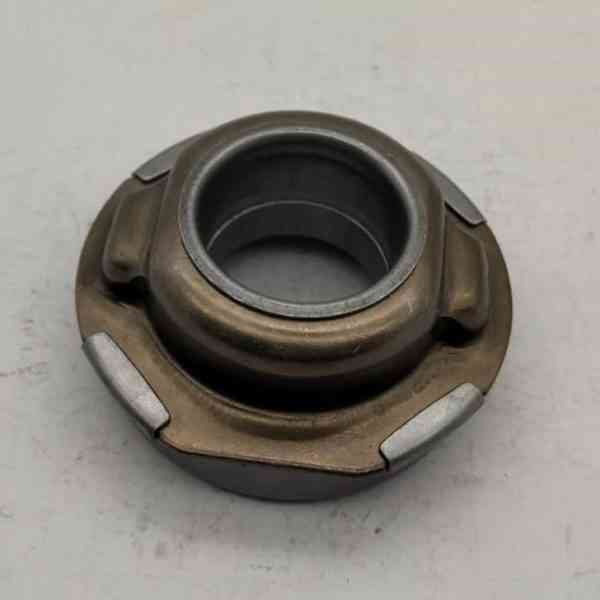
In modern vehicles, the clutch system plays a vital role in controlling power transfer from the engine to the transmission. Every time a driver presses the clutch pedal, several internal components work together to disconnect and reconnect the engine from the gearbox. One of the most important parts in this system is the clutch release bearing.
The clutch release bearing, sometimes called the throw-out bearing, allows smooth engagement and disengagement of the clutch. It reduces friction between the pressure plate and the clutch fork while the clutch pedal is pressed. Although it is a small component, it has a significant impact on the overall performance of the vehicle’s transmission system.
However, many drivers and mechanics experience situations where the clutch release bearing fails earlier than expected. Early failure can cause noise, vibration, and difficulty in shifting gears. Understanding the reasons behind this problem can help vehicle owners maintain a reliable clutch system.
The Role of the Clutch Release Bearing
The clutch release bearing sits between the clutch fork and the pressure plate in the clutch assembly. Its main purpose is to apply pressure to the pressure plate when the clutch pedal is pressed. This action disengages the clutch disc from the flywheel and allows the driver to change gears smoothly.
During normal driving, the release bearing moves back and forth whenever the clutch pedal is used. Because of this constant movement and pressure, the bearing must be able to handle high levels of friction and mechanical stress.
When the release bearing operates properly, it ensures smooth clutch operation and protects other parts of the transmission system from excessive wear.
Continuous Pressure on the Bearing
One of the most common reasons for clutch release bearing failure is continuous pressure during driving. Some drivers develop a habit of resting their foot lightly on the clutch pedal even when they are not changing gears.
This practice is known as "riding the clutch." Even slight pressure on the pedal can keep the release bearing in contact with the pressure plate. As a result, the bearing remains under constant load instead of resting when the clutch is engaged.
Over time, this constant pressure increases friction and heat inside the bearing. The rolling elements and internal surfaces begin to wear faster, leading to premature failure.
Poor Lubrication Inside the Bearing
Lubrication plays an important role in the performance of any bearing. Inside a clutch release bearing, lubrication reduces friction between the rotating elements and prevents overheating.
If lubrication is insufficient or breaks down due to heat, the metal components inside the bearing can begin to rub against each other. This metal-to-metal contact increases friction and accelerates wear.
In some cases, lubrication may leak out or degrade over time due to high temperatures in the clutch housing. Once lubrication becomes ineffective, the bearing’s lifespan is significantly reduced.
Heat from the Clutch System
The clutch assembly generates a considerable amount of heat during operation. Friction occurs when the clutch disc connects and disconnects from the flywheel, especially during heavy traffic or frequent gear shifting.
This heat can gradually affect the performance of the clutch release bearing. High temperatures may cause the grease inside the bearing to lose its protective properties. In extreme cases, heat can also weaken the metal structure of the bearing components.
Vehicles that operate frequently in stop-and-go traffic often experience higher clutch temperatures, which increases the risk of bearing wear.
Misalignment in the Clutch Assembly
Another important factor that contributes to clutch release bearing problems is misalignment in the clutch system. The bearing must be perfectly aligned with the pressure plate and clutch fork to function correctly.
If the transmission components are not properly aligned, uneven pressure may be applied to the bearing during operation. This uneven force can cause abnormal wear on one side of the bearing.
Misalignment can occur due to improper installation, worn transmission parts, or structural stress in the clutch system. Over time, these issues may lead to vibration, noise, and premature bearing failure.
Contamination Inside the Clutch Housing
The clutch housing is designed to protect internal components from dirt and debris. However, in some situations, contaminants such as dust, moisture, or metal particles can enter the system.
When these particles reach the clutch release bearing, they may damage the smooth surfaces of the rolling elements and raceways. Even small particles can create scratches that increase friction during operation.
Contamination can also mix with lubrication inside the bearing, reducing its effectiveness and causing faster deterioration.
Warning Signs of a Failing Release Bearing
A worn clutch release bearing often shows several warning signs before complete failure occurs. Recognizing these symptoms early can help prevent more serious damage to the clutch system.
Common warning signs include:
-
Squealing or grinding noise when pressing the clutch pedal
-
Vibration felt through the clutch pedal
-
Difficulty shifting gears smoothly
-
Increased noise from the transmission area
-
Unusual resistance when pressing the clutch
If these signs appear, the clutch system should be inspected to prevent further mechanical problems.
Impact on the Transmission System
Although the release bearing is a small part, its failure can affect the entire clutch system. A damaged clutch release bearing may prevent the clutch from disengaging properly, making gear changes difficult.
In severe cases, continued operation with a faulty bearing can damage the pressure plate, clutch disc, or transmission input shaft. This can lead to expensive repairs and extended vehicle downtime.
For this reason, maintaining the health of clutch components is essential for reliable vehicle performance.
Conclusion
The clutch release bearing is a key component that ensures smooth operation of a vehicle’s clutch system. It helps disengage the clutch during gear shifts and reduces friction between moving parts.
However, premature failure can occur due to continuous pedal pressure, poor lubrication, excessive heat, mechanical misalignment, and contamination. These factors gradually damage the internal components of the bearing.
By understanding the causes of release bearing failure, drivers and technicians can better recognize early warning signs and protect the overall clutch system. Proper driving habits and quality components play an important role in maintaining long-lasting vehicle performance.

 English
 Arabic
 French
 Spanish
 Deutsch
 Turkish
 Dutch
Dutch
 Italiano
 Russian
 Romaian
 Portuguese (Brazil)
 Greek
Greek
