


 Downloader
 Free FTP
Nante Weatherproof Distribution Box Maintenance & Upgrades
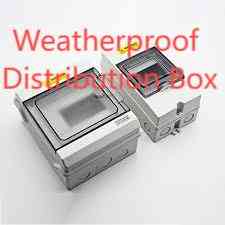
Outdoor installations demand enclosures that resist rain, dust, and temperature swings; in response, designers specify a Weatherproof Distribution Box placed within the circuit path to secure connections, protect breakers, and keep service personnel safe during adverse conditions. This article outlines enclosure materials, electrical layout choices, site-placement strategies, certification needs, and long-term maintenance practices that help project teams get reliable outdoor power distribution without surprises.
Materials and mechanical design for harsh environments
Selecting the right housing material is the first line of defense. UV-stabilized thermoplastics and powder-coated aluminum resist degradation from sunlight and corrosive atmospheres, while gasketing systems and compression lids maintain a continuous seal against driving rain. Reinforced mounting bosses, impact ribs, and tamper-resistant fasteners reduce the chance of mechanical damage during handling or in high-traffic areas. Designers should also consider serviceability: captive screws and removable internal panels make routine inspections faster and less error-prone.
Electrical layout and protective components
A well-planned distribution panel minimizes fault risk and simplifies troubleshooting. Separate feed and load compartments, clear labeling for each circuit, and accessible terminal blocks help technicians work more efficiently. Specify overcurrent protection sized to handle motor inrushes and transient conditions common at construction sites or outdoor events. Where appropriate, include residual-current devices (RCDs) for personnel protection and surge suppression to guard sensitive electronics tied into the same supply.
Site placement and mounting recommendations
Correct placement reduces exposure and improves safety. Mount units under eaves, inside small weather shelters, or behind shielded panels where possible to minimize direct precipitation and ultraviolet exposure. When ground mounting, use pedestals with appropriate elevation to avoid splash and standing water. In flood-prone areas, position critical equipment above known high-water marks and provide cable entries at elevated heights with sealed gland fittings to prevent water tracking down conduit runs.
Certification, testing, and verification procedures
Documentation matters — an IP (Ingress Protection) rating confirms a design’s resistance to dust and moisture, while IK ratings indicate impact resistance. For regions with specific regulatory jurisdictions, verify UL, IEC, or EN listings as relevant. Manufacturers should provide test reports for salt spray (for coastal installations), thermal cycling, and UV exposure when these factors are anticipated. On-site verification — including insulation resistance measurements and earth continuity checks — should be performed as part of commissioning and periodically thereafter.
Installation best practices to prevent failures
Even the highest-rated enclosure will fail if installed incorrectly. Use compatible sealants and torque fasteners to manufacturer specifications to preserve gasket integrity. Employ strain relief at cable entries so connectors are not bearing mechanical loads, and separate power and control wiring to reduce electromagnetic interference. Adopt simple commissioning checklists that include labeling verification, functionality tests of protective devices, and photographic records of serial numbers and installation dates.
Maintenance strategies and lifecycle considerations
Proactive maintenance extends useful life and reduces downtime. Schedule periodic visual inspections for signs of UV cracking, gasket compression, corrosion around fasteners, and discoloration of terminals. Replace consumables such as gaskets and certain types of connectors on a preventative schedule before failures occur. For sustainability, favor designs whose materials can be separated for recycling and standardize parts across a fleet to simplify spare-part inventories and lower long-term costs.
Integrating smart monitoring and future trends
Modern distribution units increasingly accommodate intelligence: temperature sensors, current monitoring, and remote trip signaling let maintenance teams detect problems early. Choose enclosures with space for small monitoring modules or with conduit ports that simplify later retrofits. Looking ahead, expect wider adoption of modular panels that let customers swap damaged sections rather than replacing full enclosures, reducing waste and improving repair turnaround.
In short, delivering dependable outdoor power hinges on selecting robust housings, planning electrical layouts that anticipate real-world loads, following correct installation practices, and maintaining a pragmatic service program. These measures together ensure safe, continuous operation even in aggressive outdoor conditions. For full product details, technical whitepapers, and corporate updates, see https://www.nante.com/news/industry-news/weatherproof-distribution-boxes-features-applications-future-trends-and-more.html

 English
 Arabic
 French
 Spanish
 Portuguese
 Deutsch
 Dutch
Dutch
 Italiano
 Russian
 Romaian
 Portuguese (Brazil)
 Greek
Greek
