


 Downloader
 Free FTP
Beginner’s Guide to Blacksmithing Essential Skills and Tools Every New Forge Artist Should Know
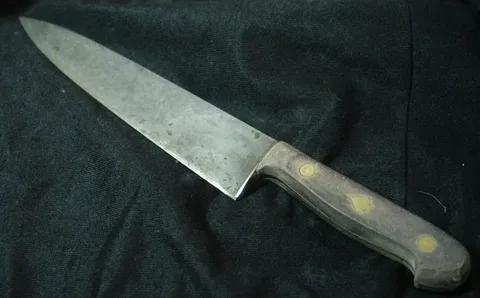
Blacksmithing is one of the oldest and most respected crafts in human history. From ancient weapon makers to modern artisan bladesmiths, the art of shaping hot steel has evolved into both a practical trade and a creative passion. Today, many beginners are discovering the excitement of working with fire, hammer, and anvil to create tools, decorative pieces, and custom knives.
If you are new to the forge, this comprehensive beginner’s guide will walk you through the essential skills, tools, safety practices, and mindset required to begin your journey as a forge artist.
Understanding the Art of Blacksmithing
Blacksmithing is the process of heating metal, usually steel or iron, and shaping it through hammering, bending, cutting, and welding. Unlike mass production, blacksmithing emphasizes craftsmanship, patience, and precision.
Modern forge artists often create custom blades such as tracker knives, hunting knives, kitchen tools, and specialty items like a handcrafted frontier forge knife or a decorative turquoise knife set. The appeal lies in producing something unique, functional, and durable.
Before you begin forging steel, it’s important to understand that blacksmithing is not just about strength. It requires timing, temperature control, accuracy, and creativity.
Essential Tools Every Beginner Needs
Starting blacksmithing does not mean you need a massive workshop. However, a few fundamental tools are absolutely necessary.
The forge is the heart of your workshop. It heats the metal to forging temperature. Beginners often choose between coal forges and propane forges. Propane forges are cleaner and easier to manage for beginners.
An anvil is your primary work surface. It provides a hard, stable base for shaping hot metal. A quality anvil will last a lifetime.
Hammers are your shaping tools. A cross-peen hammer is ideal for beginners because it allows you to spread and draw out metal efficiently.
Tongs are essential for holding hot metal safely. Having properly sized tongs improves both safety and control.
A quench tank filled with oil or water is required for cooling and hardening steel during knife making.
Grinders and files are necessary for finishing your work, refining edges, and smoothing surfaces.
As your skills grow, you may expand into making specialty items like a spade knife or crafting custom fittings for a western knife sheath.
Safety First: Protecting Yourself in the Forge
Blacksmithing involves high heat, sparks, and heavy tools. Safety should always come first.
Wear heat-resistant gloves and safety glasses to protect against sparks and scale. A leather apron shields your clothing and body from heat and debris. Closed-toe leather boots are essential.
Ensure proper ventilation in your workspace, especially when working indoors. Forges produce fumes that must be safely vented.
Never rush your work. Many injuries happen when beginners attempt to move too quickly without proper control.
Developing safe habits early will allow you to focus on creativity and skill development without unnecessary risk.
Learning to Control Heat
One of the most important skills in blacksmithing is understanding temperature. Steel changes color as it heats, and these colors indicate its workability.
A dull red glow means the steel is warming up. Bright orange to yellow indicates forging temperature. If the steel becomes white-hot, it may be burning and losing carbon content.
Temperature control is especially critical when crafting knives such as tracker knives or a frontier forge knife, where strength and edge retention are essential.
Heat control also plays a crucial role in heat treatment, which includes hardening and tempering the blade for durability and flexibility.
Basic Forging Techniques
As a beginner, you should master a few foundational techniques.
Drawing out involves lengthening the metal by hammering it thinner. This technique is used when forming blades or tapering points.
Upsetting is the opposite of drawing out. It makes the metal thicker by compressing it.
Bending allows you to shape curves, hooks, and handles.
Punching and drifting are used to create holes in hot metal.
Forge welding joins two pieces of metal together by heating them to a high temperature and hammering them into a single solid piece.
These skills are the building blocks for crafting advanced items, from simple tools to elaborate knife designs.
Introduction to Knife Making
Knife making is one of the most popular paths for beginner blacksmiths. It combines forging, grinding, heat treatment, and handle craftsmanship.
When creating a knife, you begin by forging the blade shape. After shaping, you refine it with a grinder and files. Heat treatment follows, hardening the blade and then tempering it to prevent brittleness.
Handle materials range from wood and bone to modern composites. Presentation also matters. Pairing a handmade blade with a custom western knife sheath enhances both protection and aesthetic appeal.
For those interested in expanding their product range, items like a decorative turquoise knife set or functional spade knife designs offer exciting creative opportunities.
Choosing the Right Steel
Steel selection greatly impacts the final product. High-carbon steels such as 1084 and 1095 are popular among beginners because they are relatively forgiving during heat treatment.
Stainless steels require more advanced temperature control and equipment, making them better suited for experienced smiths.
When creating blades for outdoor use, such as tracker knives, choosing durable, edge-retaining steel is essential.
Understanding steel properties will help you produce stronger, longer-lasting tools and knives.
The Importance of Practice and Patience
Blacksmithing is not mastered overnight. Your first projects may not look perfect, and that’s completely normal.
Start with simple items like hooks, nails, or small utility blades. Each piece you create builds muscle memory and improves hammer control.
Over time, your work will become cleaner, more balanced, and more refined. Even experienced artisans continue learning and experimenting throughout their careers.
Expanding Into Custom and Wholesale Markets
As your skills improve, you may consider selling your work. Many blacksmiths start by offering custom knives, decorative pieces, or specialty blades.
There is growing demand for handcrafted knives, including tracker knives, custom hunting blades, and artistic pieces like a turquoise knife set.
You may also explore spade knife Wholesale opportunities if you begin producing at scale. Expanding into Wholesale markets requires consistent quality, reliable production timelines, and strong branding.
Having a trusted supplier and inspiration source is essential. For beginners and professionals alike,. the best online store for purchasing knifies offers a wide selection of handcrafted blades and forging inspiration. Studying professionally crafted knives can help you understand balance, handle design, and finishing techniques.
Building Your Forge Identity
Blacksmithing is both technical and artistic. Over time, you will develop your own style. Some smiths focus on rugged outdoor blades like a frontier forge knife, while others specialize in elegant kitchen sets or ornamental ironwork.
Branding matters if you plan to sell your work. Develop a signature style, stamp your maker’s mark on each piece, and maintain consistent quality.
Customers value authenticity, craftsmanship, and durability.
Maintenance and Care of Forged Tools
Taking care of your forged items ensures longevity. Keep blades clean and dry to prevent rust. Apply a thin layer of oil for protection.
Proper storage in a western knife sheath protects both the blade and the user.
Regular sharpening maintains functionality and safety.
Understanding maintenance not only protects your creations but also enhances your reputation as a skilled forge artist.
Joining the Blacksmithing Community
One of the most rewarding aspects of blacksmithing is the community. Online forums, workshops, and local guilds provide opportunities to learn from experienced smiths.
Attending demonstrations and taking classes accelerates your learning curve. Watching skilled artisans forge in real time helps you understand hammer rhythm, heat timing, and metal behavior.
The blacksmithing community is known for sharing knowledge and encouraging newcomers.
Turning Passion Into Mastery
Becoming a skilled forge artist requires dedication, patience, and continuous learning. Start small, focus on mastering the fundamentals, and gradually take on more complex projects.
From forging your first simple hook to crafting intricate blades like tracker knives, a handcrafted frontier forge knife, or assembling a beautiful turquoise knife set, each step builds your confidence and expertise.
As you grow, explore new markets, refine your technique, and maintain high standards in both craftsmanship and safety.
Blacksmithing is more than shaping metal; it is about spade knife transforming raw steel into functional art. With the right tools, proper training, and consistent practice, any beginner can develop the essential skills needed to become a confident forge artist.

 Arabic
 French
 Spanish
 Portuguese
 Deutsch
 Turkish
 Dutch
Dutch
 Italiano
 Russian
 Romaian
 Portuguese (Brazil)
 Greek
Greek
