


 Downloader
 Free FTP
Magnet Therapy For Depression – Exploring TMS Treatment
Depression is more than just feeling sad. It is a medical condition that can affect mood, energy, sleep, and daily functioning. For many individuals, standard treatments such as antidepressant medications and talk therapy provide relief.
However, some people continue to experience persistent depressive symptoms even after trying multiple approaches. In such cases, magnet therapy for depression, also known as Transcranial Magnetic Stimulation (TMS) therapy, offers a promising, non-invasive solution.
What is Magnet Therapy for Depression?
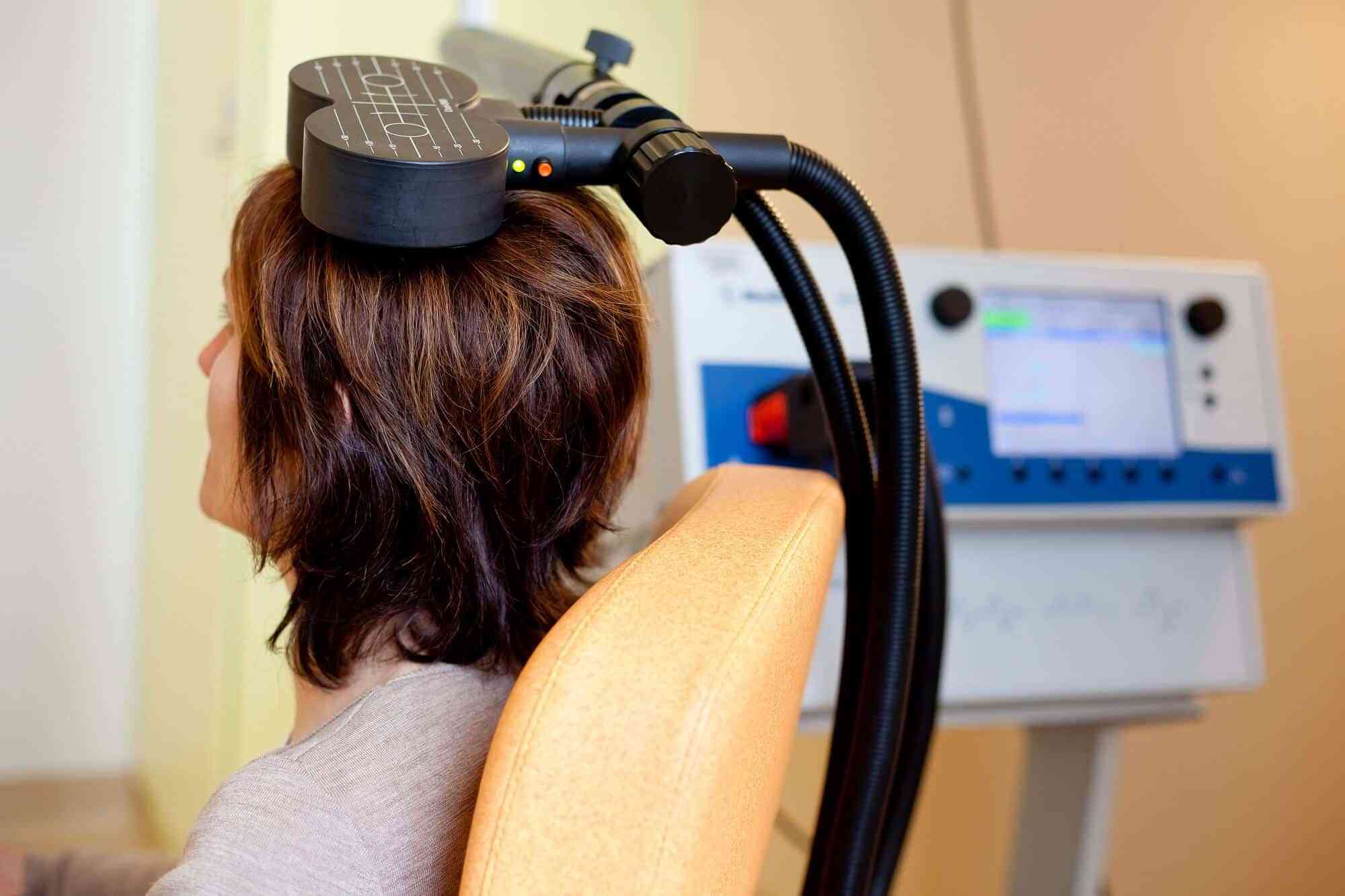
Magnet therapy for depression uses Transcranial Magnetic Stimulation (TMS) to target brain regions involved in mood regulation. TMS is a non-invasive, FDA-approved procedure that delivers controlled magnetic pulses to the prefrontal cortex — the area of the brain responsible for regulating mood, decision-making, and emotional responses.
Unlike electroconvulsive therapy (ECT), TMS does not require anesthesia, does not cause memory loss, and is generally well-tolerated by most patients. It is performed in an outpatient setting, making it convenient and accessible for individuals seeking treatment for depression.
How TMS Therapy Works?
TMS therapy works by using magnetic fields to stimulate nerve cells in the brain. The magnetic pulses encourage communication between neurons and improve the functioning of neural circuits that regulate mood.
The process typically involves:
-
A mental health professional evaluates your symptoms, medical history, and previous treatments to determine if TMS is appropriate.
-
The provider maps your brain to locate the precise areas for stimulation and adjusts the magnetic intensity for optimal safety and effectiveness.
-
TMS sessions usually last 30–45 minutes and are conducted five days a week for 4–6 weeks. You remain awake and alert during treatment.
-
Your provider tracks your progress and adjusts treatment as needed to maximize outcomes.
Benefits of TMS Therapy for Depression
TMS therapy offers several advantages compared to traditional depression treatments:
-
Non-Invasive: TMS treatment for depression does not involve surgery or anesthesia.
-
Minimal Side Effects: Most patients report mild scalp discomfort or headaches, which typically resolve quickly.
-
Effective for Treatment-Resistant Depression: TMS is particularly useful for individuals who have not found relief with medications.
-
Quick Recovery: Patients can resume normal activities immediately after each session.
-
Long-Term Improvement: Many patients experience lasting relief after completing the full course of therapy.
Who is a Candidate for TMS Therapy?
Certain medical conditions, such as implanted electronic devices (pacemakers or cochlear implants), may require special evaluation. Your provider will perform a thorough assessment to make sure safety and suitability. TMS therapy may be suitable for individuals who:
-
Have moderate to severe depression
-
Have not responded to antidepressant medications or therapy
-
Are seeking a non-invasive treatment option
-
Are experiencing intolerable side effects from medications
What to Expect During TMS Therapy?
Initial Consultation
The first step in TMS therapy in Richardson is a consultation with a qualified specialist. During this visit, your provider will:
-
Review your medical and psychiatric history
-
Assess current depressive symptoms
-
Discuss treatment goals and expectations
-
Determine if TMS is a suitable option for you
Treatment Sessions
Each TMS session is outpatient-based, lasting approximately 30–45 minutes. You sit comfortably while the device delivers magnetic pulses to targeted areas of the brain. Sessions are usually scheduled five days per week for several weeks.
Most patients continue their usual daily activities immediately after treatment, as there are no recovery requirements.
Monitoring and Follow-Up
Your response to TMS is closely monitored. Providers may adjust the intensity or frequency of stimulation based on your progress. Many patients notice improvements in mood, energy, and motivation within the first few weeks of treatment.
TMS Therapy Providers in Richardson
Scheduling a consultation with a qualified provider makes sure that TMS is safe and appropriate for your individual needs. If you are searching for TMS therapy near me, Richardson, Texas offers several reputable providers specializing in TMS therapy for depression. Look for clinics that:
-
Are licensed and experienced in administering TMS
-
Use FDA-approved TMS devices
-
Offer personalized treatment plans
-
Provide ongoing monitoring and follow-up care
Combining TMS with Other Therapies
TMS therapy can be used alone or combined with other depression treatments to enhance overall outcomes. Many patients benefit from a holistic approach that includes psychotherapy, such as Cognitive Behavioral Therapy (CBT), which helps reshape negative thought patterns and strengthens the effects of TMS.
Some individuals continue taking prescribed antidepressant medications during treatment, especially when guided by a mental health professional. In addition, lifestyle support including regular exercise, balanced nutrition, proper sleep hygiene, and stress management that can significantly complement TMS therapy and promote long-term emotional stability.
A comprehensive treatment plan customized to individual needs increases the likelihood of sustained improvement and recovery.
Realistic Expectations and Safety
While TMS therapy is highly effective for many individuals, results can vary from person to person. Some patients notice improvements within the first few sessions, while others experience gradual progress over several weeks.
Common side effects are generally mild and temporary, including scalp discomfort at the stimulation site, mild headaches, or tingling and tapping sensations during treatment. Serious side effects are rare, which makes TMS a safe and non-invasive alternative to more aggressive depression treatments.
Conclusion
Magnet therapy for depression through TMS treatment offers a safe, non-invasive, and effective option for individuals struggling with persistent depressive symptoms. By stimulating specific areas of the brain, TMS improves neural communication, mood, and overall functioning.
For those searching for specifically TMS therapy in Richardson, consulting with a licensed provider is the first step toward relief. With consistent sessions, professional monitoring, and a personalized treatment plan, many patients experience significant improvement and regain control over their mental health.
FAQs
1. Is TMS therapy painful?
Most patients feel mild tapping or clicking on the scalp. The procedure is non-invasive and generally well-tolerated.
2. How soon will I notice the results?
Some patients notice improvements within 2–4 weeks of treatment, though full benefits may take the entire course of therapy.
3. Are there any side effects?
Side effects are usually mild, including scalp discomfort, tingling, or headache. Serious side effects are rare.
4. Can TMS replace medication?
TMS can be used alone or alongside medication. Your provider will recommend the best approach for your individual needs.
5. Is TMS therapy covered by insurance?
Many insurance plans cover TMS for treatment-resistant depression. It is important to check with your provider and insurance company before starting treatment.

 English
 Arabic
 French
 Portuguese
 Deutsch
 Turkish
 Dutch
Dutch
 Italiano
 Russian
 Romaian
 Portuguese (Brazil)
 Greek
Greek
