


 Downloader
 Free FTP
Protecting Aluminum Automotive Joints from Corrosion Kunli
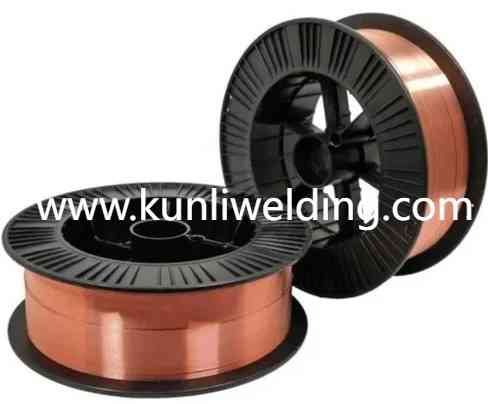
Soldering aluminum braided wire for automotive applications requires attention to mechanical strength, proper materials, and correct sealing. Many Aluminum Braided Wire Manufacturers recommend a combined approach that uses a mechanical connector plus a soldered finish to handle vibration and thermal cycling. This article explains step-by-step how to make durable, low-resistance aluminum joints for vehicle systems and how to limit corrosion over time.
Aluminum is attractive in automotive wiring because it is lighter than copper and can reduce vehicle weight. However, aluminum forms a stable oxide layer that prevents traditional solders from wetting the metal. The metal also conducts heat quickly, so it can be difficult to raise just the joint area to soldering temperature without heating adjacent components. Automotive environments add vibration, road salt, and temperature swings, so an unprotected solder joint can fail mechanically or corrode electrically. The approach here is practical: make a reliable mechanical connection first, then use aluminum-compatible soldering techniques to improve electrical continuity, and finish with effective environmental protection.
Materials and tools you will need:
- Aluminum-compatible flux (designed to remove oxide and protect during heating).
- Filler alloy or solder specified for aluminum; do not use standard tin-lead or ordinary lead-free solder intended for copper.
- A soldering iron or torch with good temperature control. For larger gauge wires, a soldering gun or small oxy-propane torch may be necessary if used carefully.
- Crimp sleeves or compression connectors rated for aluminum conductors.
- A stainless-steel wire brush or fine abrasive pads to remove oxide.
- Adhesive-lined heat-shrink tubing, dielectric grease, and silicone or marine-grade sealant for final protection.
Safety gear: eye protection, gloves, and ventilation.
Preparation and mechanical connection
Strip and lay out the wires. For braided aluminum conductors, unwind and align strands as needed to insert into a connector. Use clamps or fixtures to stabilize the assembly.
- Create a mechanical joint first. Use a crimp sleeve, compression fitting, or lug rated for aluminum. Proper crimping tools and dies are essential. The mechanical joint carries load and resists vibration; soldering alone will not provide adequate mechanical strength.
- Inspect the crimp. A correct crimp is firm and shows no movement of strands. If the crimp seems loose, rework it.
Surface cleaning and flux application
Clean the conductor surfaces. Use a stainless-steel brush or fine abrasive paper to remove the oxide layer until you reach bright metal. Work quickly to minimize re-oxidation.
Immediately apply aluminum-specific flux to the cleaned area. This flux must be formulated to chemically remove oxide during heating and to protect the surface while the filler is applied.
Soldering the joint
- Heat the assembly evenly. Use a controlled heating method and direct heat to the mechanical joint. Avoid concentrating heat on insulation or nearby components. The aim is to activate flux and allow the filler alloy to wet the strands and the inside of the connector.
- Add filler alloy when flux activates. Introduce the alloy so it flows into the braided strands and fills voids in the connector. Good wetting indicates correct flux and filler selection. If the filler beads up or fails to flow, stop and confirm you used the right flux and that surfaces were properly cleaned.
- Limit heat exposure. Excessive heating weakens nearby insulation and can alter conductor temper. Work efficiently.
Cleaning and sealing
- Clean flux residues as recommended by the flux manufacturer. Many aluminum fluxes are corrosive if left in place. Use the suggested solvent and allow the joint to dry completely.
- Apply dielectric grease lightly inside the connector if manufacturer guidance allows. The grease can help block moisture.
- Slide adhesive-lined heat-shrink over the joint and shrink it carefully to form a tight barrier. Where exposure to road salt or moisture is likely, add a bead of silicone or specialized sealant at the transition points. For added protection, wrap the heat-shrink with protective tape and secure with strain-relief clamps.
Routing and strain relief
Route the cable to avoid vibration and sharp bends at the joint. Use clamps and rubber-lined supports to isolate the joint from chassis vibration. Ensure that the soldered area is not a primary flex point in the harness.
Testing and inspection
- Measure continuity and contact resistance with a milliohm meter when possible. Low and stable resistance confirms a good electrical joint.
- Inspect the mechanical integrity and seals periodically, especially in the first few months after installation. Look for signs of moisture ingress, corrosion, or loosening.
Common mistakes to avoid
- Using ordinary solder and flux meant for copper.
- Relying on solder alone for mechanical strength.
- Overheating the joint and damaging insulation.
- Skipping cleaning or failing to remove flux residues.
Final considerations
Properly done, the combination of a dependable mechanical crimp and aluminum-compatible soldering improves electrical contact and service life in automotive environments. For recommended solder alloys, fluxes, and specific connector types appropriate for vehicle use, consult reliable supplier documentation. For additional technical resources and product guidance, see Kunli and visit https://kunliwelding.psce.pw/8p6qdb for compatible materials and notes on automotive aluminum wire connections.

 English
 Arabic
 French
 Spanish
 Portuguese
 Deutsch
 Turkish
 Dutch
Dutch
 Russian
 Romaian
 Portuguese (Brazil)
 Greek
Greek
