


 Downloader
 Free FTP
Low DA vs High DA Websites: Which Links Are More Valuable?
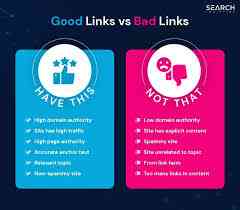
Understand Low DA vs High DA Websites: Which Links Are More Valuable?
Link building has always been one of the most debated aspects of SEO. Among the many metrics used to evaluate links, Domain Authority has become one of the most widely referenced. When choosing where to earn backlinks, website owners often ask a common question: are links from high DA websites more valuable than links from low DA websites?
The answer is not as simple as it may seem. While Domain Authority provides a helpful reference point, link value depends on multiple factors beyond a single metric. To understand which links are truly more valuable, it is important to examine how authority, relevance, trust, context, and user behavior all interact within search engine algorithms.
This discussion is not about choosing sides between low DA and high DA websites. Instead, it is about understanding how algorithms interpret links and how strategic thinking leads to sustainable SEO growth.
Understanding Domain Authority in Context
Domain Authority, commonly abbreviated as DA, is a third-party metric designed to estimate how likely a domain is to rank in search engines. It is calculated using various factors such as backlink profiles, linking root domains, and overall domain strength.
However, it is important to recognize that DA is not a ranking factor used directly by search engines. It is an indicator created to approximate competitive strength. Because of this, DA should be treated as a comparative tool rather than an absolute measure of link value.
High DA websites generally have stronger backlink profiles, broader recognition, and longer digital history. Low DA websites may be newer, more niche-focused, or simply less linked. Neither category automatically determines link quality.
The Perceived Power of High DA Links
Links from high DA websites are often viewed as more powerful because they are associated with strong authority and trust signals. These domains typically have established credibility, diverse backlinks, and consistent traffic.
When a high DA website links to another site, it can transfer a portion of its authority. This can positively influence rankings, especially if the linking page is relevant and contextually aligned.
However, the assumption that all high DA links are valuable is flawed. A link placed in an unrelated article, buried in a low-quality section, or surrounded by excessive outbound links may pass minimal value despite the domain’s high authority.
Context matters more than raw metrics.
The Hidden Strength of Low DA Websites
Low DA websites are often underestimated. While they may lack broad authority, they can provide highly relevant and context-rich backlinks.
For example, a niche blog with focused expertise may have lower overall authority but strong topical relevance. A contextual link from such a site can send clear signals about subject alignment.
Search engines evaluate not just domain-level authority, but also page-level strength, relevance, and intent. A highly relevant link from a low DA site can sometimes be more impactful than a generic link from a high DA site.
This is especially true in specialized industries where topical authority outweighs general authority.
Relevance: The Core Determining Factor
Among all link evaluation criteria, relevance remains one of the most important. Algorithms assess how closely the linking page aligns with the target page’s topic.
A link from a highly relevant source strengthens semantic relationships. It helps search engines understand what the linked page is about and why it deserves visibility.
High DA without relevance may provide limited value. Low DA with strong relevance may provide meaningful contextual signals. In many cases, relevance bridges the gap between authority levels.
Trust and Link Placement
Trust signals extend beyond DA. Algorithms analyze link placement, editorial context, anchor text, and overall linking patterns.
Editorially placed links within high-quality content tend to carry more weight than sidebar, footer, or directory-style links. The intention behind the link plays a crucial role.
If a low DA website links naturally within a well-written, relevant article, that link may signal genuine endorsement. On the other hand, a high DA site offering paid placements in bulk may create weaker trust signals.
Trust is built through natural patterns, not numerical metrics alone.
The Role of Link Diversity
A healthy backlink profile is diverse. Relying exclusively on high DA links or exclusively on low DA links creates unnatural patterns.
Search engines expect websites to earn links from a range of sources. Some will be high authority publications. Others will be niche blogs, local websites, or emerging platforms.
This diversity signals organic growth. When link acquisition appears balanced and natural, algorithms interpret it as authentic rather than engineered.
This is why experienced strategies used by Leading SEO Companies emphasize building varied link profiles rather than chasing single metrics.
Page-Level Authority vs Domain-Level Authority
Another critical distinction lies between page-level authority and domain-level authority. A high DA domain does not guarantee that every page carries equal strength.
New or low-traffic pages on high DA domains may pass less value than established pages on moderate DA websites. Algorithms evaluate individual page signals, including inbound links, engagement, and freshness.
Therefore, analyzing where the link appears on the domain is more important than focusing solely on overall domain authority.
Anchor Text and Link Context
Anchor text provides important contextual signals about the relationship between two connected pages. When anchor text varies naturally and reflects genuine editorial intent, it strengthens credibility and improves semantic clarity.
High DA links with aggressively optimized, keyword-heavy anchor text can appear manipulative and trigger algorithmic scrutiny. In contrast, even lower DA links with natural, descriptive, and contextually relevant anchor text often support stronger topical alignment and safer authority growth.
A balanced anchor text profile reflects organic link acquisition patterns. Over-optimization, regardless of the referring domain’s authority, can reduce link effectiveness and introduce unnecessary risk.
Traffic and Engagement Signals
Links that generate real referral traffic carry additional strategic value beyond authority metrics. When users actively click a link and meaningfully engage with the destination content, it reinforces relevance, usefulness, and trust.
A lower DA website with a loyal and engaged audience may deliver more measurable benefit than a higher DA site with passive or less targeted readership. Contextual relevance and audience alignment often outweigh raw authority scores.
Search engines increasingly evaluate behavioral and interaction patterns. Links that drive sustained engagement contribute to stronger long-term authority signals and improved visibility stability.
The Long-Term Perspective
High DA links can accelerate authority growth, especially for newer or less established websites. They act as credibility endorsements that may help search engines reassess overall trust more quickly.
Low DA links, when relevant and genuine, support foundational growth. They enhance topical reinforcement, diversify the backlink profile, and create a more natural link acquisition pattern.
Over time, a balanced combination of both produces the strongest and most resilient results. Focusing exclusively on one category limits strategic flexibility and reduces long-term stability.
Risk Considerations
Pursuing high DA links without strategic evaluation can lead to risky practices such as paid placements, irrelevant sponsorships, or artificial link exchanges that undermine trust.
Likewise, accumulating large volumes of low DA links without quality control may dilute authority signals and create spam-like patterns.
Search algorithms assess link behavior holistically. Sudden spikes in high-authority links without gradual progression may appear unnatural, while excessive low-quality links from unrelated sources can raise red flags.
Sustainable link building prioritizes steady, relevance-driven growth aligned with content quality, audience value, and long-term credibility.
When High DA Links Matter Most
High DA links are particularly valuable when:
-
Launching a new website
-
Entering competitive markets
-
Strengthening overall domain authority
-
Building brand credibility
These links can provide momentum. However, they should complement rather than replace broader link strategies.
When Low DA Links Are Highly Valuable
Low DA links become especially useful when:
-
They come from niche-specific sources
-
They support topical clusters
-
They drive qualified traffic
-
They are editorial and natural
In these scenarios, low DA does not mean low value. It often means focused relevance.
Quality Over Metric Obsession
The debate between low DA and high DA links often oversimplifies SEO. Link value is multi-dimensional. Authority, relevance, trust, placement, engagement, and diversity all interact.
Obsessing over a single metric can distort strategy. DA provides guidance but should not dominate decision-making.
A high DA irrelevant link may contribute little. A low DA relevant link may strengthen semantic positioning significantly.
The most effective approach is evaluation at multiple levels rather than reliance on surface indicators.
Final Thoughts
So, which links are more valuable: low DA or high DA?
The honest answer is that value depends on context. High DA links often provide broader authority signals and competitive leverage. Low DA links frequently offer strong relevance and natural diversity.
Search algorithms differentiate link value through patterns, context, engagement, and trust—not simply numerical metrics. A balanced strategy that prioritizes relevance, editorial placement, and organic growth will outperform any one-dimensional approach.
In modern SEO, success comes from understanding relationships between signals rather than chasing individual scores. When link acquisition aligns with genuine value creation, both low and high DA websites can contribute meaningfully to sustainable search visibility.
FAQs
1. What does Domain Authority (DA) actually represent?
Domain Authority is a comparative metric that estimates how strong a website’s backlink profile is compared to others. It helps evaluate competitiveness but is not a direct Google ranking factor.
2. Are high DA links always better than low DA links?
No. High DA links can be valuable, but relevance, placement, and intent matter more. A highly relevant low DA link can sometimes provide more SEO value than an unrelated high DA link.
3. Can low DA websites provide quality backlinks?
Yes. Many low DA websites are niche-focused and contextually relevant. Links from such sites often support topical authority and natural link diversity.
4. How important is relevance compared to DA?
Relevance is one of the strongest link signals. Search engines prioritize links that make contextual sense, even if they come from websites with lower overall authority.
5. Do search engines evaluate links at the page level or domain level?
Both are evaluated. A strong page on a moderate DA website can pass more value than a weak page on a high DA website, depending on context and engagement.
6. Can too many low DA links harm SEO?
They can if they come from unrelated, low-quality, or spam-like sources. However, natural low DA links from relevant websites usually support healthy link profiles.
7. Why is link diversity important in SEO?
A diverse backlink profile looks natural to search engines. It signals organic growth and reduces dependency on a single type of link source.
8. Does traffic from a linking site matter?
Yes. Links that drive real, engaged traffic add extra value. User interaction reinforces trust and relevance signals for search engines.
9. Should anchor text differ based on DA level?
Anchor text should always remain natural. Over-optimized anchors can weaken trust regardless of whether the link comes from a high or low DA website.
10. What is the best link-building approach overall?
The best approach combines high DA authority links with relevant low DA links. This balanced strategy builds trust, relevance, and stability over time.

 English
 Arabic
 French
 Spanish
 Portuguese
 Deutsch
 Turkish
 Dutch
Dutch
 Italiano
 Russian
 Romaian
 Portuguese (Brazil)
