


 Downloader
 Free FTP
Class 2 Balbharti- Urdu: Complete Guide to Curriculum, Lessons, and Practice
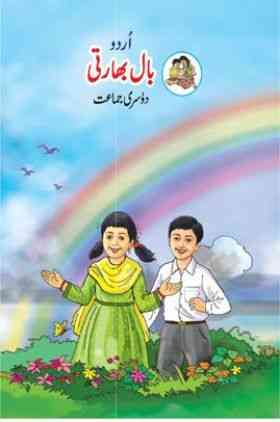
You’ll find Class 2 Balbharti- Urdu gives a clear, age‑appropriate path to build basic Urdu skills through short stories, poems, and simple exercises that match Maharashtra board learning goals. You can use the textbook’s structured lessons and free PDF resources to practice vocabulary, pronunciation, and reading comprehension at home or in class.
This article guides you through what the book covers, practical ways to use its activities, and where to access reliable digital copies and supporting materials so you spend less time searching and more time teaching or practicing. Expect straightforward strategies and resource links that make learning Urdu manageable and engaging for young learners.
Overview of Class 2 Balbharti- Urdu
This textbook develops foundational Urdu reading, writing, listening, and speaking skills for young learners. It combines simple stories, structured exercises, and visual aids to build vocabulary, sentence formation, and basic grammar.
Curriculum Objectives
The book targets practical language use and measurable learning outcomes for Class 2 students. You will find objectives such as:
- Recognize and read primary Urdu letters and simple words with correct pronunciation.
- Write short words and sentences using proper stroke order and spacing.
- Understand and answer short questions about illustrated stories to develop listening and comprehension.
The curriculum also emphasizes oral fluency and confidence. Many activities require you to speak aloud, repeat dialogues, or participate in classroom pair work. Assessment focuses on progress: reading accuracy, legible handwriting, ability to form simple sentences, and comprehension of age-appropriate texts.
Main Themes and Topics
The textbook uses familiar themes to make language relevant to daily life. Expect chapters on family, school, festivals, animals, food, and play. Each theme builds vocabulary sets, common phrases, and question–answer patterns you can use immediately.
Key topic types include:
- Short narrative stories with pictures to teach context.
- Rhymes and poems to reinforce rhythm and phonics.
- Dialogues for everyday exchanges (greetings, requests, classroom language).
- Simple grammar points like gender of nouns, singular/plural forms, and basic verb use.
Exercises vary between matching, fill-in-the-blanks, and picture-based comprehension tasks. These reinforce vocabulary and grammar while keeping lessons age-appropriate and engaging.
Textbook Structure
The book organizes content into sequential chapters, each focused on a single theme or skill. You’ll typically see:
- Title page with illustration and learning goals.
- Vocabulary list with transliteration or phonetic cues.
- Main text (story/poem/dialogue) with large print and colored images.
- Activity set: comprehension questions, writing practice, and speaking prompts.
Supplementary elements often include:
- Revision pages after every few chapters for consolidation.
- Simple assessment tasks or short quizzes to track progress.
- Teacher notes or activity suggestions for classroom interaction.
Layout prioritizes clarity: bold headings, numbered exercises, and pictorial cues guide you through each lesson step-by-step.
Learning Strategies and Resources
Focus on practical routines, specific materials, and clear ways to check progress so you can build Urdu reading, writing, and speaking skills steadily. Prioritize short daily practices, use age-appropriate resources, and measure learning with simple, observable tasks.
Effective Study Tips
Set a daily routine of 20–30 minutes split into short activities: 10 minutes of reading aloud from the Balbharti text, 10 minutes of handwriting practice (letters and words), and 5–10 minutes of oral or listening exercises. Use a consistent time and quiet spot to build habit.
Use targeted drills for letter recognition and vowel signs (zabar, zer, pesh). Trace letters first, then write independently. Pair reading with finger-tracking to improve word recognition speed.
Build vocabulary with themed word lists (family, classroom, animals). Make simple flashcards with Urdu script on one side and a picture or Urdu meaning on the other. Review 5–10 new words daily and recycle older cards twice a week.
Encourage short role-play or question-answer sessions with caregivers. Ask your child to narrate a picture or retell a two-line poem from the book to boost comprehension and spoken fluency.
Supplementary Materials
Use the official Balbharti Class 2 Urdu textbook as the primary resource for syllabus-aligned lessons and exercises. Complement it with the Balbharti lesson plans and SLPs (speech-language plans) where available for structured activities and remedial options.
Add children’s storybooks in simple Urdu and audio recordings of those stories to strengthen listening skills. Choose 2–3 illustrated storybooks and one audio track per week; combine listening followed by reading aloud.
Employ printable worksheets for letter formation, matching, and short comprehension questions. You can download chapter-wise PDFs from state e-balbharati portals or educational sites that host Balbharti Urdu materials.
Keep a simple notebook for vocabulary and a folder for completed worksheets. Use QR-code-linked lesson plans if available for interactive exercises and remedial tracking.
Assessment Methods
Use short, frequent checks rather than long tests. Weekly mini-assessments of 5 items work well: two reading lines from the textbook, two written words, and one oral answer about a picture. Record results in a progress chart.
Use a checklist to track milestones: recognizes all letters, reads 20 short words, writes own name in Urdu, and retells a simple story. Mark “achieved,” “in progress,” or “needs practice” for each item.
Use parent- or teacher-led observation during activities to note pronunciation, letter formation, and comprehension. For remediation, return to guided tracing, audio repetition, and one-on-one reading until the child meets the checklist item.
Every month, compare the checklist to past records and adjust practice focus to weak areas. Keep assessments positive and task-based to maintain motivation.

 English
 Arabic
 French
 Spanish
 Portuguese
 Deutsch
 Turkish
 Dutch
Dutch
 Italiano
 Russian
 Romaian
 Portuguese (Brazil)
