


 Downloader
 Free FTP
Himalayan Nepal Honey vs Manuka Honey: Which One Should You Choose?
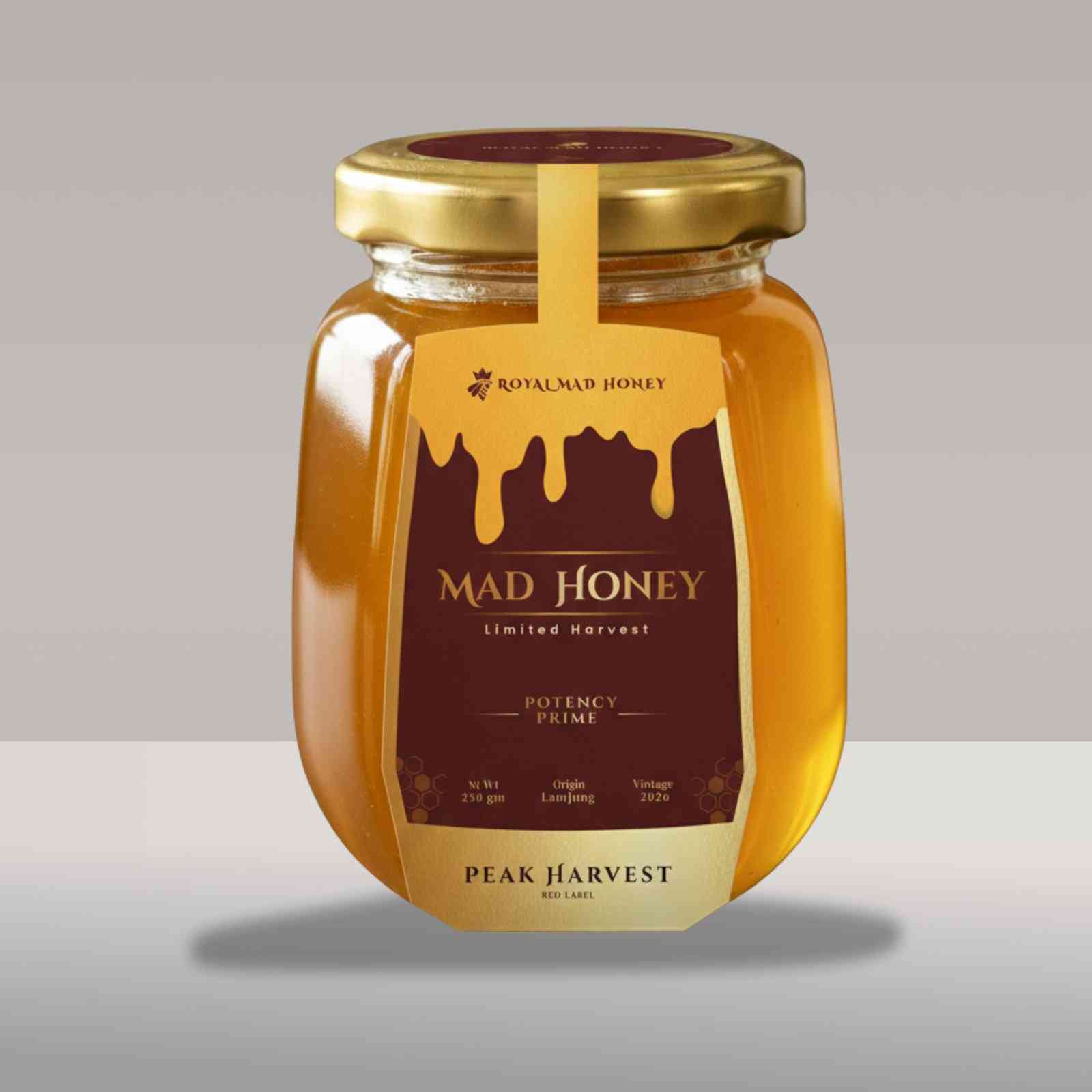
Honey lovers often compare Himalayan Nepal honey with Manuka honey, as both are considered premium and medicinal. While each offers unique benefits, they differ greatly in origin, taste, processing, and traditional use. Understanding these differences can help you choose the right honey for your needs.
At Royal Mad Honey, we specialize in authentic Himalayan honey from Nepal and believe informed choices lead to better experiences.
Origin and Environment
Himalayan Nepal honey comes from high-altitude regions of Nepal, where bees forage freely on wildflowers, medicinal herbs, and alpine plants. The environment is clean, remote, and untouched by industrial pollution.
Manuka honey, on the other hand, is produced in New Zealand and Australia from bees that pollinate the Manuka bush. It is often produced in managed apiaries and tested for antibacterial strength.
Both honeys are high-quality, but their environments and ecosystems are very different.
Harvesting and Processing
Himalayan honey from Nepal is usually harvested in small batches using traditional methods. It is often raw, unfiltered, and unpasteurized, preserving natural enzymes and nutrients.
Manuka honey is typically filtered and processed to meet commercial grading standards. While still natural, it undergoes more handling than Himalayan Nepal honey.
Royal Mad Honey focuses on minimal processing to retain the honey’s natural character.
Taste and Texture
Himalayan Nepal honey has:
-
A rich, floral, and slightly herbal flavor
-
Thick, raw texture
-
Natural variation between batches
Manuka honey has:
-
Strong, earthy taste
-
Dense and creamy texture
-
Consistent flavor due to controlled production
Taste preference often depends on whether you enjoy mild floral notes or stronger medicinal flavors.
Health and Wellness Uses
Himalayan Nepal honey is traditionally used to:
-
Support digestion
-
Boost natural energy
-
Provide antioxidants
-
Promote overall wellness
Manuka honey is widely known for its antibacterial properties and is often used for:
-
Wound care
-
Immune support
-
Oral health
Both honeys have wellness value, but Himalayan honey emphasizes tradition and natural balance, while Manuka focuses on clinical testing.
Price and Availability
Manuka honey is widely available and graded based on antibacterial strength, which affects price.
Himalayan Nepal honey is limited in supply due to seasonal harvesting and remote sourcing. Its rarity often makes it a premium product.
Availability may vary depending on harvest seasons and ethical sourcing practices.
Which Honey Is Right for You?
Choose Himalayan Nepal honey if you value:
-
Raw and unprocessed honey
-
Traditional harvesting methods
-
Floral and herbal flavor profiles
-
Ethical and sustainable sourcing
Choose Manuka honey if you prioritize:
-
Clinically tested antibacterial properties
-
Consistent taste and grading
Why Choose Royal Mad Honey
When choosing Himalayan Nepal honey, trust matters. Royal Mad Honey offers:
-
Authentic Himalayan Nepal honey
-
Ethical sourcing from Nepal
-
Raw, unprocessed quality
-
Transparent practices
-
Fast global delivery
Final Thoughts
Both Himalayan Nepal honey and Manuka honey are premium products with unique qualities. The best choice depends on your taste preferences, wellness goals, and values.
For those seeking raw, traditional, and naturally pure honey from the Himalayas, Royal Mad Honey delivers an authentic experience you can trust. Get coupon at MAD10 https://royalmadhoney.com/shop/

 English
 Arabic
 French
 Spanish
 Portuguese
 Deutsch
 Turkish
 Dutch
Dutch
 Russian
 Romaian
 Portuguese (Brazil)
 Greek
Greek
