


 Downloader
 Free FTP
Procurement Considerations for Picosure Tattoo Removal Laser in Institutional Settings
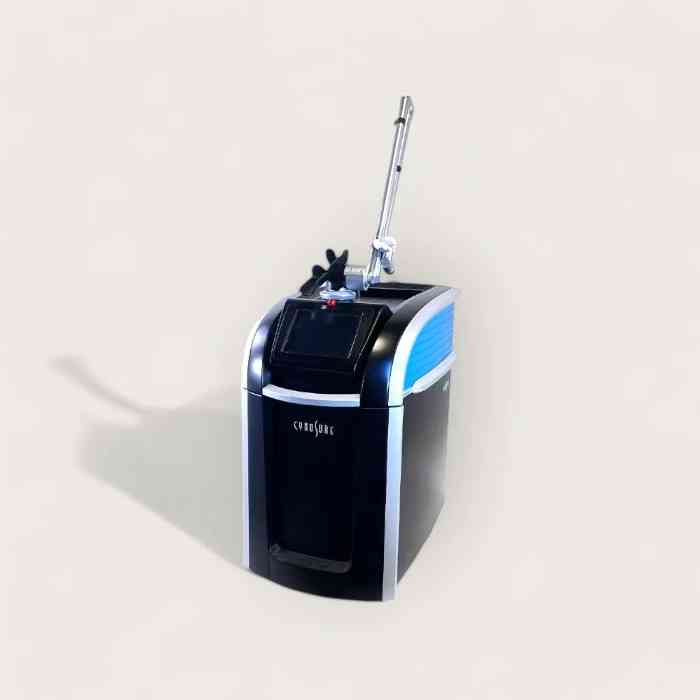
Procurement Considerations for Picosure Tattoo Removal Laser in Institutional Settings
When hospitals, dermatology centers, and multi-branch aesthetic clinics evaluate advanced laser systems, procurement decisions extend far beyond clinical effectiveness. The picosure tattoo removal laser is often assessed through a multidisciplinary lens that includes biomedical engineering teams, compliance officers, and financial controllers.
Key procurement criteria typically include:
-
Electrical and infrastructure compatibility with existing clinical facilities
-
Lifecycle cost analysis, including consumables, servicing, and depreciation
-
Training requirements for operators and biomedical staff
-
Downtime risk and service-level agreements
For distributors, understanding how procurement committees think is critical. Devices positioned for institutional adoption must be supported by detailed technical documentation and transparent maintenance planning.
Biomedical Engineering Perspective: System Reliability and Safety
From a biomedical engineering standpoint, the picosure tattoo removal laser is evaluated based on system stability and predictable output performance. Picosecond laser systems operate at high peak power levels, which means:
-
Optical alignment stability is critical
-
Cooling systems must be robust and redundant
-
Internal diagnostics and error logging are essential
Hospitals and advanced clinics increasingly request laser systems with built-in self-diagnostic capabilities to reduce reliance on external servicing. Distributors that can support in-house biomedical teams gain a competitive advantage in institutional tenders.
Training and Credentialing Requirements
Unlike lower-grade aesthetic devices, professional picosecond lasers demand structured training. For the picosure tattoo removal laser, training frameworks typically address:
-
Laser-tissue interaction principles
-
Parameter selection for different ink types and skin phototypes
-
Eye safety, plume management, and controlled treatment environments
-
Adverse event prevention and reporting
In export markets such as the USA and Brazil, training documentation is often reviewed during audits or accreditation processes. Distributors must therefore maintain standardized training materials and attendance records.
Financial Evaluation and ROI Modeling
Financial decision-makers assess the picosure tattoo removal laser based on long-term return rather than upfront cost alone. ROI models usually consider:
-
Average revenue per session
-
Expected number of sessions per patient
-
Annual procedure volume
-
Maintenance and service expenses
Because picosecond technology may reduce treatment sessions, clinics can improve chair utilization rates. This operational efficiency is a major driver of adoption in competitive urban markets.
Compatibility with Diverse Skin Types
One of the clinical factors influencing global adoption of the picosure tattoo removal laser is its applicability across a wide range of skin phototypes. In regions such as Southeast Asia, Latin America, and parts of the Middle East:
-
Melanin-rich skin increases risk of post-inflammatory hyperpigmentation
-
Lower thermal diffusion reduces complication rates
-
Precision pulse delivery improves predictability
This makes the technology particularly attractive for clinics serving diverse populations or medical tourism patients.
Role in Medical Tourism Ecosystems
In medical tourism hubs, advanced aesthetic technology is a differentiator. Facilities equipped with systems like the picosure tattoo removal laser are often perceived as:
-
More technologically advanced
-
Better aligned with international standards
-
Safer for overseas patients
Jakarta’s growing role in regional medical tourism further amplifies demand for globally recognized laser platforms supported by export-ready distributors.
Distributor Responsibilities in Long-Term Device Ownership
Supplying a picosure tattoo removal laser is not a one-time transaction. Long-term ownership involves:
-
Scheduled preventive maintenance
-
Software and firmware updates
-
Optical component replacement
-
Regulatory re-certification support
Distributors with structured after-sales programs reduce operational risk for clinics and strengthen long-term client relationships.
Risk Mitigation in Cross-Border Transactions
In international B2B trade, high-value devices such as the picosure tattoo removal laser require robust risk mitigation strategies:
-
Secure packaging and shock protection during transit
-
Insurance aligned with medical device value
-
Clear Incoterms and delivery responsibilities
-
Customs documentation consistency
Export-experienced suppliers based in Indonesia are increasingly preferred for their ability to manage these complexities efficiently.
Strategic Positioning in Distributor Portfolios
For international wholesalers, the picosure tattoo removal laser often functions as a portfolio anchor product. Its presence enables distributors to:
-
Cross-sell complementary aesthetic and dermatology devices
-
Establish credibility with hospital networks
-
Enter premium clinic segments
This strategic role explains why picosecond laser platforms are frequently highlighted in distributor catalogs targeting high-growth markets.

 English
 Arabic
 French
 Spanish
 Portuguese
 Deutsch
 Turkish
 Dutch
Dutch
 Italiano
 Russian
 Portuguese (Brazil)
 Greek
Greek
