


 Downloader
 Free FTP
Promote Your Product
Got a product, service, or story to share? Promote it directly to our active community and boost your brand today.
Create an Ad
Publish Bulk Blog Posts
Boost Your Reach! 📝
Have articles, guest posts, or bulk stories to publish? Send your content directly to our editorial team and feature on our platform.
Email Us Your PostsIs Wheat Chapati Good for Diabetes?
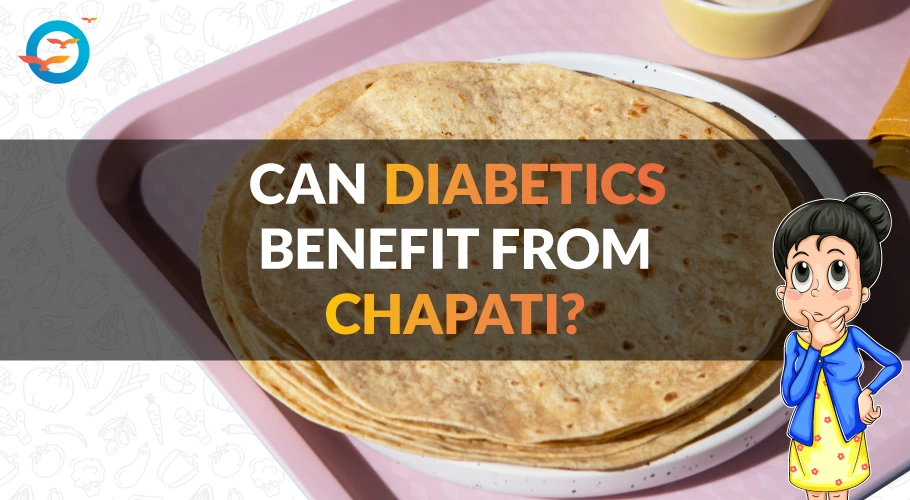
Is Wheat Chapati Good for Diabetes?
Wheat chapati, also known as roti, has been a core part of Indian meals for generations. It is commonly eaten with vegetables, dals, and curries and is often considered a wholesome and comforting food. However, for someone living with diabetes, even everyday foods raise an important concern. I often hear questions like, “Is wheat chapati safe for diabetes?” or “Can a diabetic patient eat wheat roti daily?” To answer this clearly, it is important to understand how wheat chapati affects blood sugar levels and what role it plays in a balanced diabetes-friendly diet.
Understanding Wheat Chapati and Its Nutritional Value
Chapati is traditionally made by kneading whole wheat flour with water, rolling it into thin discs, and cooking it on a hot tawa. When prepared using whole wheat flour, chapati provides complex carbohydrates, dietary fiber, plant-based protein, and essential micronutrients. Whole wheat naturally contains B vitamins, iron, magnesium, and antioxidants that support overall metabolic health.
Fiber is one of the most important nutrients for people with diabetes. It slows down digestion and reduces the speed at which glucose enters the bloodstream. This helps prevent sudden spikes in blood sugar after meals. Compared to refined flour products like white bread or maida roti, whole wheat chapati offers better blood sugar control and improved satiety.
Glycemic Index of Wheat Chapati and Its Impact on Blood Sugar
The glycemic index plays a crucial role in deciding whether a food is suitable for diabetes. Whole wheat has a lower glycemic index than refined grains, meaning it raises blood sugar more gradually. This slow release of glucose is beneficial for people with diabetes, as it helps maintain stable blood sugar levels throughout the day.
However, it is important to remember that glycemic response also depends on portion size, meal combinations, and individual metabolism. Eating multiple chapatis in one meal or combining them with high-fat or sugary dishes can still lead to blood sugar fluctuations. Therefore, mindful eating is just as important as choosing the right ingredients.
Is Wheat Chapati Recommended for Diabetic Patients?
Whole wheat chapati can be included in a diabetes-friendly diet when consumed in moderation and prepared thoughtfully. Indian traditional wheat varieties are often preferred, especially organic options. Organic wheat is grown without synthetic pesticides and chemical fertilizers, which makes it gentler on digestion and better for long-term health.
Organic wheat is also usually less processed, helping preserve natural nutrients like minerals and antioxidants. This can support better insulin sensitivity and gut health over time. Choosing good-quality wheat flour makes a noticeable difference in how the body responds after meals.
Why Choosing the Right Wheat Brand Matters
Consistency plays an important role in diabetes management. Sticking to a trusted brand of whole wheat flour ensures uniform quality, texture, and nutrient composition. Frequent switching between flours can cause unexpected blood sugar responses. When the body becomes familiar with a particular type of wheat, digestion and glucose handling tend to be more predictable.
Portion Control and Meal Balance
Even the healthiest food can cause issues if eaten in excess. Portion control is essential when including wheat chapati in a diabetic meal plan. For most individuals, one to two chapatis per meal is generally considered appropriate, depending on activity levels, body composition, and blood sugar readings.
Pairing chapati with the right foods is equally important. When eaten with fiber-rich vegetables, protein-rich dals, or healthy fats, the overall glycemic load of the meal reduces. This combination helps slow down carbohydrate absorption and keeps blood sugar levels steady for longer periods.
Cooking Methods and Lifestyle Factors
The way chapati is cooked also influences its health impact. Using minimal oil and avoiding frying keeps the meal lighter and easier to digest. Soft, well-cooked chapatis are preferable, as undercooked or overly thick rotis can strain digestion and affect blood sugar levels.
Lifestyle habits such as physical activity, sleep quality, and stress management also influence how wheat chapati affects blood sugar. Food works best when supported by a holistic lifestyle approach rather than being judged in isolation.
Gluten Sensitivity and Individual Considerations
Wheat naturally contains gluten, a protein that some individuals may be sensitive or allergic to. People with gluten sensitivity or gluten-related disorders may experience bloating, inflammation, or digestive discomfort after eating wheat chapati. In such cases, alternative grains may be more suitable.
Listening to your body and observing how you feel after eating chapati is very important. If you notice discomfort or unusual blood sugar responses, consulting a healthcare professional can help you make better dietary choices.
The Freedom From Diabetes Perspective
At Freedom From Diabetes, we follow the proven 25 percent formula, where meals are balanced with equal portions of dal, vegetables, salads, and grains. This structure helps manage blood sugar naturally and supports long-term metabolic health. Thousands of individuals have successfully reversed diabetes and reduced medication dependency by following this approach along with lifestyle modifications.
Certain traditional wheat varieties like khapli wheat, emmer wheat, durum wheat, and buckwheat are often recommended due to their lower glycemic impact and better nutrient profile. Including these grains mindfully can support better diabetes control.
For those looking to understand diabetes reversal deeply, joining the Discover Reversal Session or participating in the Holistic Transformation Program can offer structured guidance and expert support.
Final Thoughts
Whole wheat chapati can be part of a diabetes-friendly diet when chosen wisely and eaten mindfully. Moderation, quality of wheat, portion size, and meal combinations play a critical role in how chapati affects blood sugar levels. There is no one-size-fits-all approach, so personalized guidance from a doctor or nutritionist is always recommended.
Understanding food, lifestyle, and the body’s response together creates the foundation for long-https://www.freedomfromdiabetes.org/term diabetes management and reversal.

 English
 Arabic
 French
 Spanish
 Portuguese
 Deutsch
 Turkish
 Dutch
Dutch
 Italiano
 Russian
 Romaian
 Greek
Greek
