


 Downloader
 Free FTP
Wildfire Protection and Structural Hardening: A Guide to Approved Exterior Fire Retardant Paint
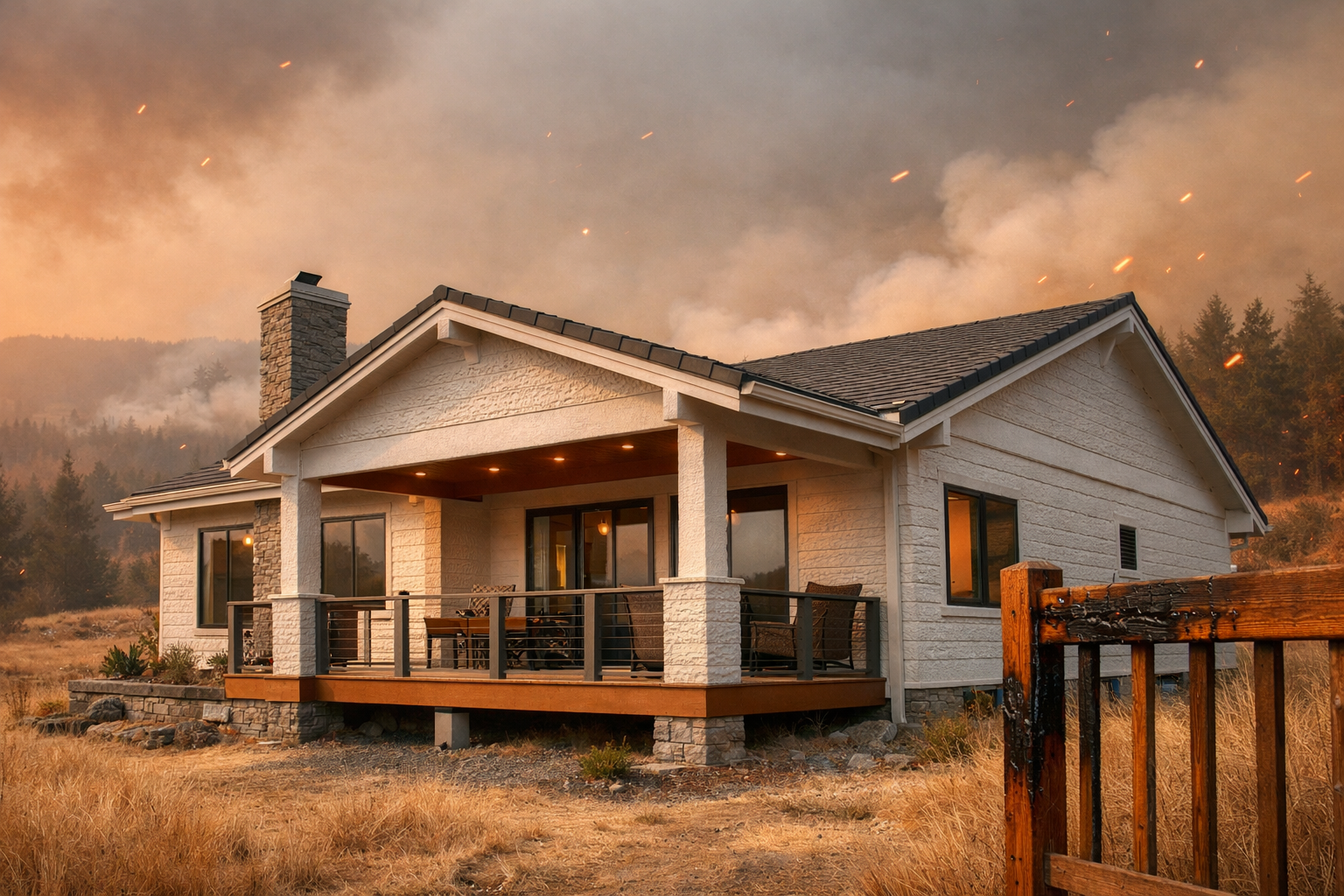
For homeowners and developers residing in the Wildland-Urban Interface (WUI), the threat of a wildfire is a constant reality. As fire seasons become more unpredictable and intense, traditional methods like clearing brush are no longer enough to guarantee safety. Modern building codes now emphasize structural hardening, which focuses on protecting the building itself from the radiant heat and flying embers that often ignite a home long before the main fire front arrives.
One of the most effective strategies for structural hardening is the application of high-performance coatings. However, selecting the right product is critical. To truly protect a property, you must understand the difference between standard decorative paints and an engineered exterior fire retardant paint system designed to survive the elements.
The Science of Intumescence: How It Protects Your Home
Interior fire paints are common, but they often fail when used outdoors because they cannot withstand UV radiation, humidity, or heavy rain. An authentic exterior fire retardant paint, like the Firefree Wildfire System, is engineered as a multi-stage chemical defense.
When the coating is exposed to extreme heat from a wildfire (which can exceed 1,200°F), it undergoes a chemical transformation called intumescence. The paint swells and expands up to 100 times its original dry thickness, creating a thick, carbonaceous char layer. This char acts as a high-performance thermal insulator. By keeping the intense heat away from the wood or metal substrate, the coating prevents the material from reaching its ignition temperature. In a wildfire scenario, this protection buys the most precious commodity: time for evacuation and for emergency services to respond.
Why Standard Fire Resistant Exterior Paint Fails Outdoors
It is a common misconception that any fire resistant exterior paint sold at a local hardware store will provide lasting protection in a WUI zone. In an outdoor environment, fire-retardant chemicals face three primary enemies that can render them useless:
-
Leaching: Many fire-retardant chemicals are water-soluble. Without a specific weather-resistant barrier, rain can wash away the protective properties in a single season.
-
UV Degradation: Sunlight breaks down the polymers in standard paint. To be effective, a fire resistant exterior paint must be tested under ASTM D2898 (the Rain Test) to ensure it stays active after years of exposure.
-
Mechanical Stress: Exterior wood expands and contracts as temperatures change. If a coating is too brittle, it will crack and flake, leaving gaps where fire can easily take hold.
Understanding the Codes: ASTM E2768 and WUI Standards
To meet strict building codes in California and other high-risk states, a product cannot simply claim to be resistant; it must be "Approved." This usually requires passing the ASTM E2768 test.
This test is an "Extended 30-Minute" version of the standard ASTM E84 test. While many products can survive a 10-minute flame exposure, a true wildfire flame retardant coating must demonstrate it can resist progressive combustion for a full 30 minutes.
When reviewing products, look for these specific testing standards:
-
ASTM E84 / UL 723: Measures how fast flames spread and how much smoke is developed.
-
ASTM E2768: The rigorous 30-minute test required for "Ignition-Resistant" classification.
-
ASTM D2898 (Method B): Accelerated weathering that proves the paint maintains its fire-rating after simulated years of rain and sun.
The Firefree Two-Step Advantage
Because the chemical requirements for fire resistance and weather durability often conflict, the most reliable solution is a two-step system. The Firefree Wildfire System utilizes this approach to provide maximum durability and protection.
Step 1: The Base Coat (Firefree Class A) The first layer is Firefree Class A (FfA), a high-performance intumescent coating applied to the bare substrate. This layer provides the primary fire-stopping power and is responsible for the insulating char that protects the structure.
Step 2: The Topcoat (Firefree Exterior) The second layer is Firefree Exterior (FfE), a specialized topcoat applied over the base. This is not just for aesthetics or color. It serves as a seal that locks the fire-retardant chemicals inside and shields them from moisture, snow, and UV rays. This combination is the first of its kind to meet both the fire-rating and weatherization standards required for the most hazardous wildfire zones.
Strategic Application: Targeting Vulnerable Entry Points
You do not always need to coat every square inch of a home. Instead, focus on "structural hardening" by protecting the areas where fires are most likely to start:
-
Eaves and Soffits: These areas are notorious "ember traps." Applying fire retardant house paint here prevents embers from being sucked into the attic.
-
Decks and Undersides: Decks are frequently the primary fuel source that brings a wildfire into the main house. Coating the joists, supports, and walking surfaces with fire retardant house paint is a critical safety step.
-
Fence Connections: A wooden fence attached to a house acts like a fuse. Coating the first 10 feet of the fence where it meets the structure can break the chain of ignition.
-
Exterior Walls: Prioritize the sides of the home that face heavy vegetation, canyons, or "fuel ladders" like tall shrubs.
Practical Advice for Homeowners and Contractors
When choosing an exterior fire retardant paint, keep these tips in mind to ensure the application is successful:
1. Verify Third-Party Listings Do not rely solely on a manufacturer's marketing materials. Check for ICC-ES or QAI listing reports. These are independent audits that confirm the product meets the legal requirements for building codes.
2. Measure the Wet Film Thickness (WFT) Fire protection is directly tied to how thick the paint is applied. Use a WFT gauge during application. If the specifications require 20 mils of thickness and you only apply 10, the fire protection is significantly compromised.
3. Consult Your Insurance Provider Many insurance companies in high-risk regions now offer premium credits or even require the application of approved wildfire coatings on decks and outbuildings to maintain coverage.
Conclusion: Building for Resilience
Investing in an approved exterior fire retardant paint system is about more than just satisfying a building inspector. It is about creating a resilient home that can survive a worst-case scenario. While no product can guarantee a building is 100% fireproof, using a system that meets the "Extended 30-Minute" and "Weatherization" standards provides a significant statistical advantage.
By choosing a system like Firefree, you ensure your home's defense does not wash away with the first rainstorm or fail during the first few minutes of an ember attack. Structural hardening with high-quality fire retardant house paint is the future of living safely in the WUI.

 English
 Arabic
 French
 Spanish
 Portuguese
 Deutsch
 Turkish
 Dutch
Dutch
 Italiano
 Russian
 Portuguese (Brazil)
 Greek
Greek
