


 Downloader
 Free FTP
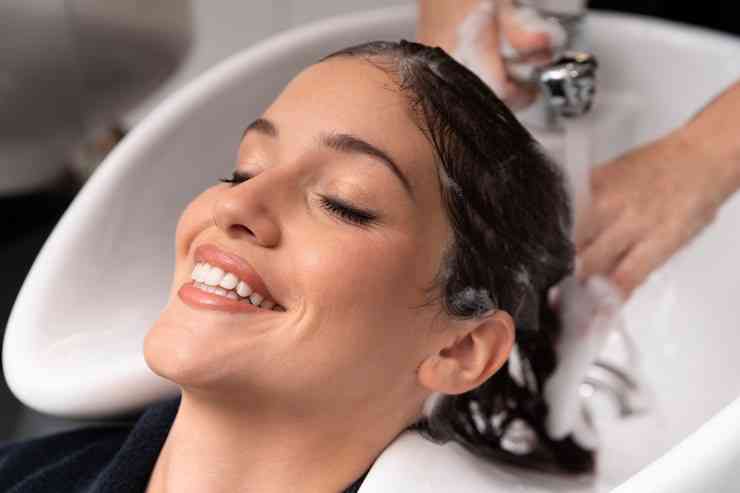
Healthy hair architecture originates beneath the surface, yet most individuals concentrate exclusively on visible strands. Understanding the distinction between interventions targeting follicles versus fiber shafts is fundamental for sustainable results. A scalp treatment prioritizes epidermal balance, microcirculation, and follicular vitality, whereas a Hair Repair Treatment concentrates on reconstructing compromised keratin structures. Though frequently conflated, these regimens function through separate biological pathways, therapeutic formulations, and outcome timelines. Distinguishing their mechanisms enables more precise regimen selection, particularly for individuals confronting shedding, brittleness, inflammation, or textural degradation.
Foundational Anatomy: Surface vs Strand
The scalp constitutes living tissue containing sebaceous glands, vascular networks, and follicular units. Hair strands, conversely, are non-living keratin filaments. This anatomical divergence dictates treatment philosophy.
A scalp treatment interacts with dermal layers, aiming to recalibrate oil secretion, mitigate microbial overgrowth, and stimulate dormant follicles. Techniques often involve exfoliative acids, botanical stimulants, or oxygenating serums.
A Hair Repair Treatment, however, addresses cuticle erosion, cortex fragmentation, and moisture depletion. Because strands lack metabolic activity, reparative outcomes rely on external bonding agents, lipid infusions, and protein matrices rather than biological regeneration.
Functional Objectives and Therapeutic Targets
Scalp Microenvironment Optimization
Primary goals include:
-
Sebum equilibrium restoration
-
Follicular unclogging
-
Inflammatory reduction
-
Circulatory enhancement
-
pH normalization
By recalibrating these parameters, a scalp treatment cultivates an environment conducive to robust hair emergence. Chronic dandruff, telogen effluvium, and seborrheic dermatitis frequently necessitate such protocols.
Fiber Reconstruction and Resilience
Conversely, a Hair Repair Treatment seeks to:
-
Reinforce disulfide bonds
-
Seal lifted cuticles
-
Replenish lipid barriers
-
Reduce porosity
-
Enhance tensile strength
This modality proves indispensable for chemically processed, heat-degraded, or UV-weathered hair fibers.
Formulation Science and Active Constituents
Bioactive Complexes in Scalp Therapies
Sophisticated scalp treatment formulations may incorporate:
-
Salicylic or glycolic derivatives for desquamation
-
Niacinamide for vascular dilation
-
Caffeine complexes for follicular stimulation
-
Peptide chains for dermal signaling
-
Antifungal agents targeting Malassezia species
These compounds penetrate epidermal strata, modulating biological activity rather than merely coating surfaces.
Molecular Builders in Strand Repair
A Hair Repair Treatment relies on biomimetic chemistry:
-
Hydrolyzed keratin peptides
-
Amino acid condensates
-
Ceramide analogues
-
Bond-multiplying agents (e.g., maleate technology)
-
Hyaluronic binding polymers
Such ingredients occupy structural voids within damaged shafts, creating the illusion—and partial reality—of restored integrity.
Application Methodologies
Precision Delivery to the Scalp
Implementation of a scalp treatment demands sectional application to ensure dermal contact. Techniques include:
-
Micromist infusion
-
Dermal massage activation
-
Steam-assisted penetration
-
Micro-needling adjuncts in clinical settings
Duration varies from 20-minute express rituals to overnight pharmacological absorption.
Saturation Techniques for Fiber Repair
A Hair Repair Treatment involves full-length saturation:
-
Clarifying cleanse to remove residue
-
Towel-dried damp application
-
Heat activation for molecular adhesion
-
Cool sealing rinse
Professional variants may employ infrared processors or ultrasonic infusion devices to intensify uptake.
Indications: When Each Treatment Is Necessary
Scalp-Centered Concerns
Opt for a scalp treatment when experiencing:
-
Persistent flaking
-
Excessive greasiness
-
Folliculitis lesions
-
Diffuse thinning
-
Product accumulation
Addressing scalp dysfunction often indirectly improves hair caliber and density.
Strand-Centered Damage Profiles
A Hair Repair Treatment becomes essential under conditions such as:
-
Bleach fragmentation
-
Thermal blistering
-
Split-end propagation
-
Elasticity collapse
-
Chronic dehydration
Here, dermal health may remain intact while fibers exhibit severe compromise.
Frequency and Maintenance Cadence
Scalp Care Intervals
Because epidermal turnover averages 28 days, a scalp treatment schedule typically ranges from weekly to monthly, depending on pathology severity. Over-application may disrupt barrier lipids, necessitating professional calibration.
Repair Cycle Timing
A Hair Repair Treatment may be administered biweekly for acute damage, transitioning to monthly reinforcement once structural stability improves. Excess protein deposition, however, can induce rigidity—balance remains critical.
Synergistic Integration: Dual Therapy Models
Though distinct, these treatments are not mutually exclusive. Integrated regimens often yield superior outcomes.
For instance:
-
Detoxifying scalp treatment sessions clear follicular obstruction.
-
Subsequent Hair Repair Treatment applications fortify emerging strands.
This dual-axis methodology addresses both production quality and fiber endurance, particularly beneficial for post-chemical service recovery.
Professional vs At-Home Protocols
Clinical-Grade Scalp Interventions
Dermatological or trichological centers may deploy:
-
Ozone therapy
-
Platelet-rich plasma infusions
-
LED photobiomodulation
-
Medical exfoliation systems
These elevate scalp treatment efficacy beyond cosmetic thresholds.
Intensive Salon Repair Systems
Advanced Hair Repair Treatment services may involve:
-
Bond-relinking concentrates
-
Nano-mist penetration
-
Cryotherapy sealing
-
Lamellar water technologies
Such systems deliver rapid cosmetic transformation alongside progressive reinforcement.
Misconceptions and Diagnostic Errors
A prevalent error involves treating shedding with strand masks alone. Without correcting follicular distress via a scalp treatment, fiber-focused regimens yield negligible density improvement.
Conversely, individuals with severe bleach erosion may pursue exfoliating scalp rituals while neglecting urgent Hair Repair Treatment, allowing breakage to masquerade as hair loss.
Accurate diagnosis—preferably trichoscopic—is therefore indispensable.
Outcome Timelines and Expectation Management
-
Scalp treatment results manifest gradually, aligning with hair growth cycles (8–16 weeks).
-
Hair Repair Treatment effects appear immediately, though some benefits are temporary and require repetition.
Understanding this temporal disparity prevents premature discontinuation or unrealistic expectations.
Selecting the Appropriate Intervention
Decision variables include:
-
Symptom localization (root vs length)
-
Chemical exposure history
-
Sebum production metrics
-
Breakage elasticity tests
-
Scalp imaging results
Professionals often design hybrid regimens, sequencing scalp treatment detoxification before initiating intensive Hair Repair Treatment reconstruction phases.
Conclusion
While both modalities enhance overall hair aesthetics, their operational domains differ fundamentally. A scalp treatment revitalizes the biological foundation from which hair emerges, optimizing follicular productivity and dermal equilibrium. In contrast, a Hair Repair Treatment rehabilitates already-formed strands, restoring suppleness, cohesion, and resilience after structural trauma. Strategic differentiation—paired with accurate diagnosis—ensures resources target the true origin of hair concerns, yielding more durable and scientifically coherent outcomes.

 English
 Arabic
 French
 Spanish
 Portuguese
 Deutsch
 Turkish
 Dutch
Dutch
 Russian
 Romaian
 Portuguese (Brazil)
 Greek
Greek
