


 Downloader
 Free FTP
Bridal Banarasi Silk Sarees Designed for Elegant Wedding Looks
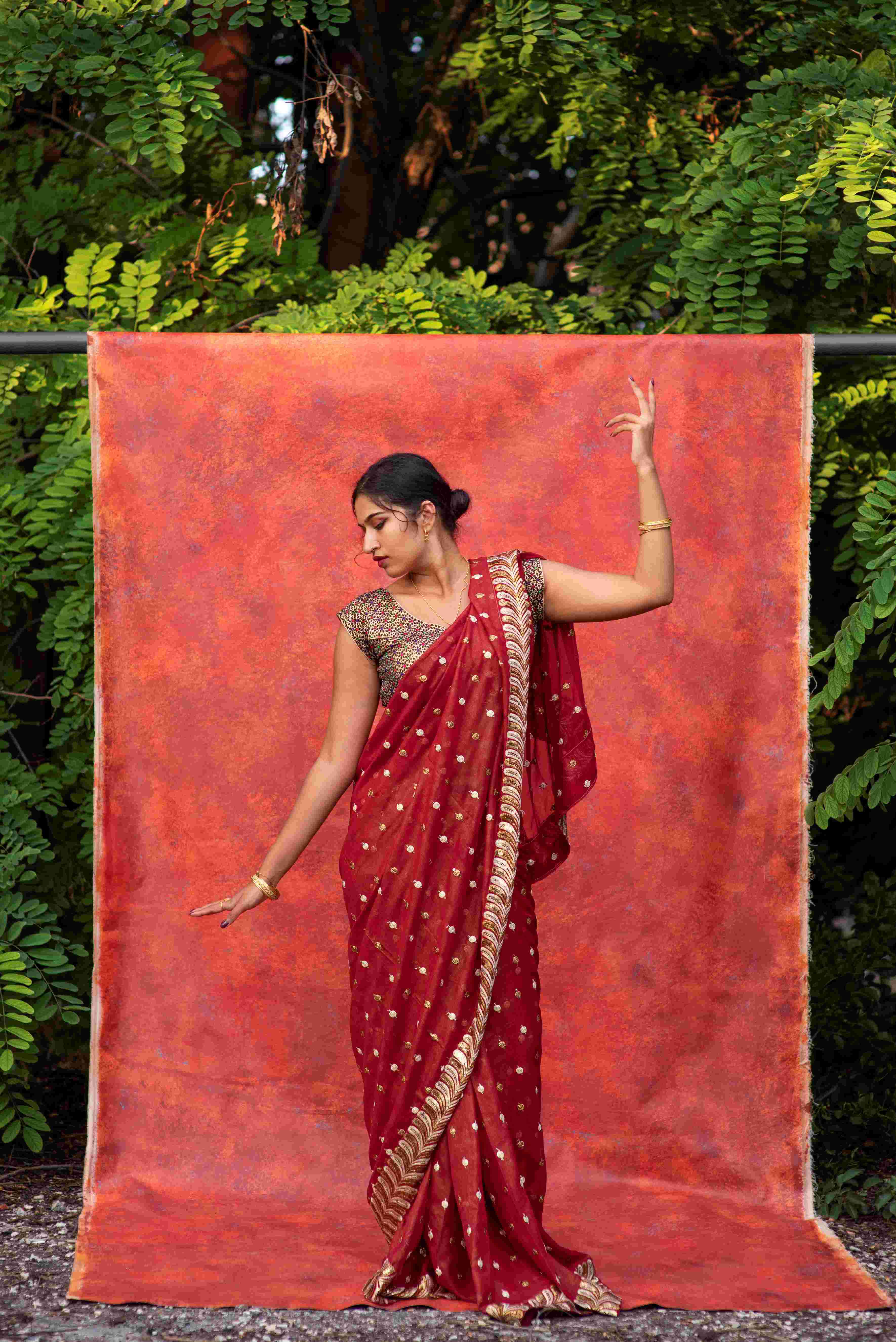
The wedding day represents one of life's most significant celebrations, and choosing the perfect attire becomes a crucial decision for every bride. In Indian tradition, few garments can match the grandeur and cultural significance of handwoven silk draped in the traditional manner, adorned with intricate gold threadwork that catches every light and creates an unforgettable bridal presence.
For generations, the Banarasi silk saree for wedding ceremonies has remained the ultimate choice for brides seeking to honor tradition while making a magnificent style statement. These exceptional garments embody centuries of weaving expertise, combining luxurious silk with elaborate zari work to create pieces worthy of the most important day in a woman's life. The rich heritage behind each saree connects modern brides to generations of women who wore similar pieces during their own wedding celebrations, creating a beautiful continuity of tradition.
The selection process for a bridal saree begins months before the wedding, as brides and families search for pieces that perfectly capture their vision. Traditional red remains the most popular choice, symbolizing prosperity, fertility, and marital bliss in Indian culture. However, contemporary brides increasingly explore alternative colors—deep maroons, rich pinks, vibrant oranges, and even unconventional hues like royal blue or emerald green—while maintaining the opulent aesthetic that defines bridal wear.
The Banarasi silk saree for wedding functions typically features the most elaborate designs available, with heavily worked pallus displaying intricate patterns that extend across the entire length. Bridal pieces often incorporate motifs of peacocks, parrots, flowers, leaves, and geometric patterns, each carrying symbolic meaning. The density of zari work in bridal sarees exceeds that of regular pieces, with some designs featuring almost complete metallic coverage, creating a garment that seems woven from precious metals themselves.
The border work on bridal pieces receives particular attention, often measuring several inches wide and featuring multiple layers of design. Traditional patterns like kinkhab (brocade with metallic threads), amru (mango motifs), and jaal (net patterns) cover the fabric comprehensively. Some brides choose sarees with contrasting borders in complementary colors, adding visual interest while maintaining traditional aesthetics. The pallu's design coordinates with border motifs, creating a cohesive visual narrative that ties the entire garment together.
The weaving timeline for exceptional bridal pieces can extend from several weeks to several months, depending on design complexity. Artisans dedicate their finest skills to creating wedding sarees, understanding the emotional significance these garments hold. Some families commission custom pieces, working with master weavers to incorporate specific motifs, family symbols, or personalized design elements that make the saree uniquely meaningful. These commissioned pieces become treasured heirlooms, passed down through generations.
Contemporary designers have revolutionized the Banarasi silk saree for wedding market by introducing innovative interpretations while respecting traditional techniques. Lighter-weight silks offer greater comfort during lengthy wedding ceremonies without compromising on visual impact. Experimental color combinations—such as mint green with gold, blush pink with silver, or navy blue with copper zari—appeal to brides seeking distinctive looks. Some designers incorporate modern motifs or abstract patterns alongside traditional designs, creating fusion pieces that bridge heritage and contemporary aesthetics.
The significance of the bridal saree extends beyond the wedding ceremony itself. In many communities, brides wear their wedding saree during specific post-wedding rituals, reinforcing its importance in marital traditions. The garment often appears in wedding photography, becoming part of the visual record that families treasure for generations. Many brides carefully preserve their wedding saree, later sharing it with daughters or daughters-in-law, creating tangible connections across generations.
Styling a bridal Banarasi silk saree for wedding ceremonies requires careful coordination of multiple elements. The blouse design significantly impacts overall appearance—traditional heavily embroidered blouses in matching or contrasting fabrics maintain classical elegance, while modern designs with interesting backs, sleeve styles, or necklines add contemporary sophistication. The choice between matching or contrasting blouse colors depends on personal preference and overall wedding aesthetics.
Jewelry selection complements the saree's richness without overwhelming it. Traditional gold temple jewelry, kundan sets, or polki pieces harmonize beautifully with gold zari work. Antique jewelry adds vintage charm, while contemporary diamond sets create modern glamour. The key lies in balancing the jewelry's visual weight with the saree's inherent opulence, ensuring neither element overshadows the other. Many brides choose heavier jewelry for the actual ceremony, switching to lighter pieces for reception events.
Hairstyling and makeup choices also affect how the bridal ensemble appears. Traditional braided styles adorned with flowers complement the classical aesthetic of these sarees, while modern updos or loose waves suit contemporary interpretations. Makeup colors coordinate with the saree's palette—red sarees pair beautifully with classic red lips and dramatic eyes, while lighter-colored pieces allow for softer, more natural makeup looks. The draping style impacts overall appearance significantly, with different regional styles creating distinct silhouettes.
The investment in a quality bridal saree represents more than purchasing wedding attire—it's acquiring an heirloom piece that carries emotional, cultural, and monetary value. Authentic handloom pieces maintain their beauty for decades when properly cared for, and many appreciate in value over time. The craftsmanship, materials, and cultural significance ensure these garments remain treasured possessions long after the wedding celebrations conclude.
Regional variations in bridal preferences reflect India's cultural diversity. Bengali brides traditionally favor red with white borders, while South Indian brides often choose Kanjivaram silk despite the popularity of Banarasi varieties in other regions. North Indian brides embrace the full spectrum of Banarasi designs, often selecting pieces that reflect their family's regional heritage. Understanding these traditions helps brides make choices that honor their cultural background while expressing personal style.
The authenticity of bridal pieces deserves particular scrutiny, as the wedding saree represents a significant investment. Examining the reverse side reveals weaving quality—handloom pieces show thread ends and slight irregularities that machine-made versions lack. The texture of genuine silk differs from synthetic alternatives, and pure zari retains its luster over time unlike imitation metallic threads. Purchasing from reputable dealers with GI-tagged products ensures authenticity.
Modern brides increasingly appreciate the sustainability aspect of choosing handwoven pieces, supporting artisan communities and preserving traditional crafts. Each purchase directly impacts weavers' livelihoods and helps maintain skills that might otherwise disappear in an increasingly mechanized world. This consciousness adds another layer of meaning to the bridal saree, representing not just personal celebration but also cultural preservation and ethical consumption.
The emotional journey of selecting, wearing, and preserving a wedding saree creates memories that last a lifetime, connecting brides to their heritage while celebrating their future, wrapped in silk and gold that embodies the timeless elegance of Indian craftsmanship.

 English
 Arabic
 Spanish
 Portuguese
 Deutsch
 Turkish
 Dutch
Dutch
 Italiano
 Russian
 Romaian
 Portuguese (Brazil)
 Greek
Greek
