


 Downloader
 Free FTP
Promote Your Product
Got a product, service, or story to share? Promote it directly to our active community and boost your brand today.
Create an Ad
Publish Bulk Blog Posts
Boost Your Reach! 📝
Have articles, guest posts, or bulk stories to publish? Send your content directly to our editorial team and feature on our platform.
Email Us Your PostsRange Rover Engine: Power, Performance, and Engineering Excellence
Introduction
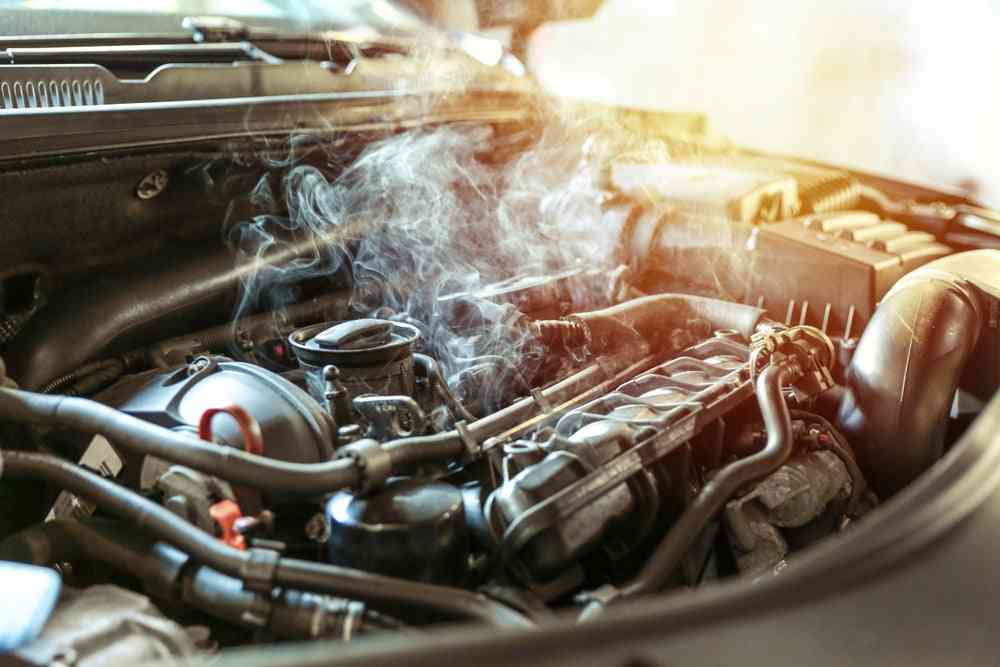
Range Rover is globally recognized as a symbol of luxury, strength, and advanced automotive engineering. At the heart of every Range Rover vehicle lies a powerful and refined engine that delivers exceptional performance both on-road and off-road. Over the years, Range Rover has continuously evolved its engine technology to meet modern demands for power, efficiency, and environmental responsibility. This article explores the design, types, performance, reliability, and future of Range Rover engines in detail.
The Engineering Philosophy Behind Range Rover Engines
Range Rover engines are designed with a clear philosophy: combine luxury-level smoothness with rugged off-road capability. Unlike many luxury SUVs that focus mainly on comfort, Range Rover vehicles must perform equally well in harsh terrains, steep slopes, and extreme weather conditions.
To achieve this balance, Range Rover engines are engineered with advanced materials, intelligent power management systems, and robust internal components. Every engine undergoes extensive testing to ensure durability, reliability, and consistent performance under demanding conditions.
Types of Engines Used in Range Rover Vehicles
Range Rover offers a wide range of engine options to suit different driving needs and markets. These engines can be broadly divided into petrol, diesel, hybrid, and fully electric systems.
Petrol Engines
Petrol engines are known for their smooth acceleration and refined driving experience. Range Rover petrol engines typically come with turbocharging or supercharging technology, allowing them to produce high power outputs without sacrificing comfort.
Modern petrol engines used in Range Rover models often feature inline-six or V8 configurations. These engines deliver impressive horsepower, making them ideal for drivers who value performance and quick acceleration. Advanced fuel injection systems and variable valve timing help improve efficiency and reduce emissions.
Diesel Engines
Diesel engines have long been a popular choice for Range Rover, especially in regions where long-distance driving and towing are common. Range Rover diesel engines are built for high torque, which is essential for off-road driving and hauling heavy loads.
These engines are designed to be fuel-efficient while still delivering strong pulling power. Modern diesel variants include advanced emission control technologies, such as diesel particulate filters and selective catalytic reduction systems, to comply with strict environmental standards.
Mild Hybrid and Plug-in Hybrid Engines
To meet modern environmental requirements, Range Rover has introduced mild hybrid (MHEV) and plug-in hybrid (PHEV) engines. These systems combine a traditional combustion engine with an electric motor.
Mild hybrid engines use electric assistance to improve fuel efficiency and reduce emissions, especially during acceleration. Plug-in hybrid engines allow short-distance driving on electric power alone, making them suitable for city use while still offering the flexibility of a fuel engine for longer trips.
Fully Electric Powertrains
Range Rover is moving toward an electric future. The brand has announced and begun developing fully electric Range Rover models. These vehicles will rely entirely on electric motors, offering instant torque, silent operation, and zero tailpipe emissions.
Electric Range Rover engines are expected to maintain the brand’s signature off-road capability while providing a more sustainable driving experience.
Performance and Power Delivery
One of the strongest qualities of a Range Rover engine is its smooth and controlled power delivery. Whether driving on highways or navigating rough terrain, the engine responds confidently and predictably.
High-performance engines, especially V8 variants, can produce impressive horsepower figures while maintaining stability and comfort. Advanced transmission systems work in harmony with the engine to ensure seamless gear shifts and optimal power distribution.
Off-Road Capability and Engine Strength
Range Rover engines are built to support the brand’s legendary off-road capabilities. High torque at low engine speeds allows vehicles to climb steep hills, cross muddy tracks, and navigate rocky surfaces with ease.
Engine management systems automatically adjust power output based on terrain conditions. When combined with technologies like Terrain Response and All-Wheel Drive systems, Range Rover engines provide excellent traction and control in extreme environments.
Fuel Efficiency and Emissions Control
In recent years, fuel efficiency and emissions have become major priorities in engine development. Range Rover engines now feature intelligent fuel management systems, lightweight construction materials, and hybrid technologies to reduce fuel consumption.
Start-stop technology, regenerative braking, and improved aerodynamics also contribute to better efficiency. These improvements allow Range Rover to meet international emission regulations without compromising performance.
Reliability and Maintenance Considerations
Range Rover engines are designed for durability, but like any premium vehicle, they require proper maintenance. Regular oil changes, timely servicing, and the use of high-quality fuel are essential to keep the engine running smoothly.
Modern Range Rover engines include advanced sensors and onboard diagnostics that help detect issues early. When maintained correctly, these engines can deliver long-lasting performance and reliability.
Technological Innovations in Range Rover Engines
Range Rover continues to invest heavily in engine technology. Innovations such as adaptive engine mapping, intelligent cooling systems, and advanced turbocharging have significantly improved engine responsiveness and longevity.
Digital integration allows the engine to communicate with other vehicle systems, optimizing performance in real time. This level of intelligence ensures that the engine adapts to driving conditions instantly.
The Future of Range Rover Engines
The future of Range Rover engines is focused on sustainability and innovation. Electric and hybrid technologies will play a major role, while traditional combustion engines will continue to evolve with cleaner and more efficient designs.
Range Rover aims to maintain its reputation for luxury and performance while reducing its environmental impact. Future engines are expected to be quieter, more efficient, and technologically advanced than ever before.
Conclusion
The Range Rover engine is a perfect blend of power, refinement, and advanced engineering. From powerful petrol and diesel options to modern hybrid and electric systems, Range Rover offers engines that cater to a wide range of drivers and driving conditions.
With a strong focus on performance, off-road capability, and sustainability, Range Rover engines continue to set high standards in the luxury SUV segment. Whether for daily driving or extreme adventures, the engine remains the heart of the Range Rover experience.
Check out the new annd latest article too see by clicking here.

 English
 Arabic
 French
 Spanish
 Deutsch
 Turkish
 Dutch
Dutch
 Italiano
 Russian
 Romaian
 Portuguese (Brazil)
 Greek
Greek
