


 Downloader
 Free FTP
Choosing the Right Structural BIM Service Provider: Key Factors to Consider
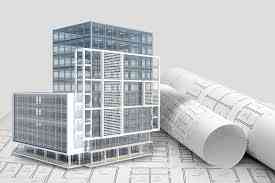
The UAE construction market is one of the most ambitious and fast-growing in the world. From luxury residential towers and smart city developments to airports, hospitals, and mega infrastructure projects, the scale and complexity of projects continue to increase every year. With tight schedules, strict authority approvals, and high client expectations, contractors and engineering consultants cannot afford errors or delays.
This is why Structural BIM Services have become a fundamental part of modern construction planning across Dubai, Abu Dhabi, Sharjah, and other emirates. Structural Building Information Modeling is no longer just about 3D visualization. It plays a critical role in coordination, accuracy, cost control, and project efficiency.
However, the real challenge is not whether to use BIM, but choosing the right Structural BIM service provider. The wrong partner can cause miscommunication, poor quality models, and costly rework. The right provider, on the other hand, becomes a long-term asset to your business.
This guide explains the most important factors UAE contractors and engineers should consider when selecting a Structural BIM partner.
Understanding the Role of a Structural BIM Provider
Before choosing a provider, it is important to understand what Structural BIM Services truly involve.
A professional BIM partner does much more than create 3D models. They support the full structural lifecycle of a project, including modeling, detailing, coordination, and documentation. Their work directly impacts how smoothly your project runs on site.
Typical services include structural modeling, reinforcement detailing, steel detailing, clash detection, quantity take-offs, shop drawings, and as-built documentation. These deliverables help engineers avoid design conflicts and enable contractors to execute work efficiently.
Because structural elements are the backbone of any building, accuracy and reliability are critical. Even small errors in modeling beams, slabs, or foundations can lead to major construction issues. This is why selecting the right provider is so important.
Experience in UAE Construction Standards
The UAE has its own building regulations, approval systems, and construction practices. A provider that understands international BIM but lacks regional knowledge may create models that do not align with local authority requirements.
When evaluating a BIM partner, always check their experience in UAE-based projects. A provider familiar with Dubai Municipality, Abu Dhabi regulations, and regional codes will produce documentation that meets approval standards without repeated revisions.
Local experience also means they understand practical challenges such as high-rise construction, extreme temperatures, tight urban sites, and fast-track schedules. This knowledge improves constructability and reduces on-site complications.
Working with an experienced regional specialist like Engisoft Engineering ensures that structural models are created with both technical accuracy and local practicality in mind.
Technical Expertise and Skilled Team
Structural BIM is not just software work. It requires engineering knowledge.
Your provider should have qualified structural engineers, not just modelers. Engineers understand load paths, reinforcement logic, connection behavior, and structural performance. This ensures the model reflects real-world engineering principles.
Ask about the team’s qualifications and experience. A reliable partner will have experts who specialize in concrete, steel, and precast systems.
A skilled team delivers:
• Accurate structural detailing
• Practical fabrication drawings
• Reduced modeling mistakes
• Better coordination with consultants
Choosing technical expertise over low pricing always pays off in the long run.
Software Capability and Technology Stack
BIM technology evolves rapidly. Your provider should use modern tools and updated workflows.
Professional firms typically work with platforms such as Revit, Tekla Structures, Navisworks, and other advanced coordination tools. These systems allow detailed modeling, automated quantities, and accurate clash detection.
Using outdated software often results in compatibility issues and limited output quality. Always confirm that your BIM partner can integrate smoothly with your existing systems.
Modern technology ensures:
• Faster modeling
• Better visualization
• Seamless file sharing
• Higher precision
This directly improves overall project efficiency.
Proven Project Portfolio
Past performance is one of the best indicators of reliability.
Always review the provider’s portfolio. Look for completed projects similar to yours in size and complexity. High-rise buildings, commercial spaces, industrial facilities, and infrastructure projects all require different approaches.
A strong portfolio shows that the provider can handle real-world challenges and deliver results under pressure.
Request case studies or sample deliverables such as shop drawings or coordinated models. This gives you a clear idea of their quality standards.
A company that has successfully supported large UAE developments is far more trustworthy than one with only small or overseas projects.
Quality Control and Accuracy Standards
Accuracy is everything in structural BIM.
A single modeling error can cause delays, extra material costs, or structural issues during construction. Therefore, your provider must follow strict quality control procedures.
Ask about their checking processes. Professional BIM companies usually have multi-level reviews where engineers verify models before final delivery.
Quality assurance practices should include:
• Internal model reviews
• Clash detection reports
• Drawing validation
• Consistency checks
These steps ensure you receive reliable, error-free deliverables.
Never compromise on quality to save costs. Rework on site is always more expensive than proper modeling.
Communication and Collaboration
Structural BIM requires constant interaction between architects, MEP engineers, contractors, and consultants. Poor communication leads to delays and misunderstandings.
Your BIM provider should be responsive, proactive, and easy to collaborate with. Clear communication channels and regular updates are essential.
Look for teams that:
• Attend coordination meetings
• Provide progress reports
• Respond quickly to queries
• Adapt to design changes
Good collaboration ensures smooth workflows and avoids last-minute surprises.
Time zone compatibility is another advantage when working with UAE-based or regional providers, as communication is faster and more effective.
Scalability and Flexibility
Construction workloads fluctuate. Some projects require large BIM teams, while others need only minimal support.
A reliable provider should offer scalable resources. They must be able to increase manpower during peak phases and adjust during slower periods.
This flexibility helps contractors manage costs efficiently. Instead of maintaining a permanent team, you can scale resources based on project demand.
Scalable BIM support is particularly useful for contractors handling multiple developments across the UAE at the same time.
Cost Transparency and Value
Price matters, but value matters more.
Choosing the cheapest provider often leads to poor results. Instead, focus on transparent pricing and overall value.
A good BIM partner clearly defines deliverables, timelines, and costs. There should be no hidden charges or unclear scope.
Evaluate what you receive for the price:
• Level of detail
• Team expertise
• Quality assurance
• Technology used
• Turnaround time
Investing in quality services reduces long-term risks and improves profitability.
Data Security and Confidentiality
Structural models contain sensitive project information. Sharing this data with an external provider requires trust.
Your BIM partner must follow strict data security practices. Confidentiality agreements, secure servers, and controlled access systems are essential.
Ensure they protect:
• Project drawings
• Structural calculations
• Client data
• Intellectual property
Reliable providers treat your information with the highest level of security.
Timely Delivery and Reliability
Deadlines are critical in UAE construction. Delays can result in penalties or contract disputes.
Your BIM provider must have a strong record of delivering on time. Consistent scheduling and dependable performance are non-negotiable.
Ask about their turnaround times and resource capacity. Reliable partners plan workloads carefully to meet commitments.
Timely BIM deliverables keep approvals, procurement, and construction on track.
Long-Term Partnership Approach
Instead of viewing BIM as a one-time service, think of it as a long-term partnership.
The right provider understands your workflows, standards, and preferences over time. This familiarity improves efficiency and reduces onboarding time for future projects.
Long-term collaboration leads to:
• Faster execution
• Better consistency
• Improved trust
• Streamlined communication
Building a stable partnership helps contractors maintain smooth operations across multiple developments.
Final Thoughts
Choosing the right Structural BIM Service Provider is a strategic decision that directly impacts your project’s success. In the competitive UAE construction market, accuracy, speed, and reliability are essential.
A qualified provider brings technical expertise, local experience, modern technology, and strong collaboration skills. They help reduce errors, improve coordination, and keep projects within budget and on schedule.
By carefully evaluating experience, quality standards, communication practices, and scalability, contractors and engineers can select a partner who truly adds value.

 English
 Arabic
 French
 Spanish
 Portuguese
 Deutsch
 Dutch
Dutch
 Italiano
 Russian
 Romaian
 Portuguese (Brazil)
 Greek
Greek
