


 Downloader
 Free FTP
What grit size is ideal for surface preparation tasks
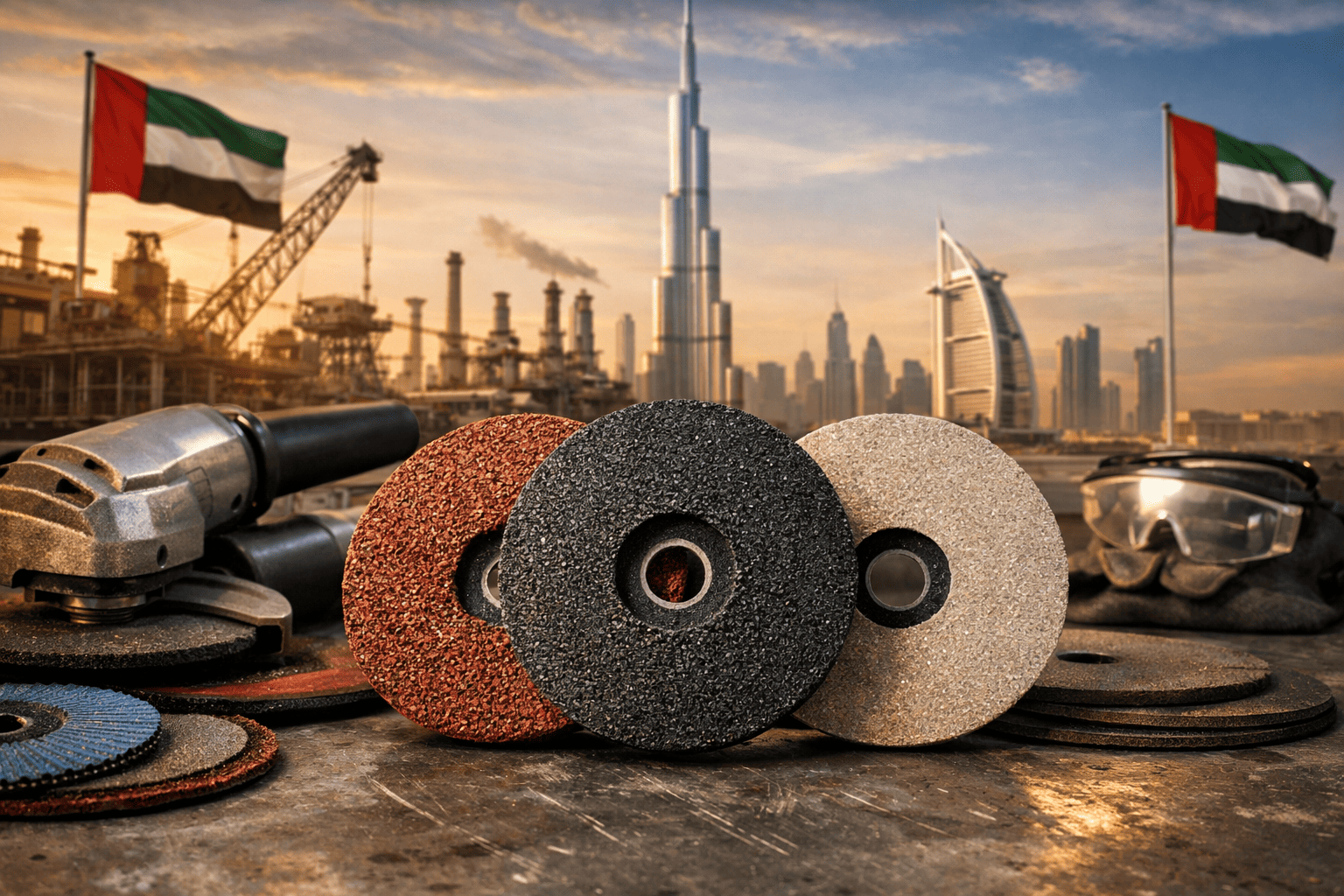
Surface preparation can make or break the quality of any construction, fabrication, or finishing project. Whether you’re smoothing welds, removing rust, or prepping metal before painting, choosing the right grinding disc grit size is essential. Yet, many professionals and DIY users in the UAE often ask the same question: What grit size is ideal for surface preparation tasks?
This blog post breaks it down in a simple, practical way—so you can select the correct grinding disc with confidence and achieve cleaner, safer, and more efficient results.
Why Grit Size Matters in Surface Preparation
Grit size refers to the coarseness of the abrasive particles on a grinding disc. The lower the grit number, the coarser the disc; the higher the number, the finer the finish.
Choosing the wrong grit size can lead to:
-
Excessive material removal
-
Uneven or scratched surfaces
-
Increased tool wear and project delays
According to industry data, improper abrasive selection can reduce efficiency by up to 30%, especially in metal fabrication and construction environments—both highly active sectors in the UAE.
Understanding Grinding Disc Grit Sizes
Here’s a quick breakdown of common grit ranges and their typical uses:
Coarse Grit (24–36) – Heavy Material Removal
Coarse grit grinding discs are ideal for aggressive surface preparation tasks such as:
-
Removing thick rust or corrosion
-
Grinding down weld seams
-
Shaping metal or concrete
These are commonly used on construction sites and industrial projects across the UAE, where speed and durability matter more than surface smoothness.
Best for: Steel beams, heavy machinery parts, and structural fabrication.
Medium Grit (40–60) – General Surface Preparation
Medium grit is the most versatile option and often considered the ideal grit size for surface preparation.
It’s perfect for:
-
Smoothing rough surfaces after coarse grinding
-
Preparing metal for painting or coating
-
Light weld blending
Many professionals prefer this range because it balances material removal with surface control. If you’re unsure which grinding disc to choose, medium grit is a safe and effective starting point.
Fine Grit (80–120) – Finishing and Refinement
Fine grit grinding discs are designed for precision rather than power.
They’re commonly used for:
-
Final surface smoothing
-
Removing light scratches
-
Prepping surfaces for polishing or finishing
In industries like aluminum fabrication or stainless-steel finishing—popular in architectural projects across Dubai and Abu Dhabi—fine grit discs help achieve a clean, professional look.
How to Choose the Right Grinding Disc for Your Task
When selecting a grinding disc, consider these key factors:
1.Material Type
- Steel and iron need tougher, coarser grits
- Aluminum and stainless steel respond better to finer grits
2. Desired Finish
- Structural work → coarse to medium grit
- Decorative or visible surfaces → medium to fine grit
3. Tool Compatibility
Always ensure the grinding disc matches your angle grinder’s speed and size specifications.
A practical rule of thumb used by many UAE contractors is to start coarse and gradually move finer, rather than trying to achieve everything with one disc.
Expert Insight: One Disc Doesn’t Do It All
As one experienced metal fabricator in Sharjah put it:
“Using the correct grinding disc grit saves time, reduces fatigue, and gives a cleaner finish. It’s not about working harder—it’s about working smarter.”
This approach also improves safety, as excessive force caused by the wrong grit can lead to disc damage or tool kickback.
Common Mistakes to Avoid
-
Using coarse grit for finishing tasks
-
Applying too much pressure instead of letting the disc do the work
-
Skipping grit progression when surface quality matters
Avoiding these mistakes can extend disc life and improve overall project quality.
Conclusion: The Ideal Grit Size Depends on the Job
So, what grit size is ideal for surface preparation tasks? The answer depends on your goal—but medium grit grinding discs (40–60) are generally the most versatile and widely used. For heavy removal, go coarse. For finishing, go fine.
By choosing the right grinding disc grit size, you’ll save time, improve results, and work more efficiently—whether you’re on a large construction site or a small workshop in the UAE.

 English
 Arabic
 French
 Spanish
 Portuguese
 Deutsch
 Turkish
 Dutch
Dutch
 Italiano
 Russian
 Portuguese (Brazil)
 Greek
Greek
