


 Downloader
 Free FTP
Hospital Furniture – Complete Guide to Quality, Types, and Modern Healthcare Needs
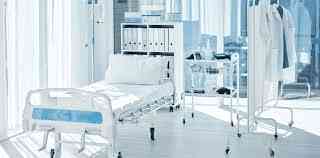
Hospital furniture plays a vital role in creating a safe, comfortable, and efficient healthcare environment. From patient beds and examination tables to waiting area seating and medical storage units, well-designed hospital furniture supports patient care, improves staff efficiency, and meets strict hygiene standards. As healthcare facilities continue to modernize, the demand for durable, ergonomic, and functional hospital furniture is growing rapidly.
This comprehensive guide explains what hospital furniture is, its importance, common types, key features to consider, and how it supports modern healthcare facilities.
What Is Hospital Furniture
Hospital furniture refers to specially designed furniture used in medical and healthcare settings such as hospitals, clinics, diagnostic centers, and nursing homes. Unlike regular furniture, hospital furniture is built to withstand heavy use, support medical procedures, and maintain high levels of cleanliness and safety.
It is designed to meet healthcare regulations while ensuring comfort for patients and ease of use for doctors, nurses, and caregivers.
Importance of Hospital Furniture in Healthcare Facilities
Hospital furniture directly impacts patient experience and clinical efficiency. The right furniture improves comfort, safety, and workflow within healthcare environments.
Enhancing Patient Comfort and Recovery
Comfortable hospital beds, chairs, and stretchers help patients rest properly and recover faster. Adjustable features allow patients to find comfortable positions, reducing pain and stress.
Supporting Medical Staff Efficiency
Ergonomic furniture enables healthcare professionals to perform their duties with ease. Well-designed trolleys, tables, and cabinets reduce physical strain and save time during medical procedures.
Maintaining Hygiene and Safety
Hospital furniture is made from materials that are easy to clean and resistant to bacteria. This helps maintain infection control and ensures a safer environment for patients and staff.
Types of Hospital Furniture
Healthcare facilities require a wide range of furniture to support different departments and functions.
Hospital Beds
Hospital beds are one of the most essential pieces of hospital furniture. They come in various types, including manual beds, semi-electric beds, and fully electric beds.
Modern hospital beds offer adjustable height, backrest, and leg positions, allowing better patient comfort and caregiver access.
Examination Tables
Examination tables are used in consultation rooms and clinics. They are designed to support patient examinations and minor procedures.
These tables are often height-adjustable and upholstered with easy-to-clean materials to maintain hygiene.
Patient Chairs and Recliners
Patient chairs and recliners are used in wards, waiting areas, and treatment rooms. Recliner chairs are especially important in dialysis centers and infusion rooms, where patients sit for long periods.
Medical Trolleys
Medical trolleys help staff transport medicines, instruments, and equipment efficiently. They are commonly used in operation theaters, emergency rooms, and wards.
Trolleys are designed with smooth wheels and multiple compartments for organized storage.
Cabinets and Storage Units
Hospital cabinets and storage units store medical supplies, documents, and equipment safely. These units help maintain organization and quick access in busy healthcare settings.
Overbed Tables
Overbed tables are designed to be placed over hospital beds. They allow patients to eat, read, or use electronic devices comfortably while in bed.
Stretchers and Wheelchairs
Stretchers and wheelchairs are essential for patient mobility and emergency care. They are designed for easy movement, patient safety, and durability.
Key Features of High-Quality Hospital Furniture
Choosing the right hospital furniture requires careful consideration of several important features.
Durability and Strength
Hospital furniture must withstand continuous use and heavy loads. High-quality materials such as stainless steel and reinforced frames ensure long-term durability.
Ergonomic Design
Ergonomic furniture reduces strain on healthcare staff and improves patient comfort. Adjustable features allow customization for different needs.
Easy Maintenance and Cleaning
Hospital furniture should have smooth surfaces and antimicrobial coatings to allow easy cleaning and disinfection.
Mobility and Flexibility
Many hospital furniture items are designed with wheels for easy movement. Lockable casters ensure stability when required.
Safety Features
Rounded edges, secure locking systems, and stable structures reduce the risk of accidents and injuries.
Role of Hospital Furniture in Modern Healthcare
Modern healthcare facilities focus on patient-centered care, efficiency, and safety. Hospital furniture plays a critical role in achieving these goals.
Improving Patient Experience
Comfortable and modern furniture creates a positive impression and reduces patient anxiety. A well-furnished hospital environment contributes to overall patient satisfaction.
Supporting Advanced Medical Technology
Today’s hospital furniture is designed to integrate with medical equipment and technology. For example, beds with built-in monitoring support and adjustable accessories improve patient care.
Enhancing Workflow Efficiency
Organized storage units and mobile trolleys help healthcare staff work efficiently, reducing delays and errors.
Choosing the Right Hospital Furniture
Selecting hospital furniture requires understanding the specific needs of a healthcare facility.
Assessing Facility Requirements
Different departments require different furniture. For example, ICU beds differ from general ward beds, and operation theaters require specialized furniture.
Quality and Compliance
Ensure that hospital furniture meets healthcare standards and safety regulations. Certified products provide reliability and long-term value.
Budget and Cost Efficiency
While cost is important, quality should never be compromised. Durable furniture reduces replacement and maintenance costs over time.
Supplier Reliability
Choosing a trusted hospital furniture supplier ensures timely delivery, warranty support, and after-sales service.
Maintenance and Care of Hospital Furniture
Proper maintenance extends the life of hospital furniture and ensures safety.
Regular cleaning and disinfection help maintain hygiene. Periodic inspections ensure that moving parts and locking mechanisms function correctly.
Training staff on proper usage also helps prevent damage and ensures patient safety.
Future Trends in Hospital Furniture
The healthcare industry continues to evolve, and hospital furniture is adapting to new demands.
Smart hospital furniture with integrated technology is becoming more common. Adjustable beds with digital controls and monitoring features improve patient care.
Eco-friendly materials and sustainable designs are also gaining attention as healthcare facilities aim to reduce environmental impact.
Final Thoughts on Hospital Furniture
Hospital furniture is more than just functional equipment; it is a critical component of effective healthcare delivery. From patient comfort and safety to staff efficiency and hygiene, the right furniture supports every aspect of medical care.
Investing in high-quality hospital furniture helps healthcare facilities create a safe, comfortable, and efficient environment for patients and medical professionals alike. As healthcare needs continue to grow, well-designed hospital furniture will remain essential for delivering quality care and improving patient outcomes.

 Arabic
 French
 Spanish
 Portuguese
 Deutsch
 Turkish
 Dutch
Dutch
 Italiano
 Russian
 Romaian
 Portuguese (Brazil)
 Greek
Greek
