


 Downloader
 Free FTP
Nante Outdoor Electrical Distribution Panel Design for Harsh Environments
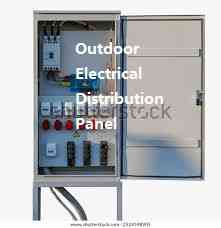
In large-scale infrastructure projects, engineers often position an Outdoor Electrical Distribution Panel in the middle of power routing plans to centralize protection and control, while maintenance teams rely on an Outdoor Electrical Distribution Panel placed near load clusters to simplify inspections and fault isolation under demanding environmental conditions. This dual role makes outdoor panels a foundational element in safe, reliable power delivery rather than a simple enclosure choice.
Environmental pressures shaping outdoor power systems
Outdoor electrical systems are exposed to forces that indoor installations never experience. Rain, snow, dust, ultraviolet radiation, salt spray, and fluctuating temperatures constantly challenge enclosure integrity and internal components. Over time, these stressors can weaken insulation, corrode conductors, and compromise protective devices. Designers must therefore anticipate worst-case exposure, not just average conditions, and select panel designs that maintain performance even when seals age or surfaces accumulate debris.
Enclosure materials and structural engineering
Material selection defines durability. Stainless steel and treated aluminum offer strength and corrosion resistance, while engineered polymers provide excellent insulation and immunity to rust. Structural considerations include reinforced frames, rigid mounting plates, and door designs that resist warping. Sloped tops help shed water, while recessed openings reduce direct exposure to wind-driven rain. Together, these features preserve alignment of internal components and maintain consistent protection throughout the panel’s service life.
Nante Outdoor Electrical Distribution Panel installation principles
Correct installation is as critical as enclosure quality. Panels should be mounted above known water levels, anchored securely to resist vibration and wind loads. Cable entries must be properly sealed and strain-relieved to prevent mechanical stress from reaching terminals. Clear internal labeling, logical circuit grouping, and accessible protective devices reduce service time and error rates. When installation follows disciplined procedures, the panel’s designed ingress protection and safety margins remain intact for years.
Thermal management and internal organization
Outdoor panels often house breakers, contactors, meters, and communication modules that generate heat. Without proper thermal planning, internal temperatures can rise enough to shorten component life or trigger nuisance trips. Passive strategies include reflective finishes, ventilation channels, and internal spacing that promotes airflow. In higher-load applications, filtered fans or heat exchangers may be required. Organizing components by heat output and criticality further stabilizes internal conditions and simplifies troubleshooting.
Safety compliance and operational accessibility
Compliance with electrical codes ensures predictable behavior under fault conditions and protects both equipment and personnel. Grounding systems, clearances, and arc containment features must align with applicable standards. User interaction also matters: doors should open smoothly, protective barriers should prevent accidental contact with live parts, and lock options may be necessary in public or industrial settings. Designing for safe access reduces misuse and supports efficient routine inspections.
Maintenance planning and lifecycle efficiency
Even the most robust outdoor panel benefits from planned maintenance. Regular inspections identify early signs of gasket hardening, corrosion, or loose connections. Cleaning ventilation paths, re-torquing terminals, and verifying protective device operation prevent small issues from escalating into outages. Standardizing panel layouts and components across multiple sites simplifies spare management and technician training, lowering total cost of ownership over the system’s lifespan.
Reliable outdoor power distribution depends on thoughtful integration of materials, structure, thermal control, and maintenance strategy. By treating outdoor panels as long-term infrastructure assets rather than one-time purchases, project teams can achieve safer operation, reduced downtime, and predictable performance across diverse environments. For deeper technical context and application guidance, you can naturally explore https://www.nante.com/news/industry-news/outdoor-electrical-distribution-panel-nante.html

 English
 Arabic
 French
 Spanish
 Portuguese
 Deutsch
 Turkish
 Dutch
Dutch
 Italiano
 Romaian
 Portuguese (Brazil)
 Greek
Greek
