


 Downloader
 Free FTP
Psychological Causes of Erectile Dysfunction Explained
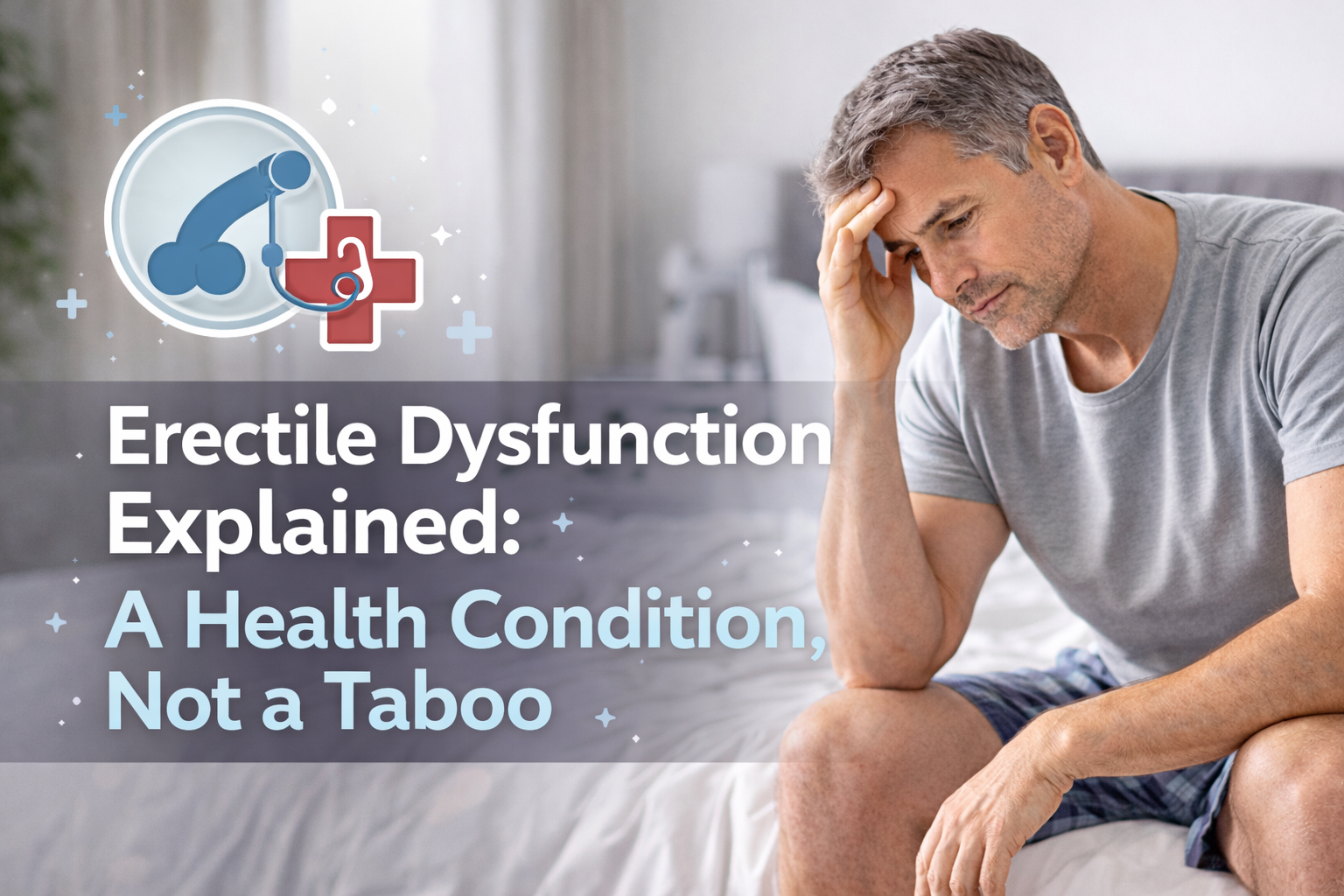
Erectile dysfunction (ED) is often associated with physical causes such as poor circulation, hormonal imbalance, or chronic illness. However, a significant number of men experience erectile difficulties rooted primarily in psychological factors. These mental and emotional influences can affect sexual performance at any age and are frequently overlooked or misunderstood.
Understanding the psychological causes of erectile dysfunction is essential for proper diagnosis, effective treatment, and long-term sexual well-being. When mental health is addressed alongside physical health, outcomes are often far more successful and sustainable.
The Mind–Body Connection in Sexual Function
An erection is not solely a physical response it is the result of a complex interaction between the brain, nervous system, hormones, emotions, and blood vessels. Sexual arousal begins in the mind. When psychological barriers interfere with this process, the body may fail to respond, even if physical health is otherwise normal.
Stress, anxiety, and emotional distress can disrupt nerve signaling, increase stress hormones, and prevent the relaxation of blood vessels required for an erection. This explains why psychological erectile dysfunction can occur suddenly and vary from situation to situation.
Performance Anxiety: A Common Trigger
One of the most common psychological causes of erectile dysfunction is performance anxiety. This occurs when a man becomes overly focused on his sexual performance, fearing failure or disappointing a partner.
Once anxiety takes hold, it activates the body’s stress response, releasing adrenaline and cortisol. These hormones constrict blood vessels and interfere with sexual arousal. Even a single episode of erection difficulty can create a cycle of fear and anticipation that worsens the problem over time.
Performance anxiety is particularly common among younger men and those entering new relationships.
Stress and Chronic Mental Pressure
Modern lifestyles expose many men to constant stress from work demands and financial responsibilities to family obligations and social expectations. Chronic stress keeps the body in a heightened state of alert, which is incompatible with sexual relaxation and arousal.
Long-term stress reduces testosterone production, disrupts sleep, and increases fatigue, all of which negatively affect sexual function. When stress becomes normalized, men may not recognize it as a contributing factor to erectile difficulties.
Depression and Emotional Disconnection
Depression is strongly linked to erectile dysfunction. Men experiencing depression often report reduced libido, low self-esteem, emotional numbness, and fatigue. These symptoms directly interfere with sexual desire and responsiveness.
Additionally, some antidepressant medications may further impact sexual function, creating a complex situation that requires professional guidance rather than self-management.
Emotional withdrawal and lack of motivation associated with depression can also strain relationships, compounding sexual difficulties.
Relationship Issues and Emotional Intimacy
Sexual health does not exist in isolation from emotional connection. Relationship conflicts, unresolved resentment, lack of communication, or trust issues can significantly affect erectile function.
When intimacy becomes emotionally charged or stressful, the body may subconsciously resist sexual engagement. Even in long-term relationships, changes in dynamics or unspoken tensions can manifest as erectile difficulties.
Open communication and emotional reconnection often play a crucial role in resolving psychologically driven ED.
Past Sexual Experiences and Conditioning
Negative sexual experiences such as past embarrassment, rejection, trauma, or criticism can leave lasting psychological imprints. These experiences may condition the brain to associate sexual situations with fear or failure rather than pleasure.
This conditioning can persist even when circumstances change, leading to erectile difficulties that feel confusing or out of proportion to the present situation. Addressing these experiences through therapy can help reframe emotional responses and restore confidence.
Low Self-Esteem and Body Image Concerns
How a man perceives himself plays a major role in sexual confidence. Concerns about body image, aging, physical appearance, or masculinity can undermine arousal and erection quality.
Self-critical thoughts during intimacy distract the mind from erotic focus and activate anxiety. Over time, this internal dialogue becomes a barrier to natural sexual response.
Building self-esteem and reshaping negative thought patterns are key steps in managing psychologically driven ED.
The Role of Sexual Expectations and Misinformation
Unrealistic expectations about sexual performance often influenced by media or pornography can distort perceptions of normal sexual function. Comparing oneself to unrealistic standards increases pressure and dissatisfaction.
This mismatch between expectation and reality fuels anxiety and self-doubt, which directly interfere with erectile function. Education and realistic understanding of sexual health help reduce these pressures.
Psychological ED vs. Physical ED
Psychological erectile dysfunction often has distinct characteristics:
-
Sudden onset rather than gradual decline
-
Erections present during sleep or masturbation but not during partnered sex
-
Variability depending on situation or partner
-
Strong association with stress or emotional state
These patterns help healthcare professionals distinguish psychological causes from physical ones, though both may coexist.
Treatment Approaches for Psychological Erectile Dysfunction
Effective management focuses on addressing root psychological causes rather than masking symptoms alone.
Psychological Therapy
Cognitive behavioral therapy (CBT), sex therapy, and counseling help identify and reshape negative thought patterns, reduce anxiety, and rebuild sexual confidence.
Stress Management
Mindfulness practices, exercise, improved sleep, and work-life balance reduce stress hormones that interfere with sexual function.
Relationship Counseling
Couples therapy can improve communication, emotional intimacy, and mutual understanding, reducing pressure around sexual performance.
Medical Support
In some cases, healthcare providers may discuss supportive options such as climax delay spray as part of a broader, professionally guided plan. However, such products should never replace proper psychological assessment or long-term mental health care.
Why Professional Guidance Matters
Self-diagnosis and avoidance often prolong psychological erectile dysfunction. A qualified healthcare professional can assess both mental and physical contributors, ensuring safe and effective treatment.
Seeking help is not a sign of weakness it is a proactive step toward better health, confidence, and quality of life.
Final Thoughts
Psychological causes of erectile dysfunction are common, real, and highly treatable. Stress, anxiety, depression, relationship dynamics, and self-perception all play powerful roles in sexual function.
By addressing mental and emotional well-being alongside physical health, men can break the cycle of anxiety and restore natural sexual responsiveness. Understanding the mind–body connection empowers men to move from frustration to confidence, improving not only sexual health but overall emotional resilience.

 English
 Arabic
 French
 Spanish
 Portuguese
 Deutsch
 Dutch
Dutch
 Italiano
 Russian
 Romaian
 Portuguese (Brazil)
 Greek
Greek
