


 Downloader
 Free FTP
Green Peas Nutrition Guide by elworldorganic
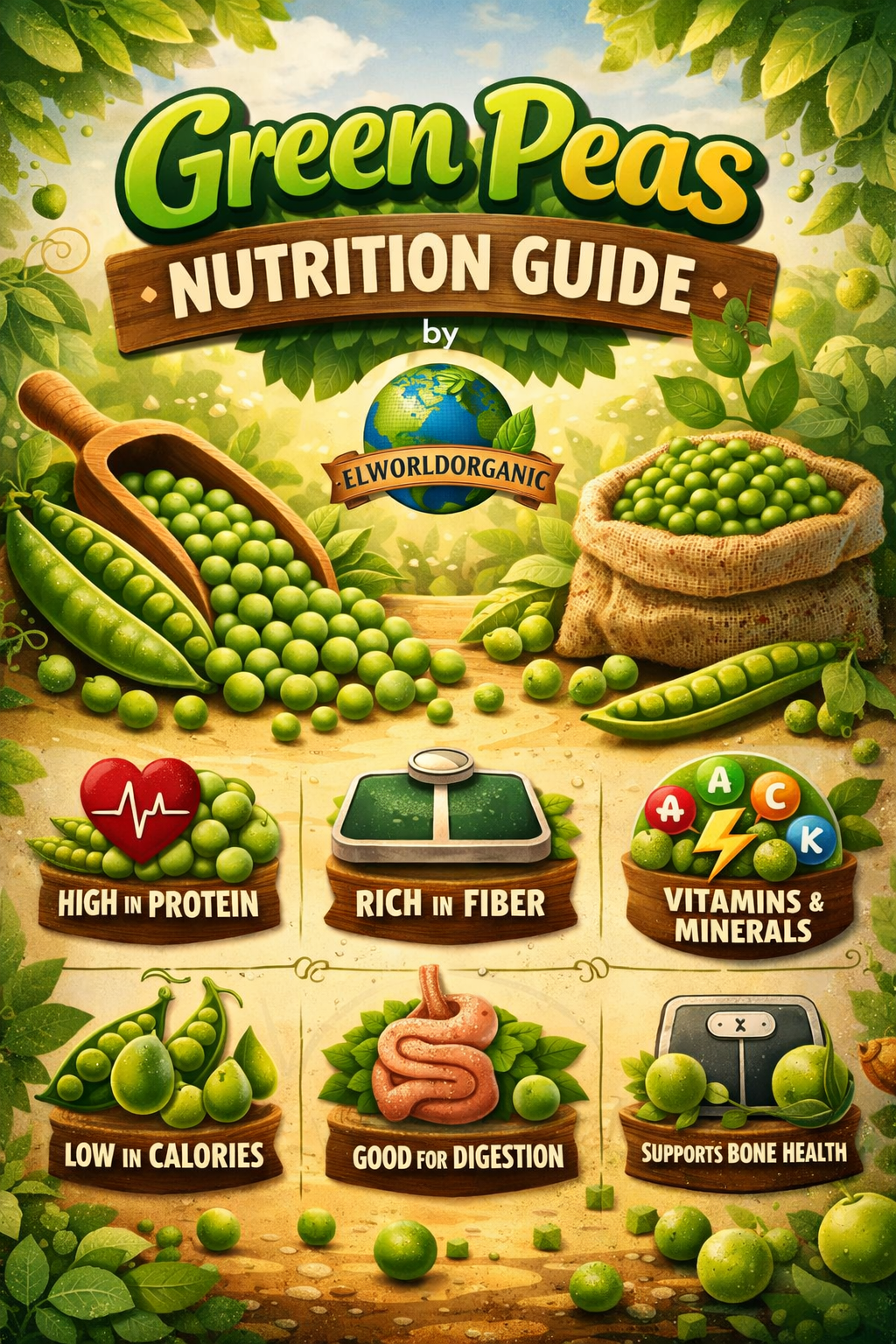
A Comprehensive Nutritional Overview
At elworldorganic, we believe in presenting food knowledge with precision, authenticity, and depth. Green Peas have long been valued in traditional and modern kitchens for their nutritional density and versatility. These small legumes deliver a powerful combination of plant-based protein, dietary fiber, essential vitamins, and minerals that support a balanced and wholesome lifestyle. Cultivated carefully and consumed globally, they form a vital component of nutrient-conscious meal planning.
Macronutrient Composition and Energy Value
Green Peas are a remarkable source of plant-derived macronutrients. They provide a balanced proportion of carbohydrates for sustained energy, protein to support muscle maintenance, and negligible fat content. The carbohydrate profile is primarily complex, allowing for gradual glucose release. This makes them suitable for individuals seeking stable energy levels throughout the day. Their protein quality is enhanced when paired with grains such as basmati rice, creating a complete amino acid profile ideal for balanced meals.
Dietary Fiber and Digestive Wellness
Dietary fiber is a defining nutritional feature of peas. Both soluble and insoluble fibers are present, contributing to digestive efficiency and gut health. Soluble fiber assists in maintaining healthy cholesterol levels, while insoluble fiber promotes regular bowel movements. Consistent inclusion of fiber-rich foods supports metabolic balance and contributes to long-term digestive comfort without unnecessary strain on the system.
Vitamin Profile and Functional Benefits
Peas offer a diverse range of vitamins that contribute to overall vitality. They are naturally rich in vitamin C, which supports immune defense and collagen synthesis. Vitamin K plays a crucial role in maintaining bone strength and supporting normal blood clotting mechanisms. The presence of B-complex vitamins, including folate, contributes to cellular regeneration and neurological function. This vitamin synergy enhances daily nutritional adequacy when consumed as part of a varied diet.
Mineral Content and Structural Support
Minerals found in peas support structural and metabolic processes. Iron contributes to oxygen transport within the bloodstream, while magnesium supports muscle relaxation and nerve signaling. Potassium aids in maintaining electrolyte balance and cardiovascular rhythm. Phosphorus supports bone mineralization and energy metabolism. Together, these minerals form a cohesive framework that sustains physical resilience and internal balance.
Plant-Based Protein and Muscle Maintenance
For individuals seeking plant-forward nutrition, peas provide a reliable protein source. The protein content supports tissue repair, muscle preservation, and enzymatic activity. When incorporated into meals alongside traditional fats such as A2 Desi cow ghee, protein absorption and satiety are enhanced, contributing to a more satisfying and nutritionally complete dining experience.
Antioxidant Properties and Cellular Protection
Peas contain naturally occurring antioxidants that help combat oxidative stress. Flavonoids, carotenoids, and polyphenols contribute to cellular protection by neutralizing free radicals. These compounds support long-term cellular integrity and are associated with maintaining youthful cellular function. Regular dietary inclusion contributes to sustained wellness at the cellular level.
Culinary Versatility and Cultural Relevance
Across global cuisines, peas are valued for their adaptability. They integrate seamlessly into soups, stews, rice preparations, and vegetable medleys. Their mild flavor profile complements spices, herbs, and fats without overpowering other ingredients. This versatility ensures consistent dietary inclusion without monotony, supporting long-term adherence to nutritious eating patterns.
Sustainable Agriculture and Ethical Sourcing
At elworldorganic, sourcing practices emphasize sustainability and soil health. Peas contribute positively to agricultural ecosystems by enhancing soil nitrogen levels naturally. This reduces dependency on synthetic fertilizers and supports regenerative farming practices. Ethical cultivation ensures nutrient integrity while preserving environmental balance for future generations.
Role of Green Peas in Balanced Nutrition
Strategically incorporating Green Peas into daily meals supports macronutrient balance, micronutrient sufficiency, and dietary diversity. Their compatibility with grains, dairy fats, and vegetables allows for flexible meal construction suited to varied dietary preferences. This adaptability makes them an essential component of nutrient-conscious food planning.
Integration into Modern Dietary Patterns
Modern nutritional approaches emphasize whole foods with minimal processing. Peas align seamlessly with this philosophy. They support plant-forward diets, traditional home-style cooking, and contemporary wellness-focused meal plans. Their ease of preparation and storage further enhances their practicality in modern households.
Conclusion
Nutritional excellence lies in simplicity, quality, and balance. Green Peas exemplify these principles through their dense nutrient profile, culinary flexibility, and sustainable cultivation. At Elworldorganic, we remain committed to promoting foods that nourish holistically while respecting tradition and environmental responsibility. Thoughtful inclusion of such nutrient-rich ingredients supports long-term wellness and mindful living without compromise.

 Arabic
 French
 Spanish
 Portuguese
 Deutsch
 Turkish
 Dutch
Dutch
 Italiano
 Russian
 Romaian
 Portuguese (Brazil)
 Greek
Greek
