


 Downloader
 Free FTP
Trace Moisture Analyser | Precision Measurement for Critical Industrial Applications
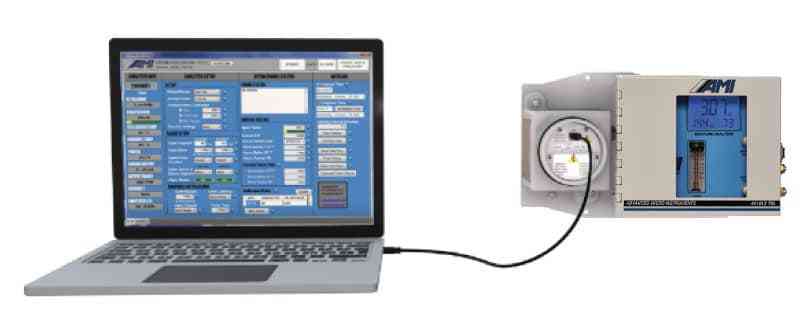
In many industrial environments, even the smallest amount of moisture can cause serious problems. From reduced product quality to equipment damage and safety risks, uncontrolled moisture is a hidden threat across numerous sectors. This is why accurate moisture detection has become an essential part of modern quality control and process management. A Trace Moisture Analyser is designed to detect extremely low levels of moisture with high accuracy, helping industries maintain product integrity, operational efficiency, and regulatory compliance.
This detailed article explores the importance of trace-level moisture measurement, how these systems work, and why they are indispensable in today’s precision-driven industries.
Why Moisture Control Is So Critical
Moisture may seem harmless, but in industrial processes it can lead to corrosion, chemical instability, electrical faults, and compromised product performance. In industries dealing with gases, chemicals, pharmaceuticals, and electronics, even microscopic traces of water can have a significant impact.
Moisture control is not only about protecting products; it is also about ensuring safety and reliability. Excess moisture in compressed air systems, pipelines, or sealed environments can shorten equipment lifespan and increase maintenance costs. Accurate detection allows businesses to act before moisture becomes a serious problem.
Understanding Trace-Level Moisture Measurement
Trace-level moisture measurement focuses on detecting water content at extremely low concentrations, often measured in parts per million (ppm) or even parts per billion (ppb). Traditional moisture meters are not sensitive enough for such applications, which is why advanced analytical instruments are required.
A Trace Moisture Analyser is specifically engineered to provide this level of sensitivity. It enables operators to monitor moisture levels continuously or through spot checks, ensuring that even the smallest deviations are identified quickly.
How These Analysers Work
Trace moisture detection systems rely on highly sensitive sensor technologies. Common sensing methods include electrolytic, ceramic, capacitive, and quartz crystal-based sensors. Each technology has its own advantages depending on the application and environmental conditions.
The analyser samples gas or liquid from the process line and measures the moisture content using the sensor. The results are then displayed digitally, allowing operators to make informed decisions in real time. Many modern systems also include alarms and data logging features for long-term monitoring and compliance reporting.
Key Benefits for Industrial Operations
Accurate moisture measurement offers a wide range of operational benefits that go beyond simple data collection.
Improved Product Quality
Maintaining strict moisture limits ensures consistent product performance, especially in sensitive manufacturing processes.
Equipment Protection
Early detection of moisture helps prevent corrosion, blockages, and damage to critical components.
Process Stability
Stable moisture levels contribute to predictable and repeatable production outcomes.
Regulatory Compliance
Many industries must meet strict standards for moisture control, and accurate measurement supports audit readiness.
By using a Trace Moisture Analyser, companies gain greater control over their processes and reduce the risk of costly failures.
Industries That Rely on Trace Moisture Measurement
Oil and Gas
Moisture in natural gas and process gases can cause corrosion and hydrate formation. Accurate monitoring is essential for pipeline integrity and safety.
Pharmaceuticals
In pharmaceutical manufacturing, moisture control is critical to ensure product stability, shelf life, and compliance with strict quality standards.
Electronics and Semiconductor Manufacturing
Even trace amounts of moisture can damage sensitive electronic components. Precision monitoring supports cleanroom environments and high-yield production.
Chemical Processing
Many chemical reactions are sensitive to water content. Accurate moisture measurement helps maintain reaction efficiency and product purity.
Across these sectors, the role of advanced moisture detection is central to operational success.
Integration with Modern Process Systems
Modern moisture analysers are designed to integrate seamlessly with existing control systems. Digital communication protocols allow data to be shared with supervisory control and data acquisition (SCADA) systems, enabling centralized monitoring and automated responses.
Remote monitoring capabilities also allow maintenance teams to track moisture trends over time, identify potential issues, and plan preventive maintenance. This data-driven approach reduces downtime and improves overall system reliability.
Maintenance and Calibration Considerations
To ensure long-term accuracy, moisture analysers require regular calibration and proper maintenance. Calibration ensures that sensor readings remain reliable over time, especially in harsh industrial environments.
Routine checks, sensor cleaning, and adherence to manufacturer guidelines help maintain performance. Proper installation is also crucial, as incorrect sampling methods can lead to inaccurate readings.
A well-maintained Trace Moisture Analyser delivers consistent results and supports dependable process control.
Challenges in Trace Moisture Detection
Measuring extremely low moisture levels is technically challenging. Factors such as temperature fluctuations, pressure changes, and contamination can affect readings. Selecting the right sensor technology and installation method is essential to overcome these challenges.
Experienced operators and clear operating procedures further enhance measurement accuracy and reliability.
Future Trends in Moisture Analysis
As industries continue to adopt automation and digital transformation, moisture analysis technology is evolving rapidly. Smarter sensors, improved data analytics, and enhanced connectivity are shaping the future of process monitoring.
Predictive maintenance, real-time alerts, and integration with artificial intelligence systems will further enhance the value of trace-level moisture measurement. These advancements ensure that moisture control remains aligned with the demands of modern industrial operations.
Conclusion
Precision moisture control is a fundamental requirement in many industrial processes, where even the smallest amount of water can have serious consequences. Advanced measurement systems provide the accuracy, reliability, and insight needed to maintain strict quality standards and protect valuable assets.
By delivering highly sensitive and dependable measurements, a Trace Moisture Analyser plays a vital role in safeguarding product quality, process efficiency, and operational safety. For industries that demand absolute precision, investing in accurate trace moisture detection is not just beneficial—it is essential.

 English
 French
 Spanish
 Portuguese
 Deutsch
 Turkish
 Dutch
Dutch
 Italiano
 Russian
 Romaian
 Portuguese (Brazil)
 Greek
Greek
