


 Downloader
 Free FTP
Understanding MEP Systems: The Backbone of Modern Buildings
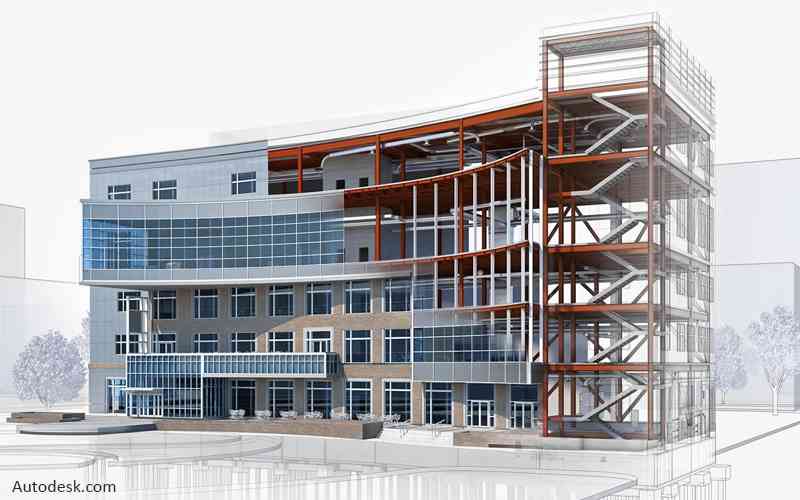
In the world of modern construction, a building’s functionality, efficiency, and comfort largely depend on its MEP systems mechanical, electrical, and plumbing systems. Often overlooked by non-specialists, MEP systems are the lifeblood of a building, ensuring proper heating, ventilation, air conditioning, power distribution, water supply, waste management, and fire safety. Without well-designed and coordinated MEP systems, even the most architecturally stunning buildings can face operational inefficiencies, high energy costs, and frequent maintenance issues.
This blog explores MEP systems in depth, their importance, key components, design considerations, modern innovations, and why partnering with expert providers like aec7d.com can transform your building projects.
What Are MEP Systems?
MEP systems refer to the integration of Mechanical, Electrical, and Plumbing components within a building. These systems work together to provide a safe, comfortable, and operational environment. Each discipline has a critical role:
-
Mechanical Systems: Cover heating, ventilation, air conditioning (HVAC), and other climate control equipment that regulate indoor air quality and temperature.
-
Electrical Systems: Include power distribution, lighting, emergency systems, fire alarms, and communication networks.
-
Plumbing Systems: Encompass water supply, drainage, waste management, and fire protection systems.
MEP systems are highly interdependent, and proper design and coordination are essential to avoid conflicts between disciplines, reduce costs, and ensure building efficiency.
Why MEP Systems Are the Backbone of Modern Buildings
Modern buildings are more complex than ever, with multiple floors, diverse occupants, and sophisticated amenities. MEP systems serve as the backbone of these structures for several reasons:
-
Operational Efficiency: Well-designed MEP systems optimize energy usage, reduce waste, and maintain comfortable indoor environments.
-
Safety and Compliance: Electrical and fire protection systems ensure building safety, while plumbing and water systems comply with health standards.
-
Sustainability: Energy-efficient MEP systems contribute to green building certifications and reduce environmental impact.
-
Occupant Comfort: HVAC and lighting systems enhance comfort, productivity, and overall user experience.
-
Long-Term Maintenance: Integrated MEP systems simplify maintenance and extend the building’s lifespan.
In essence, MEP systems enable buildings to function efficiently while supporting sustainability, safety, and user satisfaction.
Key Components of MEP Systems
MEP systems consist of multiple interconnected components that require precise planning, installation, and coordination.
Mechanical Systems
Mechanical systems primarily focus on HVAC (Heating, Ventilation, and Air Conditioning), including:
-
Air handling units and fans
-
Ductwork and vents
-
Chillers, boilers, and cooling towers
-
Pumps and motors
-
Energy recovery systems
Mechanical systems ensure proper indoor climate control, maintaining temperature, humidity, and air quality. Properly designed systems also optimize energy usage and reduce operational costs.
Electrical Systems
Electrical systems are responsible for power distribution, lighting, and emergency systems within a building. Key components include:
-
Main and sub-distribution panels
-
Wiring and conduits
-
Lighting fixtures and emergency lights
-
Fire alarms and detection systems
-
Communication networks, data cables, and IT infrastructure
Electrical systems not only provide power but also ensure safety, emergency response, and connectivity in modern buildings.
Plumbing Systems
Plumbing systems cover water supply, drainage, waste management, and fire protection. Components include:
-
Cold and hot water supply pipelines
-
Wastewater and stormwater drainage systems
-
Sanitary fixtures and faucets
-
Fire sprinkler and suppression systems
-
Pumps, valves, and water treatment systems
Proper plumbing system design is essential for hygiene, water conservation, and occupant comfort.
The Importance of MEP Coordination
MEP systems must work in harmony with architectural and structural elements. Without proper coordination:
-
HVAC ducts may clash with structural beams or ceilings
-
Electrical conduits may interfere with plumbing pipelines
-
Fire safety systems may not comply with regulations
BIM (Building Information Modeling) and advanced MEP coordination tools help avoid these conflicts by providing 3D digital models where all systems are visualized and integrated. Accurate MEP coordination reduces rework, saves costs, and ensures timely project delivery.
Modern Innovations in MEP Systems
The construction industry is evolving rapidly, and modern technologies are transforming MEP system design and management.
1. Building Information Modeling (BIM)
BIM allows engineers to create 3D models of MEP systems, detect clashes, and integrate with architectural and structural models. This technology enhances accuracy, collaboration, and efficiency.
2. Energy-Efficient Systems
Modern MEP designs prioritize energy efficiency. Smart HVAC units, LED lighting, and automated controls reduce energy consumption, support sustainability, and lower operational costs.
3. IoT Integration
IoT-enabled sensors monitor building systems in real-time, enabling predictive maintenance, energy optimization, and improved occupant comfort.
4. Prefabrication and Modular Systems
Prefabricated MEP components allow faster installation, reduce on-site labor, and minimize errors. Modular systems improve project timelines and quality control.
5. Advanced Fire Safety Systems
Modern fire protection integrates smart detection, sprinkler systems, and automated alerts, ensuring rapid response and enhanced building safety.
Benefits of Professional MEP Services
Engaging professional MEP service providers offers several advantages:
-
Expert Design and Engineering: Professionals ensure accurate system design that meets building requirements.
-
Seamless Coordination: Integrating mechanical, electrical, and plumbing systems reduces conflicts and enhances efficiency.
-
Compliance with Standards: Ensures adherence to local regulations, safety codes, and green building certifications.
-
Cost Savings: Optimized designs reduce material wastage, energy consumption, and maintenance costs.
-
Lifecycle Support: Professionals provide ongoing support for maintenance, upgrades, and system optimization.
Why Choose aec7d.com for MEP Systems
For businesses and developers seeking reliable and innovative MEP solutions, aec7d.com is a trusted partner. With extensive experience in large-scale commercial, industrial, and residential projects, aec7d.com delivers precise, efficient, and coordinated MEP services.
Key Advantages of Partnering with aec7d.com
-
Comprehensive MEP Solutions: Covers mechanical, electrical, and plumbing systems from design to execution.
-
Advanced Technology Integration: Utilizes BIM and other digital tools for accurate modeling and coordination.
-
Expert Team: Skilled engineers and designers with experience across diverse industries.
-
Sustainability Focus: Designs energy-efficient systems that reduce operational costs and environmental impact.
-
Project Efficiency: Optimized workflows minimize errors, reduce rework, and accelerate project timelines.
-
Ongoing Support: Provides maintenance, monitoring, and lifecycle management services.
By leveraging aec7d.com’s expertise, developers can ensure that their MEP systems are designed and implemented efficiently, resulting in high-performance, safe, and sustainable buildings.
Common Challenges in MEP System Design and How to Overcome Them
Despite technological advances, designing and managing MEP systems can be challenging:
-
Complex Site Conditions: Tight spaces and existing structures can complicate system placement. BIM modeling and prefabrication help address these challenges.
-
Clash Detection: Conflicts between MEP and other systems are common. Advanced coordination tools reduce clashes and rework.
-
Energy Efficiency: Balancing system performance with energy savings requires careful analysis and modern equipment.
-
Maintenance Access: MEP systems must be accessible for repairs and inspections. Proper planning ensures easy maintenance.
-
Regulatory Compliance: Meeting local codes, safety standards, and environmental regulations requires expertise and up-to-date knowledge.
Professional MEP service providers like aec7d.com overcome these challenges through integrated design, advanced modeling, and expert project management.
Conclusion
MEP systems are the backbone of modern buildings, providing essential services that ensure safety, comfort, and efficiency. Mechanical, electrical, and plumbing components work together to create a fully functional building environment. Effective MEP system design, coordination, and maintenance are critical to achieving operational efficiency, reducing costs, and ensuring sustainability.
Modern technologies such as BIM, IoT integration, energy-efficient systems, and prefabrication have revolutionized MEP design and implementation. These innovations enable better collaboration, precise modeling, and optimized workflows, ensuring buildings perform as intended.
Partnering with expert providers like aec7d.com ensures that MEP systems are designed, coordinated, and executed with precision. From initial design to installation, testing, and lifecycle support, aec7d.com delivers comprehensive solutions that enhance building performance, safety, and sustainability.
Understanding and investing in professional MEP systems is no longer optional—it is essential for delivering high-quality modern buildings that meet the demands of occupants, developers, and regulatory authorities alike.

 English
 Arabic
 French
 Spanish
 Portuguese
 Deutsch
 Dutch
Dutch
 Italiano
 Russian
 Romaian
 Portuguese (Brazil)
 Greek
Greek
