


 Downloader
 Free FTP
Load Capacity and Strength of Aluminum Guide Rollers
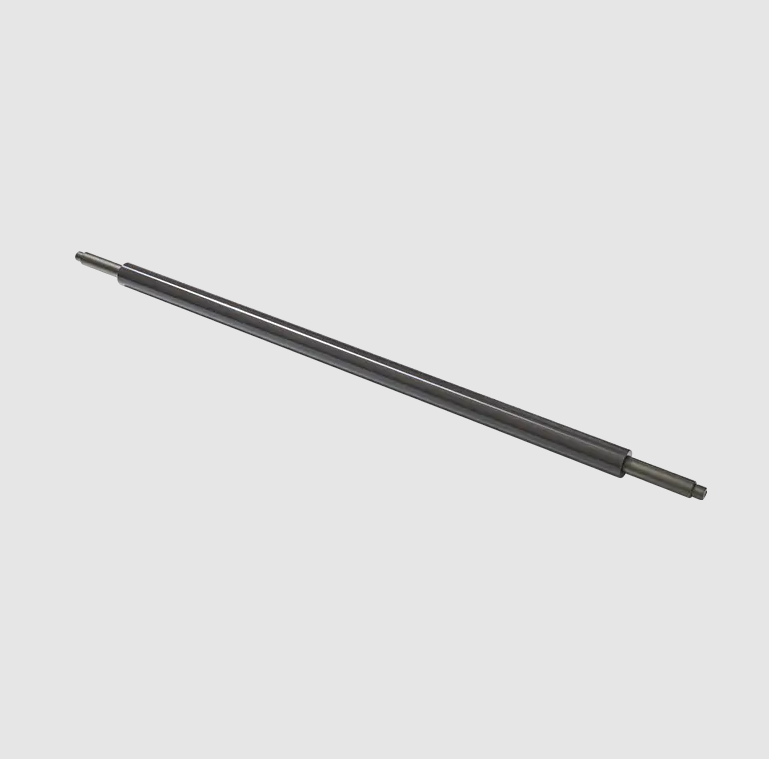
Introduction to Aluminum Guide Roller Load Performance
Aluminum Guide Rollers are commonly used in conveyor systems, material handling equipment, and industrial machinery due to their lightweight design, corrosion resistance, and ease of installation. A key performance factor is their load-bearing capacity and compressive strength. Understanding these characteristics is critical for selecting the right roller for a specific application, ensuring safe operation, and maximizing system lifespan. Both material properties and structural design directly influence how much load a roller can sustain before deformation or failure occurs.
Material Properties and Their Role in Strength
The inherent properties of aluminum alloys determine the roller’s ability to resist compression and support weight. Aluminum offers a favorable strength-to-weight ratio, meaning rollers can handle significant loads without excessive weight. The specific alloy, temper, and heat treatment process affect hardness, yield strength, and fatigue resistance. High-quality aluminum alloys provide better compressive strength, allowing the roller to support heavier loads without permanent deformation. Additionally, surface treatments such as anodizing or polishing can enhance wear resistance and reduce stress concentrations, indirectly improving load capacity.
Design Factors Affecting Load Capacity
The design of the aluminum guide roller plays a major role in its load-bearing ability. Key factors include diameter, wall thickness, roller length, and internal support structure. Larger diameters and thicker walls increase rigidity and distribute stress more evenly, improving both load capacity and resistance to bending. The presence of internal supports, reinforced hubs, or optimized end caps can further enhance compressive strength. Engineers often calculate maximum allowable loads based on these parameters to prevent overstressing and to maintain consistent performance in industrial applications.
Compressive Strength Under Operational Loads
When subjected to compressive forces, aluminum guide rollers exhibit elastic deformation initially. Within their elastic limit, the rollers return to their original shape after the load is removed. Exceeding the material’s yield strength leads to plastic deformation, compromising roller performance and potentially causing misalignment or failure. High-quality aluminum guide rollers are designed to operate well below the yield point under normal working conditions, providing a safety margin that ensures long-term reliability. Knowledge of the roller’s compressive strength is crucial when designing conveyor systems or mechanical setups that involve dynamic or static heavy loads.
Practical Applications and Considerations
Aluminum guide rollers are used in a variety of industries, including packaging, logistics, textiles, and automated manufacturing. Correctly selecting a roller with sufficient load capacity and compressive strength ensures smooth operation, prevents premature wear, and avoids damage to belts, chains, or other components. Additionally, proper installation and alignment are essential to maintain the designed load distribution and prevent stress concentrations. Operators should also consider factors such as temperature, chemical exposure, and maintenance practices, as these can affect the material’s strength and longevity over time.
The load-bearing capacity and compressive strength of aluminum guide rollers are determined by material properties, structural design, and operational conditions. High-quality aluminum alloys combined with optimized roller design allow for reliable performance under significant loads while maintaining durability and minimizing wear. Understanding these factors is essential for engineers and operators to select the right roller for specific applications, ensure safe and efficient operation, and extend the service life of industrial conveyor systems and material handling equipment. By accounting for both material and design considerations, aluminum guide rollers can provide long-term, dependable performance in a wide range of demanding environments.

 English
 Arabic
 French
 Spanish
 Portuguese
 Deutsch
 Turkish
 Dutch
Dutch
 Italiano
 Russian
 Romaian
 Greek
Greek
