


 Downloader
 Free FTP
Wellness For Life: Cardiovascular Sonography Care Tips
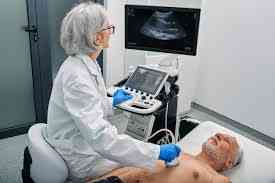
Cardiovascular Sonography plays a vital role in modern healthcare by helping clinicians detect, monitor, and manage heart and blood vessel conditions with accuracy and safety. This non-invasive imaging technology allows healthcare professionals to visualize the heart in motion, evaluate blood flow, and identify abnormalities early—often before symptoms become severe.
In this in-depth guide, we’ll explore essential care tips, patient considerations, professional best practices, and lifestyle factors connected to Cardiovascular Sonography. Whether you are a patient, student, or healthcare professional, understanding how to optimize this diagnostic tool can support better outcomes and long-term heart health.
## Understanding Cardiovascular Sonography and Its Importance
Cardiovascular Sonography is a specialized medical imaging technique that uses high-frequency sound waves to create real-time images of the heart, arteries, veins, and surrounding structures. Unlike imaging methods that rely on radiation, this technique is considered extremely safe and suitable for repeated use.
The importance of Cardiovascular Sonography lies in its ability to detect heart disease at an early stage. Conditions such as valve disorders, congenital heart defects, cardiomyopathy, and arterial blockages can be identified quickly. Early detection allows physicians to recommend timely treatment, reducing the risk of complications like heart attacks or strokes.
Another benefit of Cardiovascular Sonography is its versatility. It can be used in emergency situations, routine checkups, and long-term disease monitoring. Because it provides immediate results, doctors can make faster and more informed clinical decisions.
## Preparing Patients for a Cardiovascular Sonography Exam
Proper preparation is essential to ensure accurate results from Cardiovascular Sonography. Patients are often advised to follow specific instructions before their appointment, depending on the type of exam being performed.
For example, fasting may be required before certain vascular or cardiac studies to reduce interference from digestion. Patients should also wear comfortable clothing and avoid applying lotions or oils to the chest area, as these can affect image quality during Cardiovascular Sonography procedures.
Clear communication is another key aspect of preparation. When patients understand what to expect—such as the duration of the test and the sensations involved—they are more relaxed, which improves cooperation and image clarity. A calm patient experience directly enhances the effectiveness of Cardiovascular Sonography.
## The Role of Lifestyle in Heart Imaging Accuracy
Lifestyle habits can significantly influence heart health and imaging outcomes. In the context of Cardiovascular Sonography, factors such as hydration, physical activity, and stress levels may affect heart rate and blood flow during the exam.
Maintaining a heart-healthy lifestyle supports clearer imaging and more accurate assessments. Balanced nutrition, regular exercise, and stress management contribute to stable cardiovascular function, which is essential for precise diagnostic results. This approach aligns closely with Wellness For Life, emphasizing long-term habits that promote overall heart health rather than short-term fixes.
Patients who actively manage their lifestyle often benefit more from Cardiovascular Sonography, as consistent heart performance makes it easier to track changes over time and detect abnormalities early.
## Best Practices for Sonographers and Healthcare Professionals
For healthcare professionals, maintaining high standards in Cardiovascular Sonography is critical. Proper equipment calibration, ongoing training, and adherence to clinical protocols ensure reliable and reproducible results.
Sonographers should stay updated with the latest advancements in Cardiovascular Sonography technology, including Doppler techniques and 3D imaging. Continuous education allows professionals to improve diagnostic accuracy and adapt to evolving clinical guidelines.
Equally important is patient interaction. A skilled sonographer not only captures high-quality images but also reassures patients throughout the procedure. This combination of technical expertise and compassionate care elevates the overall value of Cardiovascular Sonography in clinical practice.
## Common Conditions Diagnosed Through Cardiovascular Sonography
Cardiovascular Sonography is widely used to diagnose a range of heart and vascular conditions. These include coronary artery disease, heart valve abnormalities, aneurysms, and blood clots.
Through detailed imaging, Cardiovascular Sonography helps identify restricted blood flow, abnormal heart chamber sizes, and weakened heart muscles. This information is essential for developing targeted treatment plans and monitoring disease progression.
Because Cardiovascular Sonography can be repeated safely, it is ideal for tracking chronic conditions. Physicians rely on follow-up scans to evaluate treatment effectiveness and make adjustments as needed, improving patient outcomes over time.
## Post-Examination Care and Follow-Up Guidance
After undergoing Cardiovascular Sonography, patients typically resume normal activities immediately. However, understanding the results and next steps is a crucial part of post-exam care.
Healthcare providers should clearly explain findings from Cardiovascular Sonography, including whether additional tests or lifestyle changes are recommended. Transparent communication empowers patients to take an active role in their heart health.
Follow-up appointments may be scheduled to monitor changes detected during Cardiovascular Sonography. Consistent monitoring helps prevent minor issues from developing into serious cardiovascular conditions.
## Technological Advancements in Cardiovascular Sonography
Advancements in imaging technology continue to enhance Cardiovascular Sonography. Innovations such as portable ultrasound devices, AI-assisted image analysis, and enhanced Doppler imaging have improved both accessibility and diagnostic precision.
Modern Cardiovascular Sonography systems provide clearer images, faster processing, and improved patient comfort. These developments allow healthcare providers to deliver more efficient and accurate care across diverse clinical settings.
As technology evolves, Cardiovascular Sonography is becoming even more integral to preventive cardiology, enabling earlier detection and more personalized treatment strategies.
## Long-Term Heart Health and Preventive Care Strategies
Preventive care is the cornerstone of long-term heart health, and Cardiovascular Sonography plays a key role in this approach. Regular imaging allows clinicians to identify risk factors before symptoms arise.
By incorporating Cardiovascular Sonography into routine health assessments, individuals can gain valuable insights into their cardiovascular status. This proactive strategy supports early intervention and reduces the likelihood of severe cardiac events.
Ultimately, combining preventive lifestyle choices with regular Cardiovascular Sonography assessments creates a comprehensive framework for protecting heart health and ensuring a higher quality of life.
Conclusion
Cardiovascular Sonography is more than just a diagnostic tool—it is a powerful ally in the journey toward better heart health. From accurate diagnosis and patient preparation to technological advancements and preventive care, its impact spans every stage of cardiovascular management.
By understanding care tips and best practices, patients and healthcare professionals alike can maximize the benefits of Cardiovascular Sonography, supporting early detection, effective treatment, and lasting cardiovascular wellness.

 English
 Arabic
 French
 Spanish
 Deutsch
 Turkish
 Dutch
Dutch
 Italiano
 Russian
 Romaian
 Portuguese (Brazil)
 Greek
Greek
