


 Downloader
 Free FTP
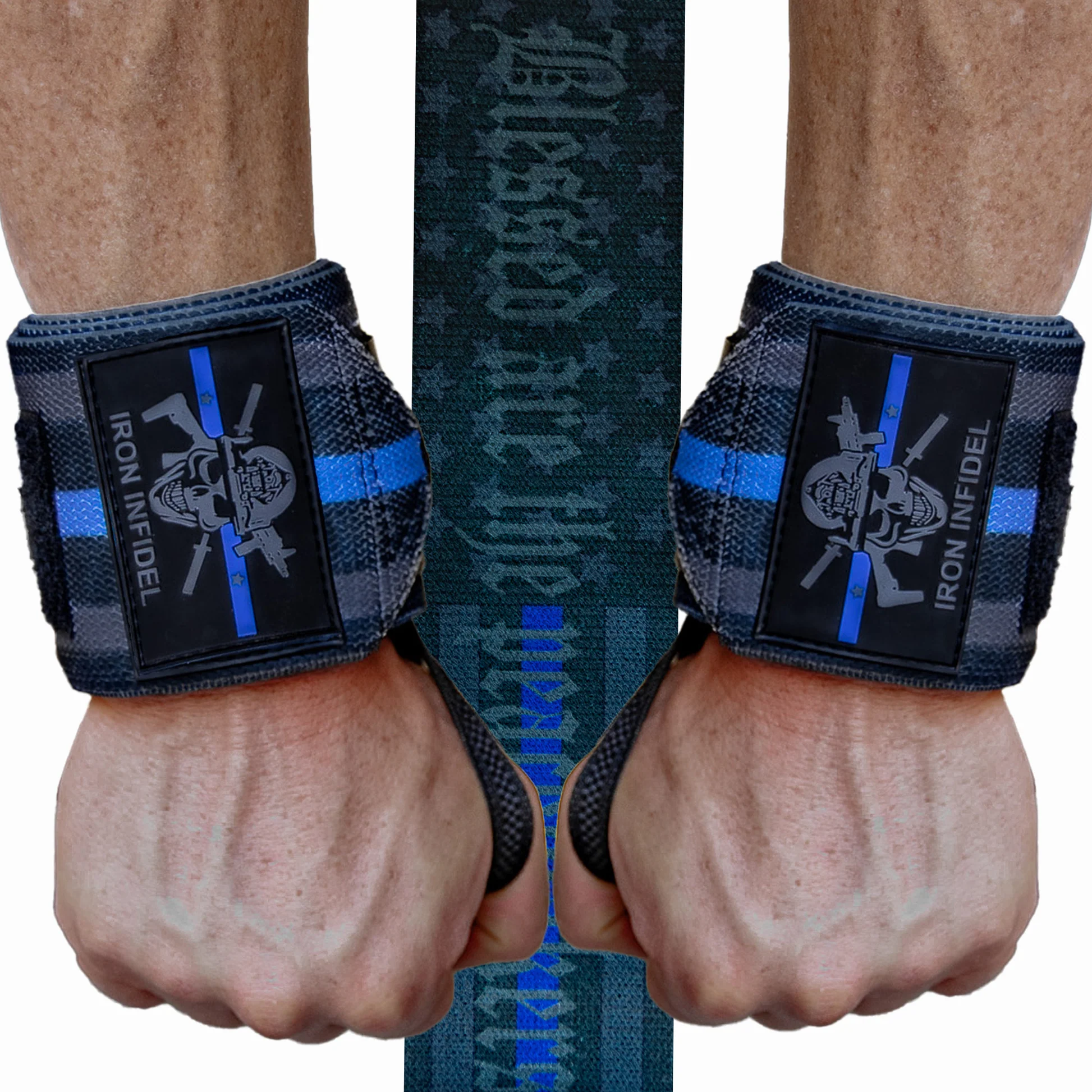
Heavy lifting places intense demands on the wrists, especially during pressing, pulling, and overhead movements. Whether you train for strength, muscle growth, or athletic performance, protecting your joints is critical for long-term progress. This is where Wrist Wraps come into play. Designed to stabilize the wrist joint and improve force transfer, they are a simple yet powerful tool for safer and stronger workouts.
In this guide, we’ll explore how Wrist Wraps work, who should use them, and how to choose and apply them correctly—so you can lift with confidence and consistency.
Understanding Wrist Support in Strength Training
The wrist is a small but complex joint that often becomes a weak link during heavy lifts. Exercises like bench presses, squats, overhead presses, and Olympic lifts place the wrist in extended positions under load. Without adequate support, this can lead to strain, discomfort, or even chronic injury.
Wrist Wraps are designed to limit excessive wrist extension while still allowing enough mobility for natural movement. By compressing and stabilizing the joint, they help maintain proper alignment between the forearm and hand. This alignment reduces stress on tendons and ligaments, allowing lifters to focus on technique and power output rather than joint pain.
Another key benefit of Wrist Wraps is improved confidence. When you feel secure under the bar, you’re more likely to lift heavier and train more effectively. Over time, this confidence can translate into better performance and reduced risk of setbacks.
How Wrist Wraps Enhance Performance and Safety
Performance and safety go hand in hand in any strength program. When wrists are unstable, force leaks occur—meaning not all your strength transfers efficiently into the lift. Wrist Wraps help create a firm base, allowing the muscles of the arms, shoulders, and chest to work more effectively.
From a safety perspective, Wrist Wraps reduce the likelihood of overextension and sudden joint collapse. This is especially important during maximal or near-maximal attempts, where even slight deviations in form can cause injury. Lifters recovering from minor wrist discomfort often find that wraps allow them to continue training while managing stress on the joint.
Importantly, Wrist Wraps are not about masking poor technique. Instead, they act as reinforcement, supporting good form while you build strength. Used correctly, they can be a valuable part of a responsible, progressive training approach.
Who Should Use Wrist Wraps and When to Wear Them
Not every exercise requires wrist support, and not every lifter needs wraps all the time. Wrist Wraps are most beneficial for individuals who regularly lift heavy weights or perform movements that heavily load the wrists.
Powerlifters, bodybuilders, CrossFit athletes, and strongman competitors commonly rely on wraps during pressing movements and heavy squats. Beginners may also benefit from Wrist Wraps when learning proper bar positioning, especially if wrist mobility is limited. However, it’s still important to train wrist strength and flexibility alongside supportive gear.
In the broader context of Health And Wellness, supportive equipment like wraps should complement—not replace—balanced training, mobility work, and recovery. Wearing Wrist Wraps during top sets or heavy sessions, then removing them for lighter work, helps maintain natural joint function while still offering protection when it matters most.
Different Types of Wrist Wraps Explained
Not all Wrist Wraps are created equal. Understanding the main types will help you choose the right level of support for your training style.
Elastic wraps are the most common. They provide moderate support with some stretch, making them ideal for general strength training and bodybuilding. These Wrist Wraps allow enough flexibility for comfort while still limiting extreme extension.
Stiffer, competition-style wraps offer maximum support with minimal stretch. Powerlifters often prefer these Wrist Wraps for heavy bench presses and squats, as they create a very rigid wrist position. However, they can feel restrictive for beginners.
Thumb-loop wraps are another popular option. The loop helps secure the wrap during application, ensuring consistent placement. Once wrapped, the loop can be removed to avoid interference during lifts. Choosing the right type of Wrist Wraps depends on your experience level, lifting goals, and personal comfort.
Proper Technique for Wearing Wrist Wraps
Correct application is essential to get the most benefit from Wrist Wraps. Poorly wrapped wrists can feel uncomfortable and may even reduce effectiveness.
Start by placing the wrap just below the wrist joint, overlapping slightly onto the hand depending on your comfort and the exercise. Wrap firmly but not so tight that circulation is restricted. The goal is stability, not numbness. Most Wrist Wraps should feel supportive when your wrist is extended, yet comfortable at rest.
During pressing movements, many lifters prefer a tighter wrap for added rigidity. For pulling exercises, a slightly looser application may feel more natural. With practice, you’ll learn how to adjust Wrist Wraps for different lifts and training intensities, ensuring consistent support without discomfort.
Common Mistakes to Avoid When Using Wrist Wraps
One common mistake is wearing Wrist Wraps for every exercise, regardless of load. Overreliance can limit natural wrist strength development. It’s best to reserve wraps for heavier sets or movements that truly stress the joint.
Another issue is wrapping too tightly. Excessive compression can reduce blood flow and cause discomfort or tingling. Wrist Wraps should feel snug and supportive, not painful. Always check circulation after wrapping.
Finally, some lifters neglect wrist mobility altogether. Even with Wrist Wraps, flexibility and strength training for the wrists are important. Incorporating mobility drills ensures that wraps remain a helpful aid rather than a crutch.
Caring for and Maintaining Your Wrist Wraps
Quality Wrist Wraps can last a long time if properly maintained. After workouts, allow them to air dry to prevent odor and material breakdown. If machine washing is necessary, use a gentle cycle and avoid high heat.
Regularly inspect your Wrist Wraps for signs of wear, such as fraying or loss of elasticity. Worn-out wraps provide less support and may compromise safety. Replacing them when needed ensures consistent performance and protection.
Storing Wrist Wraps in a clean, dry place also helps maintain their shape and durability. With proper care, they remain a reliable part of your lifting gear for years.
Choosing the Best Wrist Wraps for Your Training Goals
Selecting the right Wrist Wraps comes down to your training style and priorities. If you value versatility and comfort, elastic wraps are a solid choice. For maximum support during heavy lifts, stiffer wraps may be more appropriate.
Consider wrap length as well. Shorter Wrist Wraps are quicker to apply and less bulky, while longer ones provide more customizable support. Trying different styles can help you find the perfect balance between stability and mobility.
Ultimately, Wrist Wraps are an investment in safer, more effective training. When chosen thoughtfully and used correctly, they support consistent progress and help protect one of the most vulnerable joints in heavy lifting—keeping you strong, confident, and ready for the next challenge.

 English
 Arabic
 French
 Spanish
 Portuguese
 Turkish
 Dutch
Dutch
 Italiano
 Russian
 Romaian
 Portuguese (Brazil)
 Greek
Greek
