


 Downloader
 Free FTP
Plumbing Cost Estimate Guide: Know What You’ll Pay Before the Job
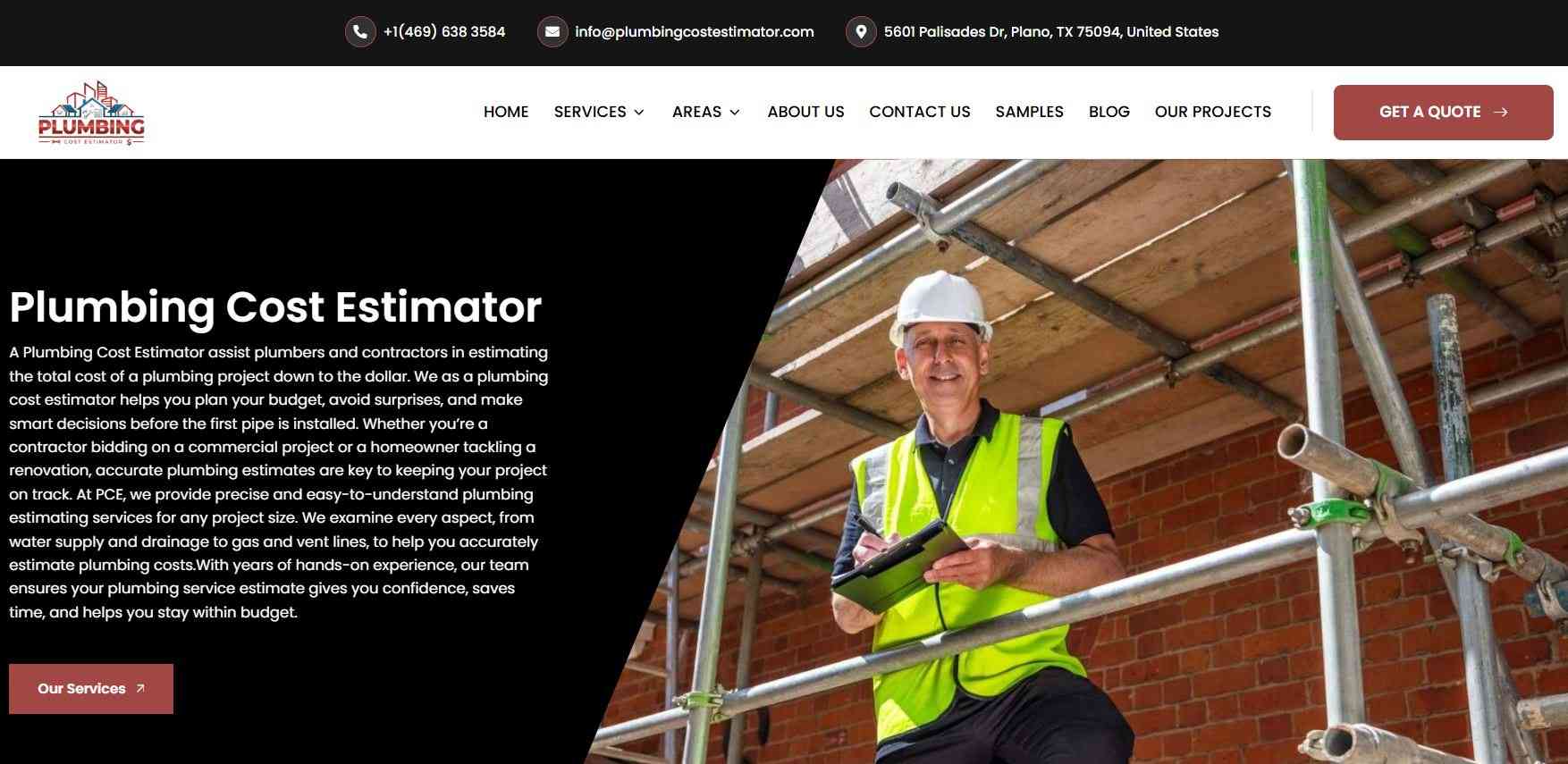
Plumbing problems are among the most common issues homeowners face, from leaky faucets to broken pipes. One of the most stressful parts of plumbing repairs or installations is the cost, especially when you don’t know what to expect. This guide will help you understand plumbing cost estimates, what affects them, and how to prepare financially for your next plumbing project.
Why Getting a Plumbing Cost Estimate is Important
Many homeowners underestimate the cost of plumbing services until the bill arrives. By getting a plumbing cost estimate, you can:
-
Plan Your Budget: Knowing the cost upfront prevents financial surprises.
-
Compare Quotes: You can evaluate different plumbers to find the best value.
-
Avoid Overcharging: A detailed estimate ensures transparency and protects against hidden fees.
-
Prioritize Repairs: Understanding costs helps you decide which repairs or upgrades to tackle first.
A plumbing cost estimate provides a breakdown of labor, materials, and additional charges. This breakdown allows you to make informed decisions about your plumbing project.
Factors That Affect Plumbing Costs
The total cost of plumbing work depends on multiple factors. Being aware of these can help you understand why estimates vary.
1. Type of Plumbing Job
The complexity of the job has the most significant impact on cost:
-
Minor Repairs: Fixing leaks, unclogging drains, or replacing faucets usually costs less.
-
Major Repairs: Pipe replacements, water heater repairs, or sewer line issues are more expensive due to labor and materials.
-
New Installations: Installing sinks, toilets, or full plumbing systems requires extensive labor, making it costlier.
2. Materials and Fixtures
The quality of materials can drastically affect your plumbing bill:
-
Standard Fixtures: Basic faucets, sinks, and toilets are budget-friendly.
-
Premium Fixtures: High-end or designer fixtures increase costs.
-
Pipes and Fittings: Copper pipes are more expensive than PVC or PEX, but they are more durable.
3. Labor Costs
Labor is another key factor. Most plumbers charge:
-
Hourly Rate: Usually ranges from $45 to $200 per hour, depending on location and experience.
-
Flat Rate: Some projects, like installing a water heater, may have a fixed cost.
Emergency services often incur higher labor costs, especially during nights or weekends.
4. Location
Plumbing costs can vary by region. Urban areas tend to have higher rates due to living costs and demand. Rural areas may charge less, but availability of skilled plumbers may affect timing and convenience.
5. Accessibility
If the plumbing is hard to reach—behind walls, under floors, or in crawlspaces—the labor costs will increase. Difficult access can also extend the project timeline.
Common Plumbing Projects and Their Average Costs
Having a general idea of costs for typical plumbing projects can help you anticipate expenses. Here’s a rough guide:
| Project | Average Cost |
|---|---|
| Fixing a Leaky Faucet | $100 - $200 |
| Toilet Repair or Replacement | $150 - $450 |
| Shower Installation | $800 - $1,500 |
| Water Heater Installation | $800 - $2,500 |
| Pipe Replacement | $1,000 - $4,000 |
| Drain Cleaning | $100 - $300 |
| Sewer Line Repair | $3,000 - $7,000 |
Remember, these are average ranges. Costs can vary based on your location, type of fixtures, and complexity of the job.
How to Get an Accurate Plumbing Cost Estimate
To ensure your estimate is as accurate as possible, follow these steps:
1. Describe the Problem in Detail
Provide your plumber with all necessary information, including:
-
What is broken or needs repair?
-
How long has the issue been occurring?
-
Any previous repairs or attempts to fix it?
Clear communication helps plumbers assess the scope of work more accurately.
2. Ask for a Written Estimate
Always request a written estimate. It should include:
-
Labor charges
-
Material costs
-
Taxes and permits (if applicable)
-
Estimated completion time
A written estimate protects you from hidden fees and ensures both parties agree on the work.
3. Compare Multiple Estimates
Don’t settle for the first plumber. Get at least 2-3 estimates to:
-
Compare prices
-
Check service guarantees
-
Evaluate professionalism and reliability
Sometimes paying a slightly higher price is worth it for experienced, trustworthy plumbers.
4. Check for Extra Fees
Ask about potential additional charges, such as:
-
Emergency service fees
-
Disposal fees for old fixtures
-
Hidden charges for difficult access or unexpected repairs
Being aware of possible extra costs helps you budget realistically.
Tips to Save on Plumbing Costs
Plumbing repairs can be expensive, but there are ways to save money without compromising quality:
1. Schedule Regular Maintenance
Preventative maintenance, like checking for leaks and cleaning drains, reduces the likelihood of major repairs.
2. Choose Standard Fixtures
High-quality standard fixtures often offer durability without the high cost of premium brands.
3. Combine Jobs
If you have multiple plumbing needs, try to schedule them together. Combining jobs reduces labor charges.
4. Understand DIY Limits
Some small repairs, like unclogging a sink or fixing a running toilet, can be done yourself. But attempting major repairs without professional help can increase costs if mistakes occur.
How Online Plumbing Cost Estimators Help
Many homeowners use online plumbing cost calculators to get a rough estimate. These tools are helpful because they:
-
Give instant cost approximations
-
Factor in location, labor rates, and type of repair
-
Help you plan your budget before calling a plumber
For example, PlumbingCostEstimator.com provides a free tool to calculate likely costs based on your specific plumbing issue.
Final Thoughts
A plumbing project can be stressful, but knowing the cost in advance helps you stay prepared. By understanding factors that affect plumbing costs, comparing estimates, and using online calculators, you can make informed decisions and avoid financial surprises.
Whether it’s a minor leak or a major pipe replacement, a detailed plumbing cost estimate is the first step toward a hassle-free repair. With proper planning, you’ll not only save money but also ensure your plumbing system works efficiently for years to come.

 English
 Arabic
 French
 Spanish
 Deutsch
 Turkish
 Dutch
Dutch
 Italiano
 Russian
 Romaian
 Portuguese (Brazil)
 Greek
Greek
